Month-by-Month Pregnancy & Postpartum Guide
3 Months Postpartum
Building confidence—one feed at a time.
By 3 months postpartum, many parents begin to feel more settled into daily routines, even as new changes continue to unfold. Your body is still recovering, your baby is growing and becoming more interactive, and feeding and sleep patterns may continue to shift. You may also be preparing to return to work or adjusting to changes in caregiving routines.
As babies continue to rapidly develop, they may want to feed more frequently, while others become briefly distracted at the breast or bottle. These behaviors are a normal part of development and often ease as your baby adjusts to these new skills.
How’s Breastfeeding or Pumping Going?

Around three months postpartum, many parents notice a shift in how breastfeeding feels. Your milk supply has largely been regulated, meaning your body is now making milk based on demand rather than storing extra “just in case.” Breasts may feel softer, and leaking may decrease—both signs that your supply is working efficiently, not that it’s declining. Your baby is also more awake, curious, and often faster at feeding. Shorter or more distracted feeds are common at this stage, especially as babies become more aware of their surroundings. Feeding patterns may look different than they did in the early weeks, but frequent or efficient feeding can still fully meet your baby’s needs.
This is a good time to:
-
Re-measure your nipple size before ordering replacement parts
-
Refine your pump schedule to match your daily routine and/or upcoming work schedule
-
Maintain a small, functional milk stash
-
Support flexible feeding as your baby’s needs evolve
What’s Your Body Doing at 3 Months Postpartum?

Around 3 months postpartum, your body is still healing and adjusting, even if things feel more settled day to day.
-
Menstrual cycles or ovulation may return for some, while others—particularly those breastfeeding—may not see a period yet. Fertility can return before menstruation, so talk to your healthcare provider about some form of birth control.
-
Milk supply often regulates, leading to softer breasts and less leaking; this is normal and not a sign of low supply.
-
Pelvic floor and core muscles are still recovering; leaking, pressure, or weakness may become more noticeable as activity increases.
-
Ongoing sleep disruption can lead to cumulative fatigue. Try to nap during one of your baby's naps.
-
Mood changes, anxiety, or depression may emerge or worsen as support decreases—reach out to your healthcare provider.
Notice your baby noticing you?
Baby’s vision and hearing are steadily improving, and they may be able to recognize and smile at you from across the room by now!
What’s Your Baby Doing at 3 Months Old?

At 3 months old, your baby is becoming more alert, expressive, and engaged with the world around them. You may notice longer periods of wakefulness, more purposeful movements, and increased social interaction. This stage brings exciting developmental changes, along with common shifts in sleep and feeding as your baby practices new skills.
With a 3-month-old, focus on interactive play like tummy time, singing, reading, and simple games such as peek-a-boo. Use high-contrast toys and mirrors for visual stimulation, narrate your day to support language development, and encourage reaching and grasping with toys. Outdoor strolls and gentle sensory experiences, including different textures or massage, can also support physical and cognitive growth. Baby carriers are great tools for this stage!
Common milestones and behaviors around 3 months include:
-
Smiling responsively and enjoying face-to-face interaction
-
Cooing, babbling, and making new sounds
-
Improved head and neck control
-
Bringing hands to mouth and exploring them
-
Tracking objects and people with their eyes
-
Kicking and stretching with more intention
-
Beginning to settle into slightly longer stretches of sleep (night waking remains normal)
Things to Do During Month 3 Postpartum
1. Attend your last postpartum checkup
- You will likely be asked to complete a screening for perinatal mood and anxiety disorders (PMADs).
2. Schedule routine and recovery care visits
- Schedule a well visit with your primary care provider sometime within the first year.
-
Monitor for symptoms such as leaking, pelvic pressure, pain with activity, or core weakness. Make an appointment with a pelvic floor physical therapist if you are experiencing any of these symptoms. You may need to ask your healthcare provider for a referral.
3. If you’re returning to work, prepare for time away from baby
- Think about what you’ll need in order to pump when you’re away from your baby.
- It's important to note that both state and federal laws protect breastfeeding employees who will be pumping and returning to work.
4. Take a Babywearing & Breastfeeding class
-
Learn about the types of carriers and benefits of babywearing.
5. Continue prioritizing regular, balanced meals and snacks
- Adjust your calorie intake as activity increases or routines change.
- Focus on iron-rich foods, protein, and healthy fats to support stamina and tissue repair.
- Maintain hydration, especially with increased activity or pumping.
We created a handy, downloadable checklist that includes the key things to do or think about this month. Simply download, save it on your phone, and bring it up whenever you need a reminder!
Wrap-Up

At 3 months postpartum, things may feel more routine, but both you and your baby are still adjusting. Feeding, sleep, and your body’s recovery continue to change, even if it looks different than the early weeks. Focus on meeting your baby’s needs, supporting your own healing, and adapting as new patterns emerge.
FAQs
What kind of exercise is safe to start at 3 months postpartum?
By three months, many parents can begin gentle, low-impact activity if cleared by their healthcare provider. Safe options include walking, light strength training, core and pelvic floor exercises, yoga, Pilates, swimming, or low-impact cardio. Focus on gradual progression, listening to your body, and stopping if you notice pain, pelvic pressure, or fatigue.
What are some signs that recovery is not progressing normally at 3 months postpartum?
While healing continues, some symptoms may need evaluation, including persistent pelvic or abdominal pain, heavy or increasing bleeding, urinary or bowel incontinence, pelvic pressure, pain with intercourse, severe fatigue, or emotional distress. If something feels “off,” contact your healthcare provider.
Where can I find encouragement or support from others who are 3 months postpartum?
Support is available through local parent groups, postpartum classes, lactation or feeding groups, and online communities. Connect with other moms and our knowledgeable lactation providers in our Pumping Room Facebook group. Postpartum Support International (PSI) also offers 50+ free virtual groups for emotional wellness, feeding, and return-to-work support. Connecting with others at the same stage can help reduce isolation.
Are there common issues with heart rate or cardiovascular health at 3 months postpartum?
Most people do not experience major cardiovascular changes by 3 months postpartum, but reduced sleep, stress, and deconditioning can affect energy and exercise tolerance. Symptoms such as persistent palpitations, chest pain, shortness of breath, dizziness, or fainting are not typical and should be evaluated urgently.
What hormonal changes happen around 3 months postpartum?
Hormone levels continue adjusting at three months. Prolactin stays elevated for breastfeeding parents, while estrogen and progesterone remain low, affecting energy, mood, joint stability, and vaginal health. Menstruation may return for some but remain absent for others. These shifts continue to influence recovery throughout the first year postpartum.
Helpful Resources

Babywearing & Breastfeeding Class
Interested in nursing while wearing your baby? This class covers the benefits of babywearing, demos different carriers and safety guidelines, and offers nursing tips.

Pumping and Returning to Work Care Guide
Head back to work prepared with our lactation consultants’ guide to employer talks, pump selection, and childcare routines.
Mother Pumper Program
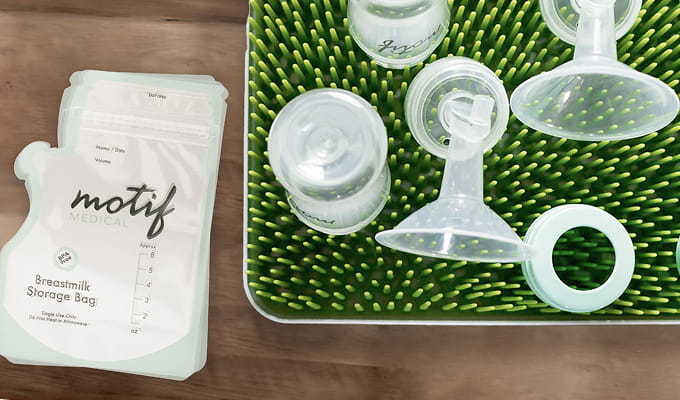
Insurance-covered milk storage bags and pump replacement parts can be delivered right to your door through our Mother Pumper Program. Even if you didn’t get your pump from us, you may still qualify!
Qualify for Motherhood Essentials through Insurance
You can qualify for a breast pump at any time during pregnancy and up to one-year postpartum. See if you qualify for a pump, pregnancy & breastfeeding classes, milk storage bags and more through your insurance or log in to check on your account details.