Month-by-Month Pregnancy & Postpartum Guide
9 Months Pregnant
Weeks 36–40 - Third Trimester
It’s almost baby time!
Welcome to the final month of pregnancy—you are in the home stretch! Once you arrive at this final month, you may be feeling very ready to meet your baby, however, baby is not considered full term until you reach 39 weeks of pregnancy.
-
Before 37 weeks: your baby is considered preterm
-
Weeks 37-38 and 6 days: your baby is considered “early term”
-
Weeks 39-40 and 6 days: your baby is considered “full term.” Babies typically transition to extrauterine life best when born after 39 weeks gestation.
-
Week 41: your baby is considered “late term”
-
Week 42+: your baby is considered “postterm”
Maybe put something fun on the calendar after your due date—a prenatal massage or lunch with a friend. That way, if your due date comes and goes, you still will have another date to look forward to!
Try to be patient and remind yourself that these final weeks are still a time of important fetal development. Baby continues gaining fat and weight steadily during these weeks! Your baby’s organs are mature but continue refining function. In particular, your baby's lungs are maturing and preparing for birth and their first breath. Around week 36, your baby's head may begin to move down into your pelvic area—this movement is called lightening and can relieve some of those pregnancy symptoms that are common during this trimester of pregnancy.
What’s Your Body Doing at 9 Months Pregnant?
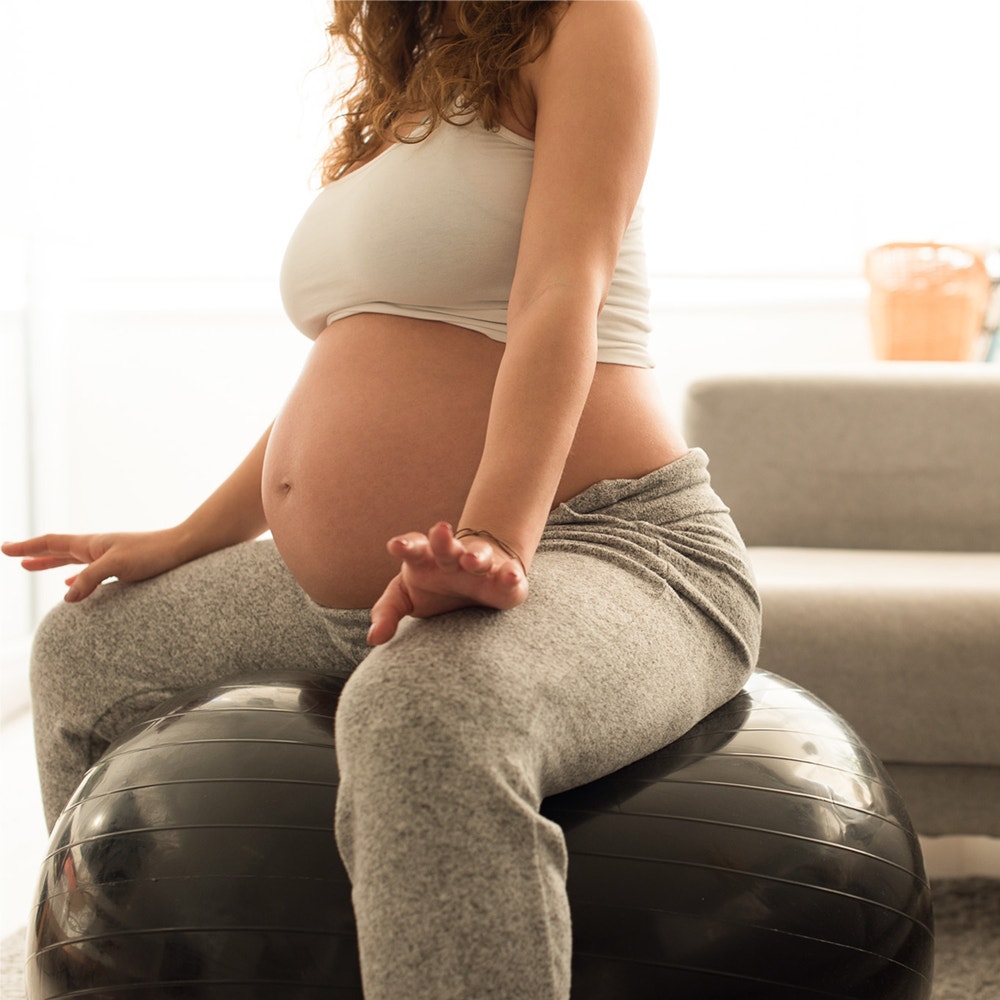
At 9 months pregnant (the end of your 3rd trimester), your body is making the final preparations for labor and the birth of your baby. Your growing uterus is reaching its maximum capacity at this stage of pregnancy—spanning from your pubic bone to likely the bottom of your ribcage!
Wondering what your body is doing during these weeks? Here are some physical changes that you may notice:
-
Weight gain of about ½–1 lb per week during the third trimester—by the end of your pregnancy you will likely have gained a total of around 25–35 lbs.
-
Baby drops lower into your pelvis (“lightening”)—most babies are head down by now, but there is still time to flip if baby is in a breech position.
-
You may feel more pelvic pressure and cramping.
-
Vaginal bleeding—some light bleeding could be an early sign of labor (losing your mucus plug) but could also be a sign of complications. It’s best to contact your healthcare provider as soon as you notice any bleeding.
-
Breast enlargement—breasts may have grown by as much as 2 pounds by the end of your pregnancy.
-
Breasts may continue to or begin leaking colostrum (note that not leaking is also normal during pregnancy).
-
By the end of month 9, your cervix may begin to soften, thin, or open—a process known as ripening, dilation, and effacement.
Leave Room in Your Hospital Bag
Many hospitals expect you to take home the supplies from your room—like diapers, recovery items, even the water bottle. Leave a little room for these items or pack a small collapsible tote to carry everything home.
How You Might be Feeling at 9 Months Pregnant

As you anticipate the coming birth of your baby, you may also be experiencing a wide range of emotions! You may be extremely excited and also nervous with anticipation. You may feel an intense desire to prepare your living space for your little one's arrival. It is important to keep safety at the forefront when these urges come on and to remind yourself not to overdo things.
As noted, your body is still undergoing changes during these final weeks. Here is a list of some of the common symptoms you may be experiencing at 9 months pregnant related to those physical changes:
-
Difficulty sleeping
-
Vivid dreams
-
Fatigue
-
Frequent urge to urinate
-
Heartburn, constipation, and/or hemorrhoids
-
Sciatica - nerve pain that starts in the lower back/hip, and radiates down one leg
-
Low back pain
-
Shortness of breath
Things to Do in Month 9 of Pregnancy
1. Keep an eye out for labor and continue to monitor baby’s movements
- Know the signs that labor is starting.
2. Attend weekly prenatal visits until the birth of your baby
- Test for Group B streptococcus between weeks 36 and 38.
- It is possible that cervical checks and nonstress tests will be offered to you or recommended.
3. Get ready for birth and to meet your baby!
- Finalize your birth plan and pack your hospital bag, if you have not already done so. Don’t forget to take a goodie bag of all the items given to you at your birth facility, including those diapers!
- Keep your provider's contact information handy—have their phone number programmed into your phone.
- Confirm the route to your birth facility—it may even be helpful to do a trial run before you are in active labor.
- Practice the relaxation techniques you will use in labor with your partner or support partner (breath work, movement, and don't forget that massage!)
- Discuss and decide on newborn procedures that will be offered in the first 24 hours after birth—things like Vitamin K, antibiotic eye ointment, and vaccinations.
- Make sure the car seat is ready to go and installed correctly!
4. Take a breastfeeding or pumping class
- Or meet with a lactation consultant one-on-one before baby arrives to start your breastfeeding experience with confidence.
5. Try to batch cook and keep meals simple
- Eat small, frequent meals to aid in digestion and limit discomfort.
- Try to double what you make to stock your freezer with foods that can be reheated easily in the oven or microwave—think chili, casseroles, lasagnas.
6. Stay hydrated and try to rest when you can
We created a handy, downloadable checklist that includes the key things to do or think about this month. Simply download, save it on your phone, and bring it up whenever you need a reminder!
Wrap-Up

You have arrived at the finish line of your pregnancy journey! Or maybe, more appropriately, the starting line of your parenting and breastfeeding journeys! These final weeks of pregnancy can be so exhilarating. They are filled with the continued growth of you and your baby and the anticipation of the big day when you two get to meet face-to-face and skin-to-skin for the first time. For some, these weeks may seem to drag on as you count down the days to your due date. Remember that this date is just an estimation, and that every day that your baby is growing inside of you, they are gaining strength to thrive in life outside of the womb.
FAQs
How many weeks is nine months pregnant?
9 months pregnant is 36-40 weeks of pregnancy, part of the third trimester.
What are the common symptoms when you are 9 months pregnant?
Common symptoms at 9 months pregnant include fatigue, difficulty sleeping, vivid dreams, frequent urination, heartburn, constipation, hemorrhoids, sciatica, back pain, shortness of breath, and nesting urges.
What changes can I expect in my body during the last month of pregnancy?
Your body is still growing during the last month of pregnancy! You can expect continued weight gain, in general about 1/2 to 1 pound per week. Your uterus continues to expand up and out to house your growing baby. The top portion of your uterus, your fundus, is likely stretching to the bottom of your ribs by the end of your pregnancy. You may notice, however, that your abdomen feels lower after 36 weeks or so, once you experience lightening (baby dropping lower into your pelvis). This phenomena may relieve some discomfort including shortness of breath and reflux. You may also start to see some of your first milk (colostrum) leaking from your breasts. That along with breast changes are a good indicator that your body is already preparing for the breastfeeding journey ahead!
What are the signs that labor might be starting at 9 months pregnant?
Some signs that labor might be starting include an increase in the frequency or intensity of contractions, losing your mucus plug ("bloody show"), diarrhea, increased pelvic pressure, and water breaking. Note that any of these signs before 37 weeks is considered preterm labor and it would be important to reach out to your healthcare provider.
Are there important medical check-ups or tests in the ninth month of pregnancy?
There are important prenatal check-ups and tests to consider! After 36 weeks, you will likely be attending weekly prenatal appointments until the birth of your baby. During these appointments your provider will continue to assess your health as well as the health of your baby. Your provider will do so by checking your blood pressure, weight, and a urine sample. To assess your baby, your provider will measure your fundal height as well as listen to the baby's heart rate with a doppler. It is likely that you will be checked for Group B Streptococcus around the 36th week during a prenatal appointment. This is a common bacteria that can be present in the vagina or rectum that has been linked to an increased risk for the baby when passing through the birth canal. During the 36 week visit your provider may also offer a cervical exam. In high-risk pregnancies, Nonstress Tests (NSTs) may also be part of your care plan.
Which foods should I eat or avoid during my ninth month of pregnancy?
During the ninth month of pregnancy you should continue to eat foods that are high in fiber, iron, and vitamin C. Fiber will aid in digestion while iron will help to prevent anemia, which can be common during pregnancy. Consuming vitamin C rich foods with iron will help to aid in iron absorption. Foods to avoid include deli meats, unpasteurized cheeses, raw or undercooked meats and seafood, fish high in mercury, alcohol, and excessive amounts of caffeine.
What are safe exercises to do at 9 months pregnant?
Safe exercises to partake in during the final weeks of pregnancy include walking, stretching, swimming (as long as your amniotic sac is intact), prenatal yoga, pelvic floor exercises, and light strength training such as squats. Avoid high intensity exercises or dangerous activities.
Helpful Resources

Making a Breastfeeding Plan for the Hospital Care Guide
Go into your breastfeeding experience with confidence from day one with guidance from our lactation consultants on how to establish a breastfeeding plan for the hospital.
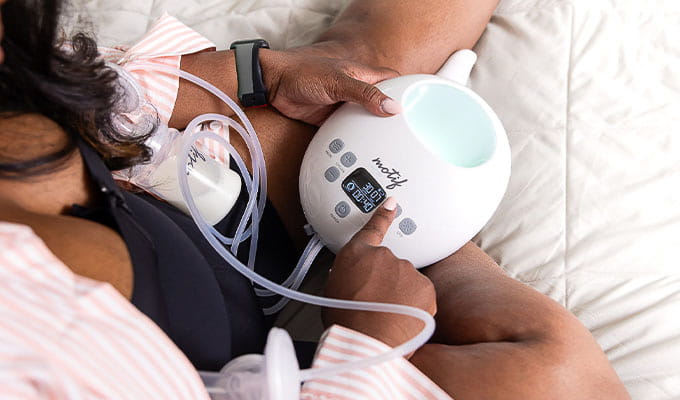
Pumping 101 Class
Learn all the pumping basics, including how to assemble and use your pump, store & handle milk safely, and build practical pumping routines.

Pumping Room Facebook Group
Connect with other moms and our knowledgeable lactation providers in our Pumping Room Facebook group.
Qualify for Motherhood Essentials through Insurance
You can qualify for a breast pump at any time during pregnancy and up to one-year postpartum. See if you qualify for a pump, pregnancy & breastfeeding classes, milk storage bags and more through your insurance or log in to check on your account details.