Month-by-Month Pregnancy & Postpartum Guide
2 Months Pregnant
Weeks 5–8 - First Trimester
Signs of pregnancy begin!
Many women realize that they’re pregnant around week 5—this could be due to a missed period or other pregnancy-related symptoms. What are those symptoms? Well, you may begin to experience nausea, breast changes, fatigue, or bloating at this stage of pregnancy.
This is also an exciting month for your baby. Their major organs are beginning to develop—brain, spinal cord, heart, liver—as well as arms, legs, and ears. Your baby's heartbeat also starts around week 6 of pregnancy! An embryo may be visible on an ultrasound as early as 6 weeks. This little embryo will continue developing and will become a fetus around the 8th week of pregnancy.
What’s Your Body Doing at 2 Months Pregnant?

A lot of growth is taking place during the second month of pregnancy!
-
Your body is supporting the development of baby’s major organs as well as the placenta (nourishing your growing fetus), amniotic sac (safe space where baby is growing and moving around), and the umbilical cord (supplying baby with blood, oxygen, and nutrients).
-
Pregnancy hormones are still on the rise—progesterone, hCG (which is responsible for triggering a positive pregnancy test), and estrogen. These hormonal changes contribute to common pregnancy symptoms which many women experience during month two of pregnancy.
-
Some weight gain during the first trimester is normal, though needs vary from person to person. Prioritizing your overall health is important during this time of growth.
Can you hear the beat?
While it may be too early to hear your baby’s heartbeat at this stage, you might catch a glimpse of that flutter on an early ultrasound. In the weeks that follow, your healthcare provider can use a Doppler device to listen to your baby’s heartbeat.
How You Might be Feeling at 2 Months Pregnant

Some common symptoms of pregnancy include:
-
Nausea or morning sickness—although commonly called "morning sickness," this can happen at any point during the day
-
Breast changes including tenderness, increase in size, darkening of the areolas, and nipple sensitivity
-
Fatigue related to the changes and growth happening in early pregnancy
-
Digestive system changes such as bloating and constipation can be common during the first trimester, as well as the frequent urge to urinate
-
A metallic taste in the mouth
-
New food cravings or even aversions to certain foods
-
A heightened sense of smell
Remember that you are still early in your pregnancy journey and these symptoms can vary from one person to the next. If any of your symptoms are particularly disruptive to your day-to-day life, discuss this with your provider during your first prenatal appointment.
Things to Do in Month 2 of Pregnancy
1. Attend your first prenatal visit
- At your visit appointment, your provider will confirm your pregnancy.
-
You may see your baby for the first time around weeks 6–8 during your first ultrasound, also called a dating scan.
-
This is also a good time to discuss screening tests with your provider.
2. Continue to focus on balanced nutrition
- Try to eat a healthy and balanced diet and continue to take prenatal vitamins (including folic acid) to bridge the gap.
-
Stay hydrated, especially to support the increasing amount of blood circulating through your body.
-
Continue to avoid alcohol, raw fish, deli meat, and unpasteurized foods.
-
Try small, frequent meals and ginger to help with nausea
3. Start or continue a pregnancy-safe exercise routine
- As long as it's cleared by your provider, exercise during pregnancy is considered safe and usually recommended.
We created a handy, downloadable checklist that includes the key things to do or think about this month. Simply download, save it on your phone, and bring it up whenever you need a reminder!
Wrap-Up

All these changes and symptoms can feel like a lot to process as you move into month two of your pregnancy journey! Remind yourself that your body is doing amazing work to support the growth and development of your baby.
During month two, focus on establishing prenatal care with your provider, resting, and getting good nutrition through those small frequent meals. It's also a good idea to start thinking about all of your questions and jotting them down—those prenatal visits will become more frequent sooner than you think!
FAQs
How many weeks is two months pregnant?
2 months pregnant is 5–8 weeks of pregnancy, part of the 1st trimester.
How big is the baby at 2 months pregnant?
During weeks 5–8 of pregnancy, your baby will grow from about the size of a sesame seed to roughly the size of a raspberry!
What changes can I expect in my body during the second month of pregnancy?
During the second month of pregnancy you can expect to experience some pregnancy-related symptoms including fatigue, nausea or "morning sickness", constipation, and food cravings or aversions. One physical change to keep an eye out for, which is very reassuring for successful breastfeeding, is breast changes. This can include tenderness, increase in breast or nipple size, darkening of areola, and nipple sensitivity.
Is it normal to have spotting at 2 months pregnant?
Light spotting at 2 months of pregnancy is sometimes experienced and can be related to harmless factors like sexual intercourse, cervix sensitivity, or implantation bleeding (although this is typically experienced earlier in pregnancy). That being said, it’s always a good idea to let your healthcare provider know if you notice any spotting during pregnancy. If bleeding is heavy or ongoing, contact your provider immediately, as this can be a sign of a serious complication.
What foods should I eat or avoid at 2 months pregnant?
Try to focus on eating a healthy and balanced diet during pregnancy. This means eating a wide variety of fruits and vegetables to get the range of nutrients your body needs. Protein is also very important for fueling your body and supporting the growth of your baby. Foods to avoid at 2 months pregnant include raw fish, fish high in mercury, deli meat, unpasteurized foods, and alcohol. It is also a good idea to try and limit your caffeine intake during pregnancy.
When should I schedule my first prenatal visit at 2 months pregnant?
Your first prenatal appointment should be scheduled around weeks 8-10 of pregnancy. You will likely have a dating ultrasound to confirm your pregnancy and get an estimate of a due date. This will give you the chance to see your baby and maybe even hear your baby’s heartbeat for the first time!
Are there any early signs of complications I should watch for at 2 months pregnant?
Signs of complications to look out for include vaginal bleeding, severe abdominal or pelvic pain, extreme nausea and vomiting, persistent headaches, vision changes, dizziness/fainting, or shortness of breath. If you experience any of these symptoms, reach out to your provider right away.
Is it safe to travel during the second month of pregnancy?
Yes, it is generally safe to travel during the second month of pregnancy for an uncomplicated pregnancy. Please consult with your doctor before traveling if you have specific medical concerns.
Helpful Resources

Nutrition During Pregnancy Care Guide
Everything from what and how much you should eat to important nutrients to include during pregnancy.
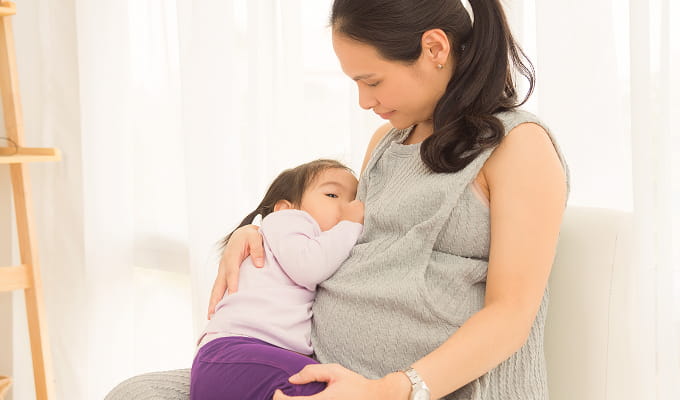
Breastfeeding While Pregnant Care Guide
Still nursing but just found out you're pregnant with your next baby? This care guide can help.

Postpartum Nutrition & Wellness Class
A 60-minute class where you will learn how to fuel your body with balanced nutrition, supplements, and movement during pregnancy.
Qualify for Motherhood Essentials through Insurance
You can qualify for a breast pump at any time during pregnancy and up to one-year postpartum. See if you qualify for a pump, pregnancy & breastfeeding classes, milk storage bags and more through your insurance or log in to check on your account details.