Month-by-Month Pregnancy & Postpartum Guide
7 Months Pregnant
Weeks 28–31 - Third Trimester
Hello third trimester!
As you enter 28 weeks of pregnancy, you are officially in the third trimester! Your baby has grown so much since the start of this journey—starting as an embryo around the size of a poppy seed to now a fetus and roughly the size of an eggplant. Your baby's organs are continuing to mature—the brain is developing folds and grooves, the lungs are practicing breathing, and the eyes are partially opening and responding to light. Your baby is undergoing rapid weight gain during these weeks, likely weighing around 2–3 pounds and measuring about 10–15 inches in length.
You may be feeling a bit more tired as you enter the seventh month of pregnancy, likely related to extra weight and increased demand on your body. You may also be finding it more difficult to get a good night's sleep, often due to frequent urination, back discomfort, heartburn, hormonal changes, or anxiety about what’s to come. This is a good time to start thinking about your birth plan and to schedule a childbirth class if you have not done so yet. Organizing your thoughts surrounding birth and preparing through prenatal classes can help you feel more prepared and confident.
What’s Your Body Doing at 7 Months Pregnant?

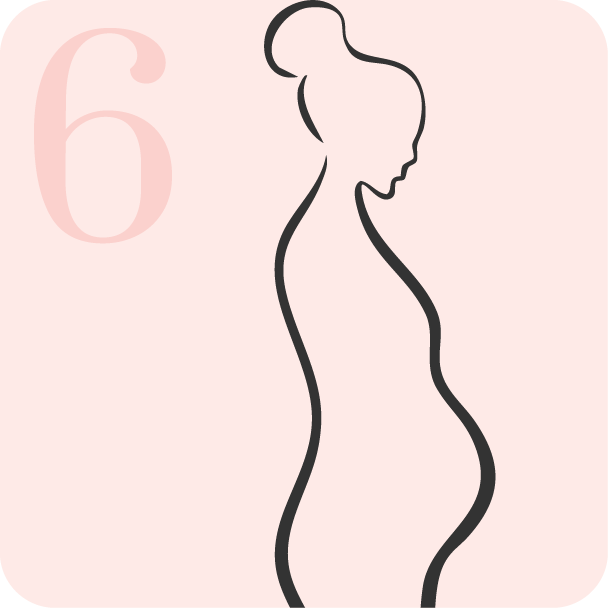
By this stage of pregnancy, your body may feel a bit unfamiliar to you. Your pregnant belly is likely very visible at this point, with the top of your uterus located at or above your belly button. By the end of month 7, your uterus is likely measuring close to 31 centimeters from your pubic bone, plus or minus a few centimeters. This measurement is called a fundal height and is likely assessed at each of your prenatal appointments with your healthcare provider. The fundal height measurement gives your provider information regarding fetal growth and your baby's position within your uterus. Some physical changes you may be noticing include:
-
Breasts increase in size and begin producing colostrum, your body’s first milk. You may, or may not, notice some leaking—both are normal.
-
Ligaments in your pelvis loosen to prepare for birth which can cause aching in your groin and back.
-
Your uterus continues expanding upward under your ribcage.
-
This uterine expansion continues to displace organs in your abdomen:
-
There is increased pressure on your bladder leading to frequent urination.
-
Your stomach moves upward making reflux and heartburn common.
-
Lungs are pushed up, sometimes making it difficult to take a deep breath.
-
Increased blood volume and pressure on blood vessels can contribute to swelling in the legs and feet.
-
It is common to gain about 1 pound per week from this point forward—on average most people have gained about 16-22 pounds by the 7th month of pregnancy, though this varies.
Blood Volume on the Rise
Your body continues to produce more blood throughout pregnancy and into the third trimester. At its peak, your blood volume will be up to 40–50% more than before pregnancy!
How You Might be Feeling at 7 Months Pregnant

Month seven often brings a mix of anticipation and physical changes as the third trimester begins. You may feel excitement as your baby’s movements grow stronger and birth starts to feel more real, while at the same time noticing returning fatigue, body aches, or trouble sleeping that can affect your mood and patience. It’s common for worries or mental to-do lists to pick up now, making rest, gentle self-care, and leaning on your support system especially important.
Some additional pregnancy symptoms during weeks 28–31 of pregnancy may include:
-
Fatigue and difficulty sleeping
-
Braxton Hicks contractions
-
Hemorrhoids
-
Constipation
-
Leg cramps
-
Stretch marks
Things to Do in Month 7 of Pregnancy
1. Start biweekly prenatal visits
- This will include monitoring blood pressure (provider will monitor for pre-eclampsia) and baby’s position, which is often assessed when measuring fundal height.
- Talk to your doctor or midwife about your birth plan and what to look out for as far as signs of labor.
2. Monitor baby’s movements
- Talk with your provider about fetal kick counts as a way of keeping track of these movements.
3. Get ready for birth
- Work on your birth plan. If you need guidance, schedule a 1:1 appointment with one of our providers to help walk you through this.
- Schedule a childbirth class. Check out our Birth and Breastfeeding series to make a birth plan that will support your breastfeeding goals!
- Begin practicing relaxation or breathing exercises. Consider hiring a doula to help support you through your labor and birth.
4. Begin prepping a few freezer meals
- You can also ask your village for support here—meal trains are a great way for loved ones to help care for you after the baby arrives!
5. Research pediatricians in your area
- You can even schedule an appointment or phone conversation to ask questions and find the right fit.
6. Support third trimester symptoms with diet and movement
- Eating smaller, more frequent meals can ease discomfort and help prevent reflux—try to avoid lying down right after eating.
- Maintain steady iron intake to support increased blood volume.
- Continue to stay hydrated to help with constipation.
- A short walk or light stretches can boost energy and comfort.
We created a handy, downloadable checklist that includes the key things to do or think about this month. Simply download, save it on your phone, and bring it up whenever you need a reminder!
Wrap-Up

Slow and steady. This may be your mantra as you enter into the final third of your pregnancy. You may be feeling like some of the discomforts of pregnancy will never disappear, and also be excited about what all of this growth means—meeting your sweet little one in roughly three months! Earlier on in pregnancy it may have felt like the growth was quiet work, and now it may feel a bit louder. You may feel bigger. Your body may ache. Sleep might be a bit disrupted. Lean in to your support system and do the very important work of taking care of yourself—both physically and emotionally.
FAQs
How many weeks is seven months pregnant?
7 months pregnant is 28–31 weeks of pregnancy, part of the 3rd trimester.
What symptoms are common at 7 months pregnant?
Common symptoms at 7 months of pregnancy include fatigue, difficulty sleeping, swelling of the legs and feet, frequent urination, Braxton Hicks contractions, heartburn, hemorrhoids, back pain, and stretch marks.
How is my baby developing at 7 months pregnant?
Your baby is roughly the size of an eggplant by the end of month 7 of pregnancy—around 10 inches in length and around 2.25 pounds! Baby is gaining weight rapidly and developing their vital organs. Your baby's brain is increasing its surface area, eyes are developing and reacting to light, your baby is responding to sounds, and lungs are maturing and practicing breathing in and out. Survival outside the womb becomes more likely with each week, though babies born this early still require intensive medical care.
Are there any important medical checkups at 7 months pregnant?
Your prenatal appointments are picking up in frequency as you enter your third trimester. You will likely be scheduled for biweekly appointments. At these appointments, your healthcare provider will continue to monitor your weight, blood pressure, fetal heart rate, and fundal height. These appointments are critical for asking questions and feeling involved in your care.
How can I manage discomfort and pain at 7 months pregnant?
Ways to manage the discomforts associated with pregnancy at this stage include mild exercise like walking or yoga, heat and cold therapy for aches and pains, small frequent meals to help with indigestion, and support gear like lumbar support bands, and compression socks to help with swelling. Check out our pregnancy support and compression items offered through insurance!
Can I still exercise safely at 7 months pregnant?
Yes, exercising is often encouraged for low-risk pregnancies at 7 months! Ideally you want to focus on mild exercises and stretching including walking, yoga, pelvic floor exercises, and swimming. Avoid any high intensity activities or exercise that will cause overheating and dizziness.
How can I prepare for labor and delivery while 7 months pregnant?
To best prepare for labor and delivery while you are 7 months pregnant, focus on nutrition, exercise, and education/support. Prioritize your physical health by eating a diet full of a wide variety of fruits and vegetables. Add foods high in iron such as meats, nuts, and dark leafy greens. Fiber-rich foods will help aid digestion and prevent constipation—think whole grains, vegetables, nuts, and seeds. Exercise will increase energy levels and can include gentle activities such as walking, swimming, and yoga. Education will help to prepare you for the labor and birth process that is to come. Prenatal, breastfeeding, and childbirth classes will help to prepare you mentally for the journey into parenthood. Conversations with providers and support people will help you to feel united and supported on this journey. Consider hiring doula support to help guide you through your birth journey.
Helpful Resources

Ultimate Breastfeeding Prep Class
Learn about early feeding practices, latch and positioning, milk production, signs breastfeeding is going well, and so much more.

Birth & Breastfeeding Part 1 & 2 Classes
Prepare for the stages of labor and birth, prep for breastfeeding after birth, and learn about birth planning in these two 60-minute classes.

How to Choose the Right Breast Pump for You
Learn about the different types of breast pumps—standard, portable, and wearable—and find the best pump for you.
Qualify for Motherhood Essentials through Insurance
You can qualify for a breast pump at any time during pregnancy and up to one-year postpartum. See if you qualify for a pump, pregnancy & breastfeeding classes, milk storage bags and more through your insurance or log in to check on your account details.