
How to Choose a Breast Pump You’ll Love

We know choosing a breast pump can feel overwhelming with so many types of pumps, brands, styles, and features available. Picking the right pump for your lifestyle and routine can make a big difference in your pumping experience, that’s why we’re here to help you find the right breast pump for you!
At Aeroflow Breastpumps we break out our most common pumps into three categories: standard electric breast pumps, portable breast pumps, and wearable breast pumps. We also offer hospital-grade breast pumps for rent, when medically necessary, and manual breast pumps.
5 Types of Breast Pumps
Standard Electric

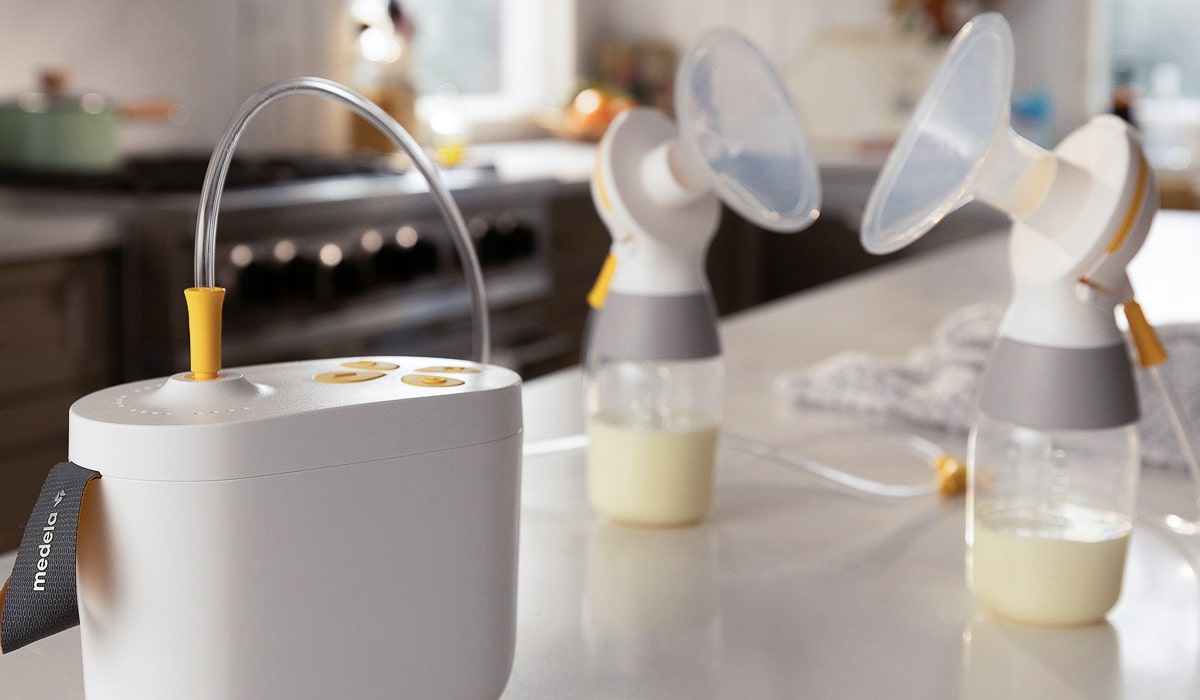
Offer customizable settings and come in plug-in or rechargeable options. They provide strong, consistent suction, making them ideal for returning to work, exclusive pumping, or boosting milk supply.
Portable
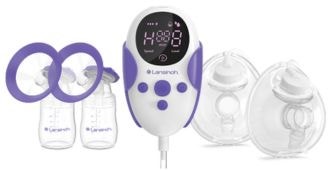
Typically smaller and more compact than standard pumps with a rechargeable battery. Portable options have either standard flanges that can be used with a hands-free nursing bra or compatible collection cups that fit inside your bra for hands-free pumping.
Wearable

Rechargeable pumps that offer convenience and portability. Wearable pumps are self-contained units with no cords or tubing and are worn in your bra for discreet pumping. These are great for busy moms that might not have time to take a pump break.
Hospital-grade
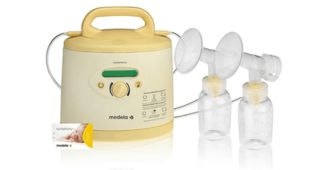
Hospital-grade devices, like the Medela Symphony, designed for multiple users. These pumps are commonly used in NICU or postpartum care and feature closed-system technology to prevent cross-contamination and durable motors built for frequent, long-term use.
Manual
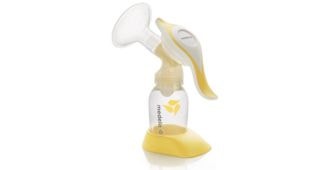
Manual pumps require hand operation to express milk. While they have fewer features than electric models, they are lightweight, portable, and affordable.
What things should you consider when choosing a breast pump?
Choose a breast pump that fits your unique needs — what works for one mom, might not work for you. That’s why our lactation consultants encourage moms to consider four key things when selecting a pump:
Do you plan to direct breastfeed or exclusively pump?
Direct breastfeeding is when your baby nurses directly from you. Most moms who choose direct breastfeeding also pump as part of their feeding routine. Exclusive pumping means you plan to pump and only feed your baby expressed milk. Moms who exclusively pump may want to consider a high-powered pump with more features.
Will you experience regular or occasional separation from baby?
If you’re planning to return to work, school, or other activities, you might experience regular separation from baby and require a high-powered pump with a rechargeable battery. Occasional use, like for doctor appointments, yoga class, or date nights, is less frequent and usually less than 3 hours at a time. In these situations, you may find you rarely need to pump.
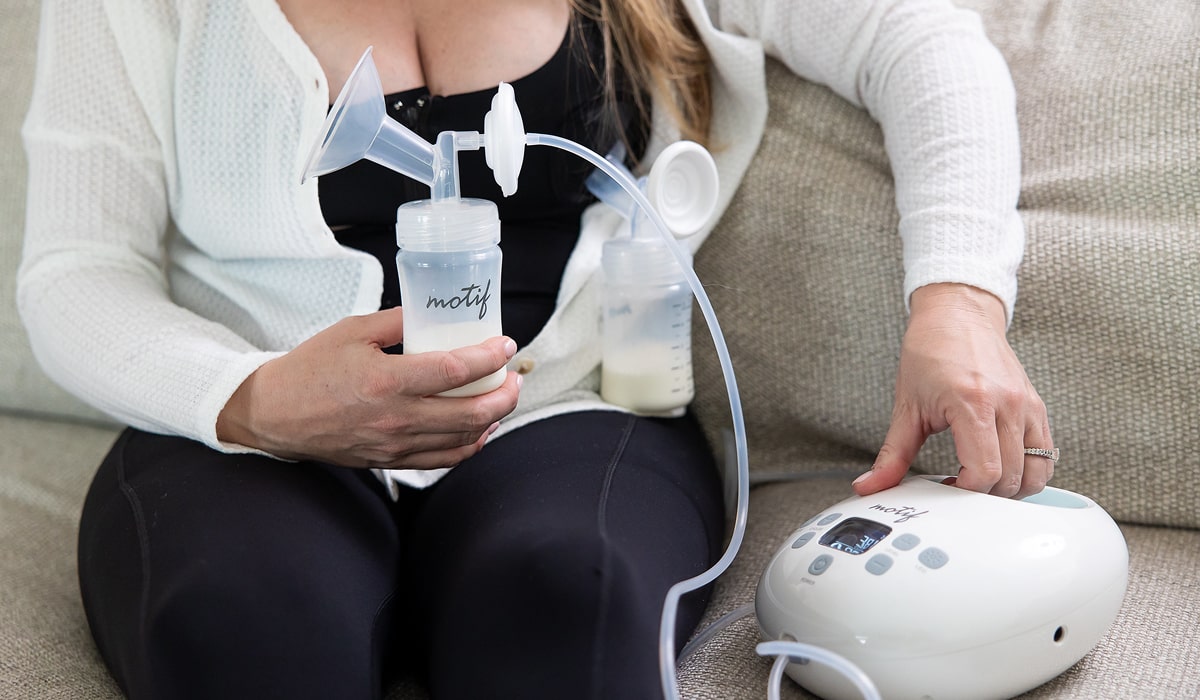

What kind of features are essential to your pumping and breastfeeding journey?
Not only can you choose between a standard versus a wearable breast pump, breast pumps also come with additional features to consider like timers, rechargeable batteries, LCD screens, app or phone connectivity, and number of flange sizes included with the pump you order through insurance.
What will your insurance cover?
Everyone’s coverage will be different, so we encourage you to fill out our qualify form to see which breast pumps are fully covered and which might include an upgrade cost.
A Lactation Consultant’s Guide to Finding the Right Breast Pump
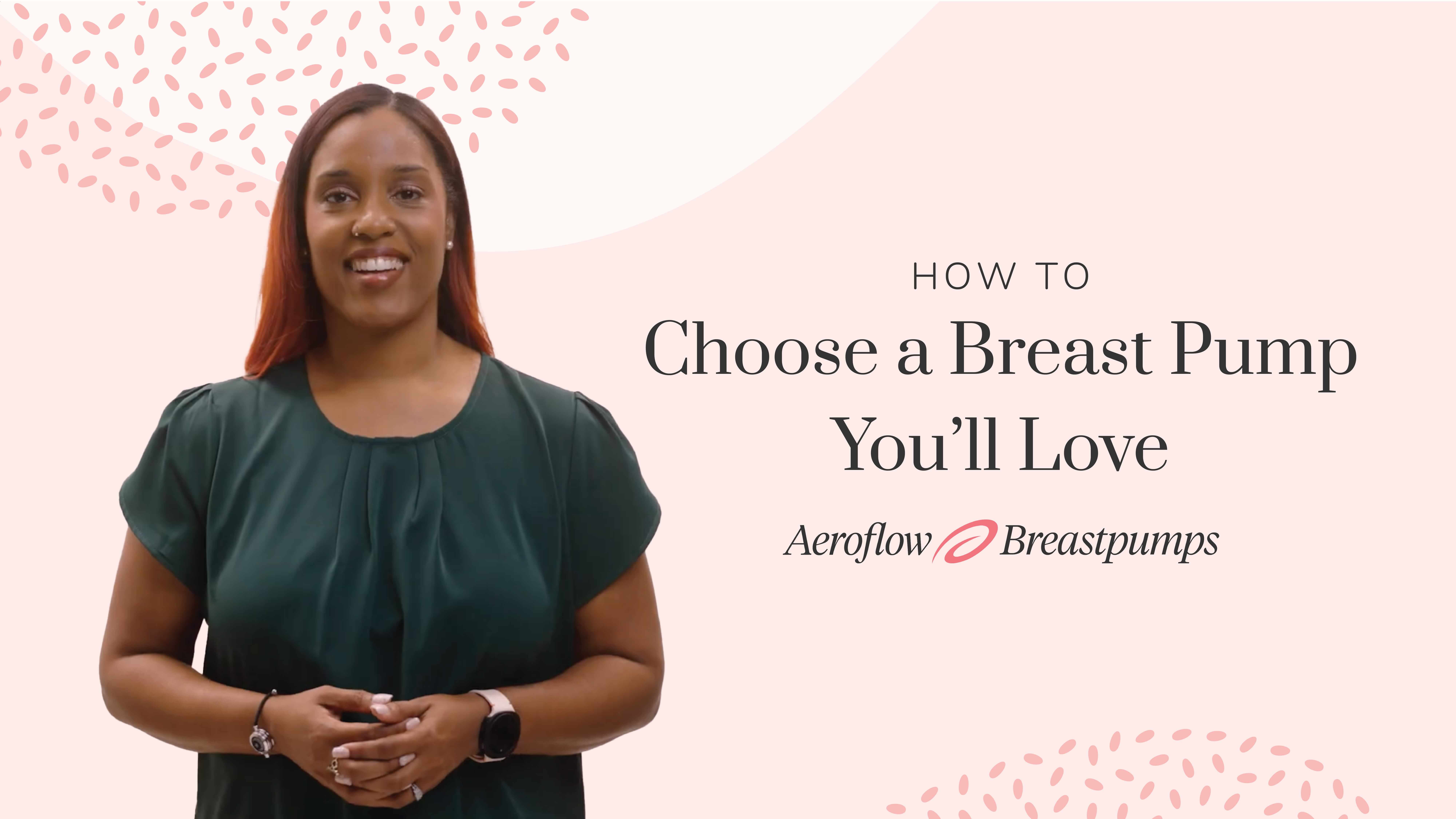
Explore everything you need to confidently pick the right pump with our How to Choose a Breast Pump You’ll Love video, led by one of our lactation consultants—from pump types and features to lifestyle considerations and insurance coverage. We also answer common questions like the difference between wearable and portable pumps and when to measure for the right flange size.
Compare Breast Pump Features Side-By-Side
Looking for a side-by-side comparison? We’ve created a handy reference guide that breaks down the features of some of our most popular standard, portable, and wearable breast pumps.

Feature Definitions
Breast pumps come with a range of features, so it’s important to find what will work best for you. Here we’ll break down some of the more common features to consider.
Warranty
Most pumps come with a warranty from the manufacturer, the length of the warranty will vary across different brands.Closed System
These pumps have a hygienic barrier that prevents milk from backing up into the tubing and motor.Wireless & Tubeless
These pumps are rechargeable and designed to sit inside your bra. The pump and collection container are separate pieces that click together during use, eliminating the need for external tubes or cords.Letdown /massage function
A pump mode that uses quick, gentle suction to stimulate milk flow and help trigger your letdown at the start of a session.Automatically switches from letdown to expression
The pump transitions on its own from fast, gentle suction to slower, deeper pulls—helping maintain an effective session without manual adjustments.Milk volume tracking through app
Some pumps connect to an app that logs your milk output in real time or lets you record each session, making it easy to spot patterns and track your progress.Wide mouth / narrow mouth
Refers to the opening of bottles or milk containers. Wide-mouth options are easier to fill and clean, while narrow-mouth bottles are slimmer and easier to hold.Milk container volume
The amount of breast milk a pump’s container can hold. Most sessions yield 3–5 ounces, so smaller containers are usually sufficient. Larger containers may add extra weight, so choose a size that fits your needs.Independent cycle and vacuum
Allows you to adjust the suction strength (vacuum) and the speed of the pumping cycle separately. This means you can use a high suction with a slower cycle or a gentler suction with a faster cycle, giving you many customizable combinations for comfort and efficiency. Many exclusively pumping moms find this feature particularly helpful for maximizing milk output while maintaining comfort.LCD screen
A built-in screen displays suction level, mode, and session length, allowing you to easily monitor and adjust your settings. This helps you track each session accurately without relying on an app or guessing.
Nightlight / backlit
Pumps with a built-in nightlight or backlit display make it easier to pump in low-light conditions without disturbing your baby. This feature helps you see settings clearly, maintain proper positioning, and keep sessions comfortable during nighttime feedings.Timer
Tracks the length of each pumping session, helping you stay consistent, manage your time efficiently, and monitor session patterns for optimal milk production.Auto-shut off
Automatically stops the pump when the session is complete, conserving battery and preventing over-pumping. This feature is especially convenient for nighttime sessions or when you’re juggling a busy schedule.Rechargeable battery
Lets you charge your pump and use it multiple times without needing to stay near an outlet or power source. This provides flexibility for pumping on the go, at work, or during travel, without interruptions.Disposable batteries
Some pumps use standard replaceable batteries, so you don’t need to plug in or recharge. Keeping extra batteries on hand ensures uninterrupted pumping while on the go or during travel.Max suction strength
The highest suction your pump can reach, reflecting motor efficiency. Effective and comfortable milk expression often occurs at lower settings.Weight
Full-size pumps are heavier and best used while seated, while wearable pumps are lighter but must be supported securely by your bra for comfort and safety.Flange sizes available with pump through insurance
Pumps provided through insurance usually include several flange sizes selected by the pump manufacturer.Additional flange sizes available for purchase
If your pump kit doesn’t include the right flange size, you can purchase the size you need separately.
Frequently Asked Questions
Check out answers to some common questions that our lactation consultants hear from moms who are trying to choose a breast pump.
How do I find out my flange size?
Flange/breast shield sizes can impact your pumping comfort and effectiveness. All breast pumps come with 1-4 pairs of flanges in different sizes to help you find the best fit. In most cases, you don’t need to know your flange size before buying a pump.Choosing the right flange size is important for all pumps, but especially crucial for wearable models to ensure optimal results.You can get an idea of your flange size by measuring your nipples during weeks 38-39 of pregnancy, but you’ll get your most accurate measurement after 2 weeks postpartum. In case your pump didn’t come with the right size for you, you can either purchase the correct size flange or use a flange insert to modify the size of the flange.If you need help with flanges or inserts, our lactation consultants can help you find the perfect flange fit. We’re here to help you get your pumping journey off to the best start!When is the best time to choose a pump?
There’s no right or wrong time to order your pump! You can qualify for your breast pump through insurance at any time during your pregnancy and up to one year postpartum. Some insurance policies may dictate when we are able to ship your pump.What’s the difference between a portable and a wearable breast pump?
Both are rechargeable and allow you to pump on-the-go, but a wearable pump is completely discreet and worn inside your bra. A portable breast pump will have tubing and an attached pump motor. You will need a hands-free pumping bra or collection cups to use with a portable pump to make it hands-free.Will I need regular strength, hospital strength, or hospital-grade suction?
Breast pump suction strength is usually measured as mmHg, which is millimeters of mercury, the standard unit of measuring vacuum pressure. When buying a breast pump, you may notice mmHg in the product description. This number indicates the maximum suction level and will generally fall in the range of 220 to 350 mmHg. It’s best not to get hung up on these numbers though. Instead, focus on how the pump feels and finding that maximum comfortable vacuum.Hospital-grade pumps are medical devices designed for multiple users, often used in hospitals for NICU or postpartum care. Hospital-grade pumps have closed-system technology to prevent cross-contamination and strong, durable motors built for long-term, frequent pumping. These pumps are ideal for initiating and building milk supply, especially in the early days or with complications like latch issues or early birth.Hospital-strength is marketed as having similar suction power as hospital-grade pumps, usually up to 270–300 mmHg. However these pumps are designed for single-user, at-home use. The motors aren’t designed for the same durability or intensive use as hospital-grade pumps.Some moms may feel strong suction strengths are better, but that’s not always the case. Breast pumps have different strengths because every woman's breastfeeding experience is different, and one size does not fit all. Consider your options and find the strength that works best for you!Do I need an independent cycle and vacuum feature?
High-powered pumps come with an independent cycle and vacuum feature that has separate adjustments for cycle (speed) and vacuum (suction). When it comes to breast pumps, cycle describes the number of “sucks” the pump applies to the nipple per minute, while vacuum refers to the intensity of suction applied with each cycle.Pumps with this feature can be customized to suit your preferences and help you produce an adequate milk supply when you are separated from your baby. These separate adjustments are preferred by most moms who exclusively pump or work full time.Alternatively, manual, standard, and wearable breast pumps do not have a separate adjustment for both cycle and vacuum. Instead, these pumps typically have just one control or adjustment that will increase and decrease the cycle and vacuum in unison.
We hope this guide helped you feel more confident in how to choose a breast pump. Choosing the perfect pump is an important step in supporting your breastfeeding journey and making it easier to reach your goals with confidence and ease!