Month-by-Month Pregnancy & Postpartum Guide
5 Months Pregnant
Weeks 18–22 - Second Trimester
You’re halfway there!
At 5 months, you've officially reached the halfway mark of your pregnancy journey. Your body and baby are both growing quickly, and you may really start to feel those changes. One of the most exciting milestones this month is quickening—the moment you begin to feel your baby move. These early flutters and kicks usually begin between 16–24 weeks and are a sign that your baby’s reflexes are developing.
By this stage, your baby can yawn, stretch, kick, and even practice facial expressions. Your baby can also hear your voice and your heartbeat. You’ll get to see all this growth up close soon, as the anatomy ultrasound scan typically takes place around week 20.
What’s Your Body Doing at 5 Months Pregnant?

During weeks 18–22 of pregnancy (still the second trimester), many pregnancy hormones begin to level out, but your body is still undergoing rapid physical changes as it creates space and resources for your growing baby. Here’s what you may notice this month:
-
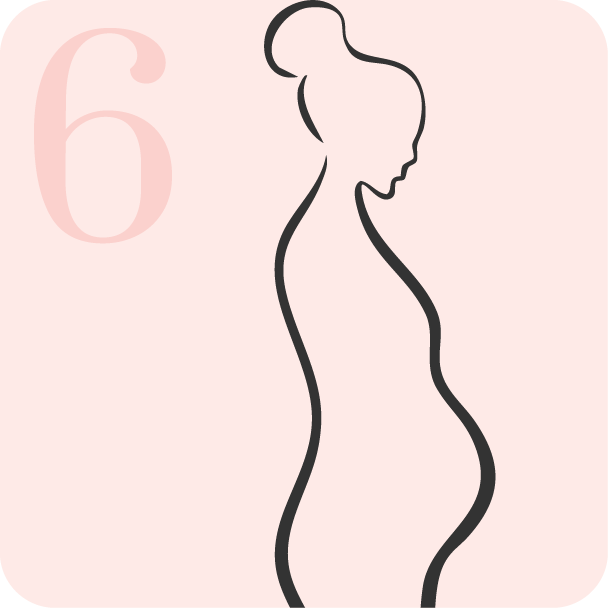
Your baby bump may be even more noticeable as your uterus grows to about the size of a mango. The top of your uterus (known as the fundus) is about level with your belly button.
-
Fetal movements (quickening) may begin or become more consistent.
-
Weight gain varies, but many people have gained around one-third of their total pregnancy weight by this stage—typical weight gain is about 5-10 pounds by month 5
-
Your heart now has to work 40–50% harder to support your pregnancy and increased blood flow. This may mean that your blood pressure is slightly lower than normal, so take care to get up slowly from seated or lying down.
-
Linea nigra, which is a dark vertical line that can appear on your abdomen during pregnancy, may appear toward the end of month five.
-
Your belly and breasts may feel visibly larger this month.
-
Your body is releasing a hormone called relaxin. This hormone loosens up ligaments, which may mean that your knees and ankles have less support than usual and it may make your usual exercise a bit more difficult.
Discuss pregnancy symptoms with your healthcare provider during your prenatal appointments, especially if they are causing too much discomfort. Your overall health remains the priority during these weeks!
Eating for Two
While your appetite might be returning, you won’t need to double your portions. About 340 extra calories per day are required during the second trimester of pregnancy.
How You Might be Feeling at 5 Months Pregnant

Reaching the halfway point of pregnancy can bring a wide range of emotions. Many parents find this month to be a time when pregnancy feels more “real.” As your baby’s movements become noticeable for the first time, many parents start to feel a deeper connection and growing excitement about the anatomy scan, upcoming tests, birth plans, and body changes. Energy often improves during this stage, helping you feel a bit more like yourself again, but it’s also common to have moments of overwhelm as the reality of becoming a parent sinks in. Emotions can feel heightened too—you might notice you’re more sensitive, sentimental, or reactive than usual. Some physical symptoms you may feel include:
-
More energy and improved mood
-
Occasional leg cramps or swelling
-
Heartburn or indigestion
-
Skin may start to stretch and stretch marks may begin to form
-
Fatigue or difficulty sleeping
-
Constipation or bloating
-
Breast tenderness

Things to Do in Month 5 of Pregnancy
1. Attend your anatomy ultrasound
- Your anatomy ultrasound usually happens around week 20.
- Keep a running list of questions for your prenatal visits, think about any questions you may have about birth planning or symptoms.
2. Begin exploring maternity leave or work plans
- Learn more about FMLA or your employer’s policies.
- Consider a class like Navigating Maternity Leave to help you prepare for leave and return to work as well as learn more about your pregnancy and breastfeeding rights in the workplace.
3. Start planning for baby
- Many like to start a baby registry around this time—don’t forget it can include things for you too!
- Depending on your postpartum plans, now may be a good time to start researching childcare options in your area.
4. Focus on adding nutrient-rich foods to support pregnancy symptoms
- Add iron-rich foods, protein, and hydration as your blood volume continues to rise.
- Eat small, frequent meals if you’re experiencing heartburn or your stomach feels crowded.
- Include magnesium-rich foods to support sleep, reduce leg cramps, and ease muscle tension, like: nuts, seeds, avocado, whole grains, leafy greens.
5. Stay consistent with movement
- Try to incorporate light movement every day, like walking, stretching, prenatal exercise, or prenatal yoga.
We created a handy, downloadable checklist that includes the key things to do or think about this month. Simply download, save it on your phone, and bring it up whenever you need a reminder!
Wrap-Up

The halfway point of pregnancy may be filled with lots of highs and maybe some lows, especially if you are still experiencing some lingering symptoms or some new ones. Continue going to your prenatal appointments to focus on your overall health, discuss your symptoms, and to get your questions answered. During these weeks, lean into your support network. It is also important to carve out time each day for yourself. Do something that fills your cup—a long shower, reading, lunch with a friend.
Feeling your baby move can really create a deeper connection with your baby. Journal your experiences, take a picture of your growing belly, and start talking to your little one—remember, baby can now hear the sound of your voice!
FAQs
How many weeks is five months pregnant?
5 months pregnant is 18–22 weeks of pregnancy, part of the 2nd trimester.
What symptoms are common at 5 months pregnant?
Some common symptoms at 5 months pregnant include feeling baby move, back or groin discomfort, nasal congestion, breast tenderness, constipation, and heartburn.
What does baby development look like during the fifth month of pregnancy?
By the end of month 5, your baby is likely around 0.5–1 pound in weight! Development during this month includes growing fine hair (lanugo) on the skin's surface, making movements (quickening), the development of reflexes and senses, and the formation of fingerprints, eyelashes, and eyebrows.
What changes happen to my body in the fifth month of pregnancy?
In the fifth month of pregnancy, some physical changes you may notice include a growing baby bump as your uterus expands, starting to feel your baby move and kick, aching muscles in your back as your center of gravity shifts, mild swelling of the legs or ankles due to increased blood flow, and potential skin changes like stretch marks or linea nigra.
Are there any warning signs I should watch for at 5 months pregnant?
Warning signs to watch out for at 5 months pregnant are vaginal bleeding or leaking of fluid, severe abdominal pain, rapid or severe swelling, shortness of breath, vision changes, severe nausea or vomiting, or a sudden decrease in fetal movements after you’ve been feeling them regularly. Please reach out to your healthcare provider if you experience any of these symptoms.
What prenatal checkups or tests are usually done at 5 months pregnant?
At 5 months pregnant your prenatal checkup will likely include an anatomy scan. This is a detailed ultrasound looking at your baby's growth and development, usually performed between 18–22 weeks. This scan may also reveal your baby’s sex, if you choose to find out. Your provider will continue to monitor your overall health by assessing your weight, blood pressure, urine, and fundal height at your prenatal appointments.
How might my belly look or feel at 5 months pregnant?
At 5 months pregnant your belly will likely be a noticeable baby bump as your uterus expands to about the size of a mango. You may also notice stretch marks on your belly as your skin makes room for your growing baby and uterus. Stretch marks can be pink, red, or even purple streaks on your skin depending on your skin tone. You may also notice linea nigra appear vertically down the center of your abdomen.
Is it normal to feel fetal movement at 5 months pregnant?
Yes, it is a healthy sign of pregnancy to feel movements begin around 5 months pregnant. These movements may start off small, like flutters or bubbles, and then grow stronger into larger movements and kicks. The timing of these movements can vary based on factors like number of pregnancies and location of the placenta.
What tips can help manage common discomforts at 5 months pregnant?
Some tips for managing common discomforts during these weeks are to partake in light exercise daily such as stretching or walking, eat small, frequent meals rich in fiber to help with digestion, ensure adequate hydration throughout the day, elevate your feet when sitting to help with circulation, maintain proper posture to reduce strain to your back, and wear a supportive bra to ease breast tenderness as your breasts grow.
Helpful Resources

Pregnancy Cookbook Blog
Explore recipe ideas that support everything from staying hydrated and combatting morning sickness to preparing an easy, weeknight meal.

Pregnancy Nutrition & Wellness Class
A 60-minute class where you will learn how to fuel your body with balanced nutrition, supplements, and movement during pregnancy.

How to Choose the Right Breast Pump for You
Learn about the different types of breast pumps–standard, portable, and wearable–and find the best pump for you.
Qualify for Motherhood Essentials through Insurance
You can qualify for a breast pump at any time during pregnancy and up to one-year postpartum. See if you qualify for a pump, pregnancy & breastfeeding classes, milk storage bags and more through your insurance or log in to check on your account details.