Month-by-Month Pregnancy & Postpartum Guide
6 Months Postpartum
Exploring food—while milk still leads the way.
Six months postpartum marks a milestone for both you and your baby. Your body continues to recover and adapt, while your baby reaches new developmental stages—most notably, readiness to explore solid foods. While solids are introduced around this time, breast milk (or formula) remains your baby’s main source of nutrition, providing the majority of calories and immune support throughout the first year of life and beyond.
This stage often brings growing confidence, evolving routines, and a sense of curiosity — for both your baby and you as you navigate new feeding experiences.
How’s Breastfeeding or Pumping Going?
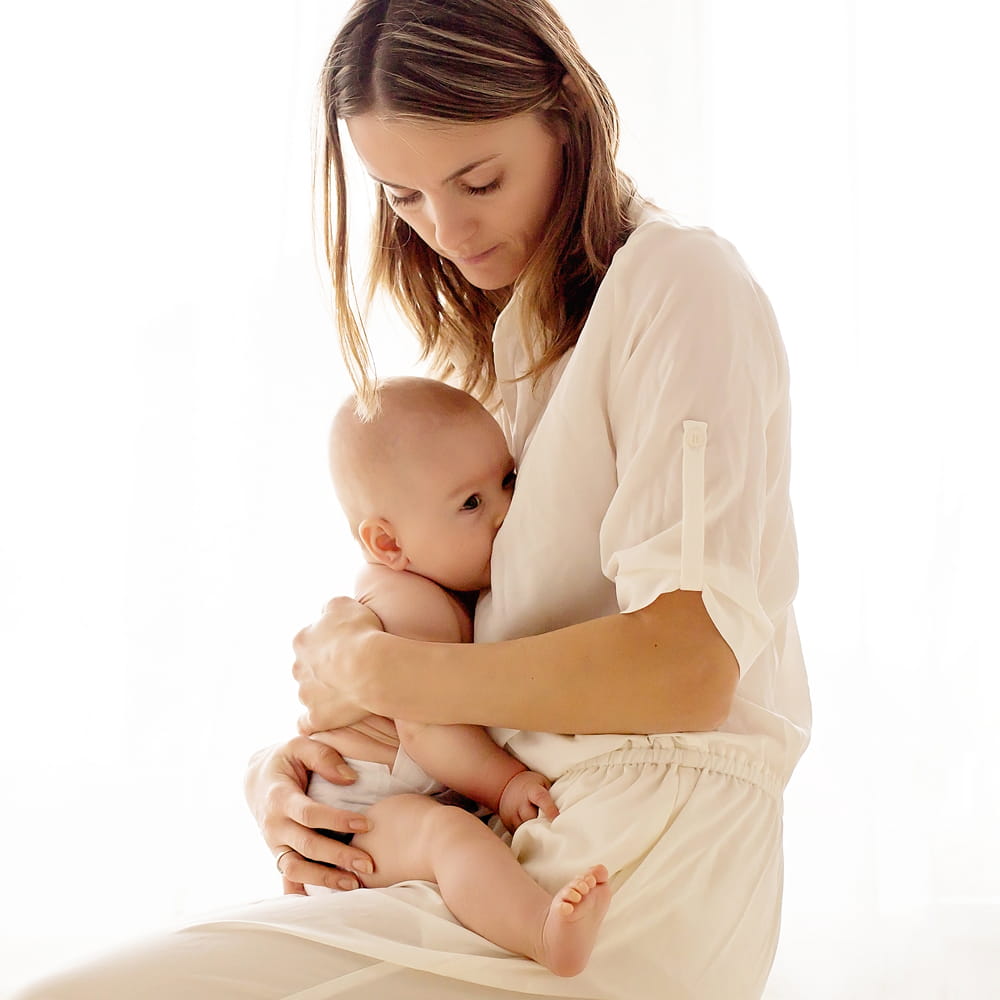
At six months, breastfeeding or pumping is usually well-established. As solids are introduced, milk intake may shift slightly, but breast milk feeds should continue regularly and remain your baby’s primary source of nutrition.
Helpful reminders:
-
Offer breast milk or a bottle before solids, especially early on
-
Continue feeding on cue, even as meals are added
-
Pumping schedules may need small adjustments if routines change, but supply is typically stable
-
Solids complement breast milk—they don’t replace it at this stage
If returning to work, traveling, or adjusting routines, a lactation consultant can help fine-tune pumping or feeding plans.
Introducing Solids: What to Know
Around six months, many babies show readiness for solids, such as:
-
Sitting with minimal support
-
Good head and neck control
-
Bringing objects to their mouth
-
Showing interest in food
Start slowly with iron-rich foods and explore things like purées, mashed foods, or soft finger foods. Focus on exploration rather than volume. Gagging is normal; choking is not—learning the difference can build confidence. Breast milk feeds continue to meet nutritional needs while solids support skill-building and exposure.


Teething & Breastfeeding
Around six months, many babies begin teething, though timing varies widely. Teething may cause drooling, gum tenderness, increased chewing, and temporary changes in sleep or feeding. Teething does not mean breastfeeding needs to stop. Breastfeeding often remains a source of comfort and connection and may help soothe sore gums during this stage.
You may notice:
-
Increased nursing for comfort
-
Shorter or more distracted feeds
-
More biting or clamping at the breast
-
Fussiness during feedings when gums are tender
These behaviors are part of normal development and are not meant to cause harm. Teething can temporarily affect how feeding feels, but it typically does not impact milk supply or signal readiness to wean. With the right support and expectations, most families continue breastfeeding comfortably through this phase.
Check out our Care Guide for tips and strategies to navigate biting while protecting your breastfeeding relationship.
Milk Still Leads the Way
Despite solid readiness, babies still get most of their nutrition from breast milk or formula at this stage. Now is a time for skill building and exploration!
What’s Your Body Doing at 6 Months Postpartum?
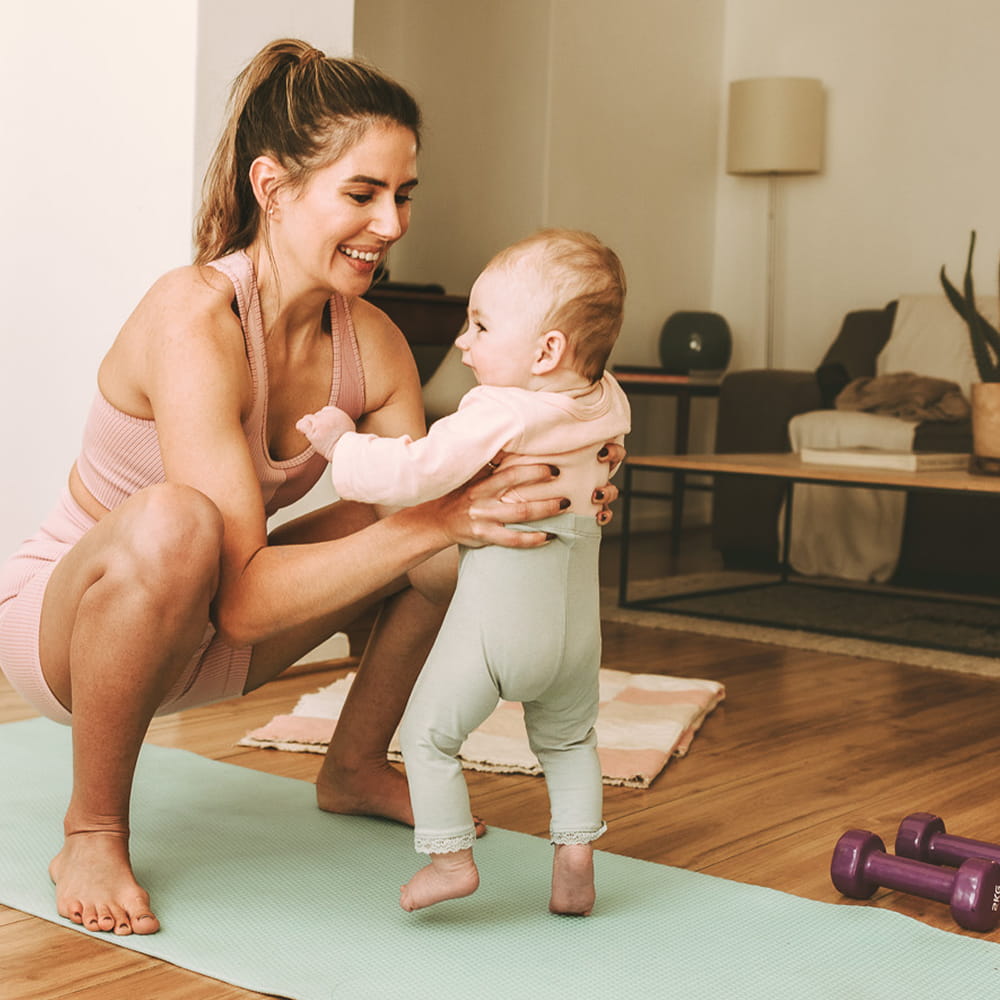
Your body is still healing and adjusting. While some parents feel more like themselves, others may notice lingering fatigue, changes in strength, or emotional shifts. Hormones—especially if breastfeeding—can continue to influence energy, mood, and sleep.
You may notice:
-
Gradual improvements in stamina and strength
-
Ongoing pelvic floor or core recovery
-
Return of menstruation or ovulation for some (timing varies widely)
-
Continued sleep disruption as your baby’s development evolves
If emotional heaviness, anxiety, or overwhelm feels persistent, support is available and encouraged.
What’s Your Baby Doing at 6 Months Old?

Your baby is becoming more engaged, mobile, and expressive. This stage is marked by curiosity, communication, and growing independence.
Common milestones include:
-
Sitting with support or independently
-
Reaching, grasping, and bringing items to their mouth
-
Babbling with varied sounds
-
Showing excitement during interactions
-
Exploring food through touch, smell, and taste
Things to Do During Month 6 Postpartum
This month (and beyond) is about balance—supporting your baby’s development while continuing your own recovery.
Helpful focus areas:
-
Begin solids when your baby shows readiness.
-
Keep milk feeds consistent while exploring solids.
-
Continue breastfeeding or pumping as baby’s primary nutrition, usually up until baby’s one-year old.
-
Continue to have regular checkups with your provider and your baby’s pediatrician
-
Your baby will have a 6-month well visit around this time.
-
Maintain regular appointments for both yourself and your baby.
-
Eat regular meals and stay hydrated to support milk production
-
Continue gentle movement and core/pelvic floor support
-
Maintain simple routines that work for your family
-
Ask for help as new transitions arise
-
Check in with your mental and physical health
-
Celebrate your journey and everything you’ve accomplished!
We created a handy, downloadable checklist that includes the key things to do or think about this month. Simply download, save it on your phone, and bring it up whenever you need a reminder!
Wrap-Up

You and your baby have reached such an incredible milestone. As you start to introduce solids, your breastfeeding routine may change and that’s just fine. Remember that breast milk or formula will still be your baby’s primary source of nutrition through their first year of life. This month and beyond, we encourage you to find a gentle rhythm with your baby. Continue to learn about each other and build easy routines that incorporate learning and development for baby, but also self-care for yourself. You’ve got this!
FAQs
Is it normal to still feel fatigued 6 months after giving birth?
Yes. Ongoing fatigue is common at 6 months postpartum due to sleep disruption, hormonal shifts (especially if breastfeeding), mental load, and physical recovery. Persistent or extreme fatigue should be discussed with your provider.
How long does postpartum recovery typically take for most women?
Postpartum recovery is gradual and often takes 12–18 months. While some healing happens in the first few months, physical strength, hormones, sleep, and emotional balance continue to normalize well beyond the early postpartum period.
Should I still be experiencing postpartum depression symptoms 6 months after delivery?
Postpartum depression and anxiety can begin or persist anytime within the first year after birth, sometimes emerging later rather than earlier. Ongoing symptoms are not a personal failure and we encourage you to reach out to your provider for support.
What physical complications can occur around 6 months postpartum?
Some parents may still experience pelvic floor symptoms (leaking, pressure, pain), diastasis recti, back or joint pain, breastfeeding-related concerns, or delayed healing after a cesarean. These are common and can be treated with appropriate care.
What are some recovery tips for women at 6 months postpartum?
Focus on consistent nourishment, hydration, rest, gentle strength-building, and realistic routines. Continue core and pelvic floor support, pace activity increases, and seek professional help if symptoms linger or worsen.
Is it common to still have breastfeeding issues at 6 months postpartum?
Yes, you may still experience breastfeeding issues at 6 months postpartum. Challenges like supply changes, pumping fatigue, nipple discomfort, return-to-work transitions, or introducing solids can affect breastfeeding at this stage. Lactation support can still be very helpful.
Are you fertile 6 months postpartum?
Possibly. Ovulation can return anytime postpartum—even before your first period—especially if feeding patterns change. Breastfeeding may delay fertility, but it is not a guaranteed form of birth control.
Helpful Resources

Solids for the Breastfed Baby Class
Learn how to recognize readiness for solids, explore baby-led and parent-led feeding approaches, and how to maintain milk supply.

Starting Solids and Baby Led Weaning Care Guide
Curious about starting solids while breastfeeding? This guide will walk you through when and how to start, readiness cues, and feeding practices that support your baby’s nutrition and development.
Mother Pumper Program
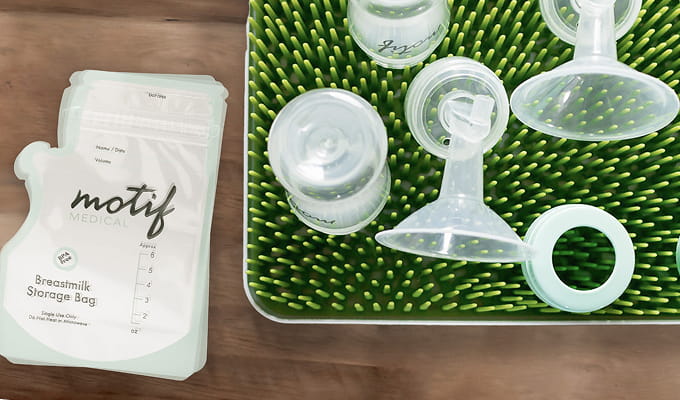
Insurance-covered milk storage bags and pump replacement parts can be delivered right to your door through our Mother Pumper Program. Even if you didn’t get your pump from us, you may still qualify!
Qualify for Motherhood Essentials through Insurance
You can qualify for a breast pump at any time during pregnancy and up to one-year postpartum. See if you qualify for a pump, pregnancy & breastfeeding classes, milk storage bags and more through your insurance or log in to check on your account details.