Month-by-Month Pregnancy & Postpartum Guide
4 Months Postpartum
Growing together—one milestone at a time.
In the 4th month postpartum, your body is still recovering, and your emotional well-being continues to adjust as sleep, stress, hormones, and daily routines shift. Some parents may be returning to work, while others are settling into full-time caregiving at home. Both can bring new rhythms, demands, and emotions. You might notice you’re starting to feel more like yourself again—more energy, confidence, or a desire for personal time or physical activity. Meanwhile, your baby is becoming more interactive and continues to reach exciting milestones. This stage can also bring changes in sleep patterns. Night wakings, shorter naps, or fussier days—often called a sleep regression—are common and reflect normal neurological and sleep pattern development.
How’s Breastfeeding or Pumping Going?

By four months, breastfeeding or pumping may feel like second nature, but your routine and your baby’s needs can still change. Your milk supply is generally well-established, and you may notice your baby becoming more efficient at feeding or taking more structured naps between feeds.
If you’re still building a milk stash or preparing to return to work, you can continue pumping once per day (or more if needed) to maintain supply and create a small stash. Some babies may start showing preferences for breastfeeding versus bottle feeding, and it’s normal if they take a little time to adjust. Offering a bottle once in a while can help your baby practice and give you flexibility.
This stage gives you time to:
-
Maintain or fine-tune your pumping routine
-
Build or maintain a backup freezer stash
-
Support your baby in transitioning between breast and bottle as needed
-
Adjust your schedule if returning to work or balancing other responsibilities
If your maternity leave is shorter than 3-4 months, consider working with a lactation consultant to optimize your pumping schedule and ensure your supply meets your baby’s needs.
Find a Routine
The CDC recommends at least 150 minutes per week of moderate-intensity aerobic activity during pregnancy and the postpartum period. As long as you’ve been cleared by your provider, try to find an exercise routine that works for you.
What’s Your Body Doing at 4 Months Postpartum?

At four months postpartum, your body continues to recover and adjust to life with your baby. Some postpartum discomforts may still linger, while new physical changes, like improved core strength or pelvic floor recovery, can emerge as you gradually return to more activity.
Around four months postpartum, some parents notice unexpected emotional fatigue, identity shifts, or physical changes. Sleep disruption and hormonal shifts can intensify feelings of overwhelm, even alongside joy. These experiences are common, valid, and not a sign something is “wrong.” If feelings feel heavy or persistent, reaching out to your healthcare provider or connecting with a Postpartum Support International (PSI) support group can provide guidance and reassurance.
-
Gradual increase in energy and stamina as sleep and recovery improve
-
Pelvic floor and core muscles continuing to strengthen; gentle exercise can support this
-
Breasts may feel softer and milk supply more regulated; occasional engorgement may still occur with skipped feedings or delayed pumping sessions
-
Sleep may still be interrupted due to baby’s changing patterns and nighttime feedings
-
Menstruation and first postpartum ovulation may resume (between 4-24 months)
-
Immune function gradually shifts back toward pre-pregnancy patterns
What’s Your Baby Doing at 4 Months Old?
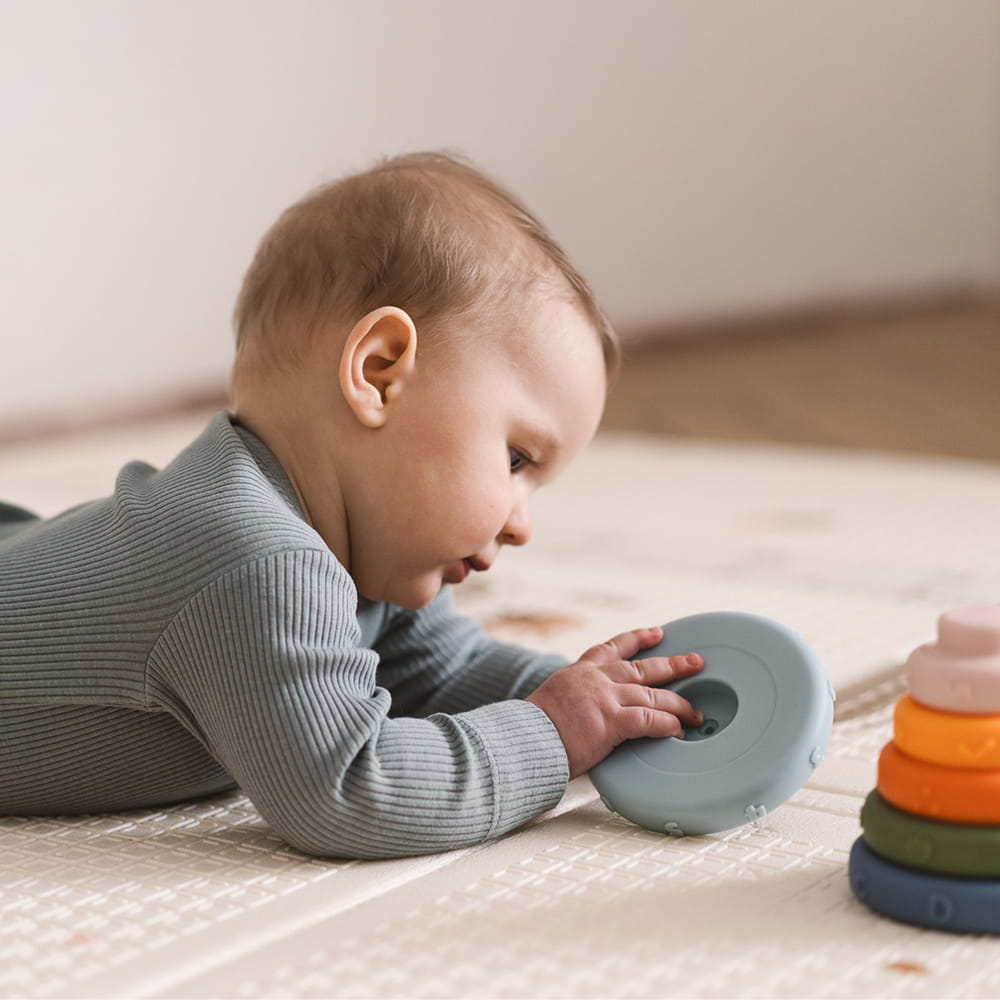
At four months, your baby is becoming more aware of the world around them and more interactive every day. They’re learning to communicate through sounds, expressions, and movements, and their growing curiosity can make this a fun and exciting stage. Sleep patterns may still fluctuate, with some babies experiencing brief sleep regressions, and their growing mobility and alertness mean they’re practicing new skills all the time. Work on building a calming bedtime routine to help your baby settle.
Common milestones and behaviors around 4 months include:
-
Smiling, cooing, and laughing in response to interaction
-
Holding their head steadily and beginning to push up when on their tummy
-
Reaching for and grasping toys or objects
-
Rolling from tummy to back (some may start rolling both ways soon)
-
Showing increased interest in their hands, feet, and surroundings
-
Recognizing familiar faces and voices, and showing excitement or engagement
Things to Do During Month 4 Postpartum
1. Attend baby’s 4-month-old visit
- Your pediatrician will track your baby’s growth and perform an overall well-check.
-
You may be offered the second dose of a few vaccines including DTaP, IPV, and Rotavirus.
2. Find time to connect with others and yourself
- Connect with friends, family, or other parents; even short check-ins can help you feel supported and less isolated.
- Take breaks to get some fresh air—a short walk outside with your baby can reset any negative emotions.
3. Spend time interacting and playing with your baby
- These interactions promote your baby’s thinking processes, including perceiving, remembering, forming concepts, solving problems, and reasoning.
- A positive, playful connection contributes to your baby's language and abilities later on.
4. Find time for gentle exercise
-
If cleared by your provider, continue or start an exercise routine. Even short walks, stretching, or yoga will help.
5. Replace your pump parts
-
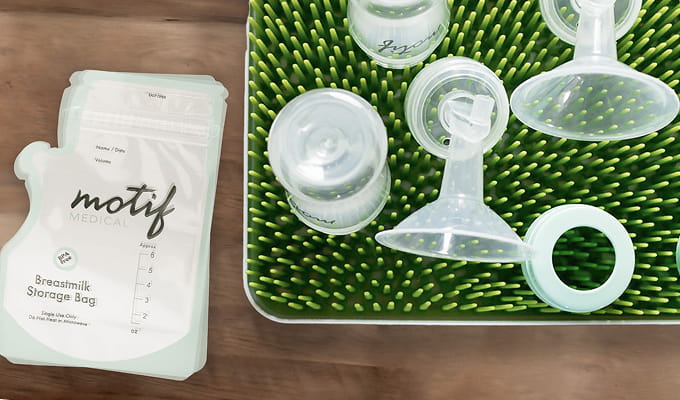
If you’ve been regularly pumping, it might be time to replace your pump parts to keep your pump working as safely and effectively as possible. Replacement parts are sometimes covered through insurance.
We created a handy, downloadable checklist that includes the key things to do or think about this month. Simply download, save it on your phone, and bring it up whenever you need a reminder!
Wrap-Up

At four months postpartum, recovery and daily routines are still evolving for both you and your baby. Sleep, feeding, and emotions may shift, but gradual physical healing and growing confidence are common. Focus on rest, support, and adjusting expectations as new patterns develop.
FAQs
How long does postpartum recovery typically take after giving birth?
Postpartum healing is individual and happens in stages as your body adjusts after pregnancy. These include the acute phase (6–12 hours after birth), subacute phase (24 hours to 6 weeks), and delayed phase (6 weeks to 6 months). Recovery often extends beyond 6 months—one study found that only 42.5% of women felt fully recovered by 3–6 months, with age and birth experience influencing recovery. Overall healing can take 18 months or longer, with cesarean recovery often requiring more time than vaginal birth.
What are common emotional changes at 4 months postpartum?
Peripartum mood and anxiety symptoms can begin or continue anytime within the first year after birth and are not a personal failure. Symptoms may include sadness, anxiety, irritability, fatigue, guilt, difficulty concentrating, sleep or appetite changes, or trouble bonding with your baby. These symptoms can affect any parent, including fathers and partners.
If symptoms feel persistent or interfere with daily life, contact your healthcare provider or a mental health professional. If you have thoughts of harming yourself or your baby, seek immediate help by calling 911 or 988 (Suicide & Crisis Lifeline; Spanish: 1-888-628-9454).
How can I start returning to exercise or physical activity at 4 months postpartum?
Exercise after pregnancy might not be easy, but it can boost your well-being, energy, and mood. The CDC recommends at least 150 minutes per week of moderate-intensity aerobic activity during pregnancy and the postpartum period. Break this up in smaller chunks of time throughout the week. Some days you might have less energy for a full workout. Do not give up; do what you can. Some activity is better than none. Seek support, and make time for physical activity.
What are common postpartum complications to watch out for at 4 months postpartum?
At 4 months postpartum, some complications can still emerge or persist, even if recovery initially felt smooth. Watch for ongoing pelvic floor symptoms (leaking, pressure, pain), core or back pain, unusual bleeding, signs of infection (fever, breast redness or pain), extreme fatigue, or changes in mood or anxiety. Contact your healthcare provider if symptoms are persistent or worsening, and seek urgent care for heavy bleeding, chest pain, shortness of breath, fever, or thoughts of harming yourself or your baby.
How do postpartum hormones affect my body at 4 months postpartum?
What are some signs of delayed postpartum depression at 4 months postpartum?
Symptoms include low mood, sadness, anxiety, panic, fatigue, irritability, feelings of hopelessness or guilt, difficulty concentrating, reduced interest or pleasure in usual activities, changes in appetite or sleep, or trouble bonding with your baby. New fathers can also experience these symptoms. It is important to call your provider and a mental health provider.
How can I improve my mental health and emotional wellbeing at 4 months postpartum?
Supporting your mental health can start with small, consistent care—rest when possible, gentle movement, nourishing food, and moments of connection or quiet. Sharing how you’re feeling and asking for help can ease the mental load. If emotions feel heavy or persistent, reaching out to your healthcare provider or a mental health professional can provide meaningful support.
What lifestyle tips can help speed up recovery and adjustment after pregnancy at 4 months postpartum?
Prioritize sleep and rest when possible, eat regular nourishing meals, stay hydrated, and ease back into gentle movement that feels supportive to your body. Create realistic routines, accept help, and stay connected with supportive people. These small lifestyle choices can help your body heal, regulate hormones, and support emotional adjustment as you continue to recover after pregnancy.
What month postpartum is the hardest?
There isn’t one single “hardest” month postpartum—it varies by person—but many parents find months 3–4 especially challenging. Early support often tapers off, sleep deprivation accumulates, routines shift, and expectations to “feel normal” increase, even though physical and emotional recovery is still ongoing. For others, the first month feels hardest due to intense recovery and newborn adjustment, while some struggle more around 6–12 months as mental health symptoms emerge or persist. The key takeaway: difficulty at any stage is common, valid, and not a sign you’re doing anything wrong.
Helpful Resources

Pumping Room Facebook Group
Connect with other moms and our knowledgeable lactation providers in our Pumping Room Facebook group.

How to Store Your Breast Milk Care Guide
You may be planning to return to work or ready to build up a small stash of milk as baby begins taking a bottle. This guide shares the ins and outs of safe milk storage.
Mother Pumper Program
Insurance-covered milk storage bags and pump replacement parts can be delivered right to your door through our Mother Pumper Program. Even if you didn’t get your pump from us, you may still qualify!
Qualify for Motherhood Essentials through Insurance
You can qualify for a breast pump at any time during pregnancy and up to one-year postpartum. See if you qualify for a pump, pregnancy & breastfeeding classes, milk storage bags and more through your insurance or log in to check on your account details.