Month-by-Month Pregnancy & Postpartum Guide
2 Months Postpartum
You’re finding your rhythm—one step at a time.
By month two, many parents notice more predictable routines. You may also feel stronger physically and emotionally. While every postpartum period is different, you may begin noticing patterns in your baby’s sleep, feeding, and wake windows.
You may also be starting to think about returning to work, gentle exercise, childcare, or pumping routines. Give yourself grace. Healing, bonding, and adjusting to your new role happen on your own timeline. You don’t have to do it alone.
How’s Breastfeeding or Pumping Going?
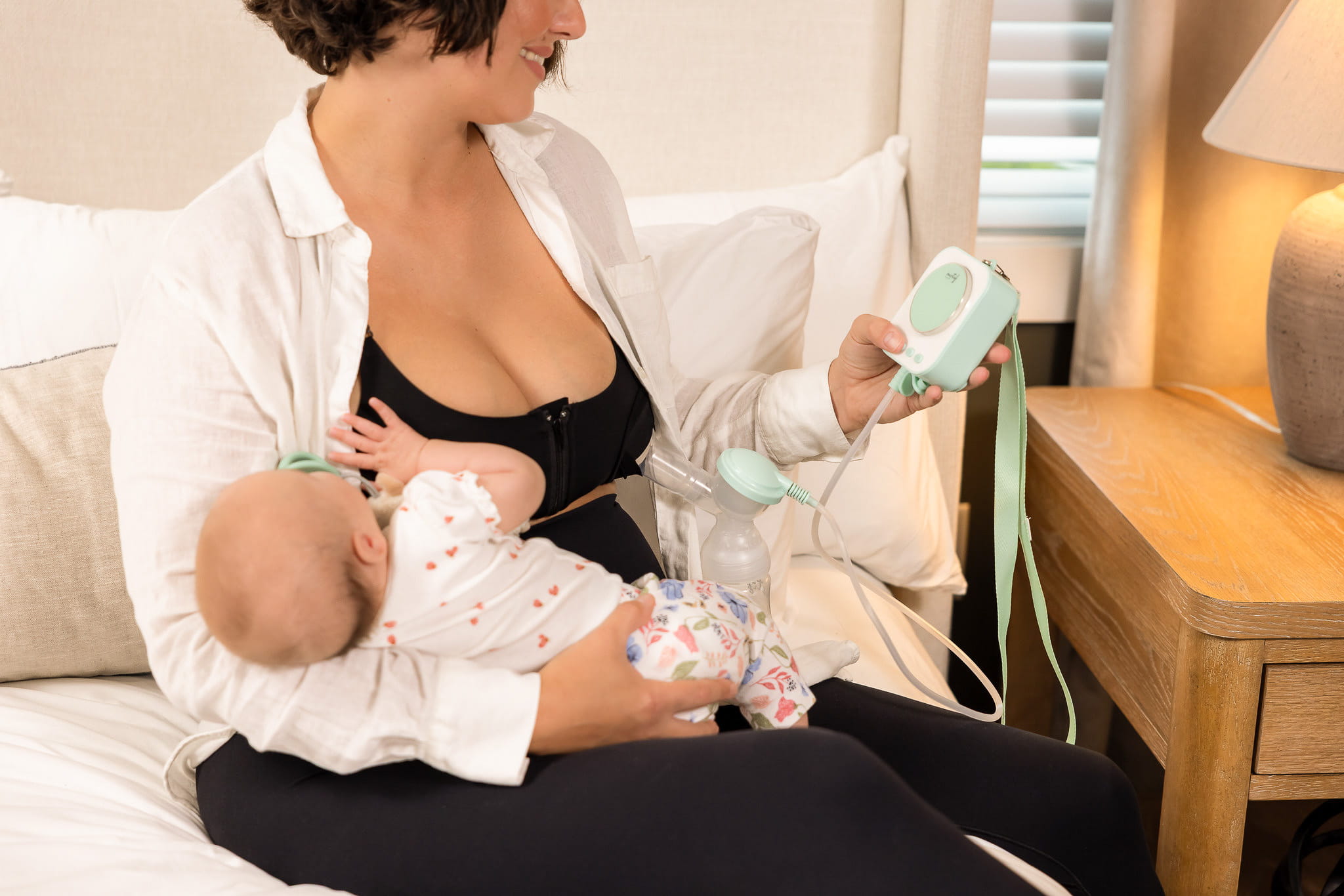
By two months, breastfeeding or using a breast pump may feel more familiar. Your milk supply is more established, and you're likely more in tune with your baby’s feeding cues. Once breastfeeding is well-established, you may consider introducing a bottle for occasional feeds—especially if you need to be away from your baby for a short break or to run an errand.
If you are going back to work, as your return-to-work date approaches, try pumping once per day after a morning feeding. It's normal not to get much milk at first, but as you build a milk stash, you can offer your baby their first bottle. Pump whenever your baby takes a bottle. This helps keep your supply steady. Some babies transition easily to bottles, while others may need more practice—patience is key.
This gives you enough time to:
-
Get comfortable with your breast pump
-
Build a small backup freezer stash
-
Help your baby adjust to bottle feeding
If your maternity leave is shorter than 6-8 weeks, work with a lactation consultant to create a customized pumping strategy.
Why You’re Always Feeling Hungry
Making breast milk can burn an additional ~300–500 calories per day, making breastfeeding one of the most energy-intensive processes in the body.
What’s Your Body Doing at 2 Months Postpartum?

At two months postpartum, your body is still healing and adjusting after pregnancy and birth. Hormone levels continue to shift, which can affect everything from energy and mood to sleep and physical recovery. Changes may feel subtle, but healing and adjustment are still happening.
-
Most parents notice that vaginal discharge/lochia has significantly decreased or stopped; occasional light spotting is normal.
-
Hormone levels, including estrogen, may begin to stabilize. This may improve mood, sleep, and energy.
-
The uterus continues shrinking to pre-pregnancy size; cramping may be minimal but can occur during breastfeeding.
-
Breast engorgement or tingling during milk let-down may continue.
-
Hair loss or skin changes are common due to postpartum hormonal shifts and usually improve over time.
-
Sleep is still often fragmented, impacting mood and energy. Prioritize rest whenever possible.
-
Strength and stamina are gradually returning, but it’s important to pace yourself and listen to your body’s cues.
-
Pelvic floor and core muscles are still recovering. If you have diastasis recti, choose gentle exercises instead of sit-ups.
What’s Your Baby Doing at 2 Months Old?

Around 2 months, your baby’s brain and senses are going through rapid development. They may become more alert to light, sound, touch, and faces, and start showing recognition of familiar voices and caregivers. During this time, many babies go through periods of fussiness, increased feeding, or sleep changes related to growth and neurological development, but timing varies widely. These phases and changes don’t follow an exact schedule!
Things to Do During Month 2 Postpartum
1. Attend 6-week postpartum checkup
- You’ll review healing, physical recovery, contraception, and emotional well-being.
- You will likely also complete a screening for perinatal mood and anxiety disorders (PMADs) at this visit.
2. Attend Baby’s 2-month old visit
- Track baby’s growth, weight gain, feeding, and development.
3. Meet with additional support providers, if needed
- A lactation consultant can support with breastfeeding, pumping, latch, and supply issues
-
A pelvic floor physical therapy is recommended if you're experiencing ongoing pain, heaviness, or weakness
4. Gradually reintroduce gentle exercise, if cleared by your provider
-
Focus on core and pelvic floor connection; if you have diastasis recti, avoid traditional crunches or sit-ups initially.
-
Take breaks to hydrate, get fresh air, or rest briefly. Listen to your body.
5. Prep for pumping and bottle feeding
-
Join our Pumping 101 class to learn the ins & outs of pumping and introducing a bottle.
-
Practice using your pump and developing routines if returning to work.
-
Plan your small milk stash and pumping schedule according to your leave duration—freeze breast milk in 1-4oz portions.
-
Try to offer one bottle every 1-2 days to keep your baby familiar with it.
6. Take care of your physical and mental well-being
-
Build in small moments for yourself, relaxation, or connection.
-
Continue checking in on your emotional well-being—notice your mood and stress levels and seek help if feelings of overwhelm persist.
-
Check out our Nutrition for the Breastfeeding Mom class and learn how to create some yummy one-handed meals and snacks.
We created a handy, downloadable checklist that includes the key things to do or think about this month. Simply download, save it on your phone, and bring it up whenever you need a reminder!
Wrap-Up

Month two postpartum brings continued healing and growing familiarity with your baby’s rhythms. Routines may feel more predictable, but progress is still gradual. Rest, support, and flexibility continue to make a meaningful difference.
FAQs
What physical changes are normal at 2 months postpartum?
Vaginal bleeding usually decreases, hormones may begin to stabilize, and energy slowly returns. Hair shedding, skin changes, and gradual core and pelvic floor recovery are common. C-section incisions may look healed externally, but deeper tissues continue healing.
What warning signs should I watch for at 2 months postpartum?
Call your care provider for fever, severe pain, incision issues, high blood pressure, or intense mood changes. Persistent sadness, anxiety, or inability to care for yourself or your baby also needs attention. Redness, warmth, or flu-like symptoms with breast pain may be signs of mastitis and should be evaluated.
How long does postpartum recovery usually take after two months?
Major healing occurs by 6–8 weeks, but full recovery of muscles, connective tissue, and energy can take 12 weeks or more.
What are the symptoms of postpartum depression at 2 months?
Persistent sadness, irritability, anxiety, difficulty bonding, changes in sleep or appetite, or feeling unable to care for yourself or your baby may indicate postpartum depression. Please reach out to your provider if these symptoms occur.
Can I start exercising at 2 months postpartum and what precautions should I take?
Gentle exercise can begin if cleared by your provider. Avoid high-impact or heavy lifting and listen to your body for pain or fatigue.
How does breastfeeding affect my recovery and body at 2 months postpartum?
Breastfeeding helps the uterus contract and affects energy, hydration, and nutrient needs. Milk supply is more established, and routine pumping or feeding can prevent discomfort and support supply.
Helpful Resources

Sleep for the Breastfed Baby Class
This class will share strategies for nighttime sleep without compromising milk supply, bust common sleep myths, review guidelines for safe sleep, and so much more.
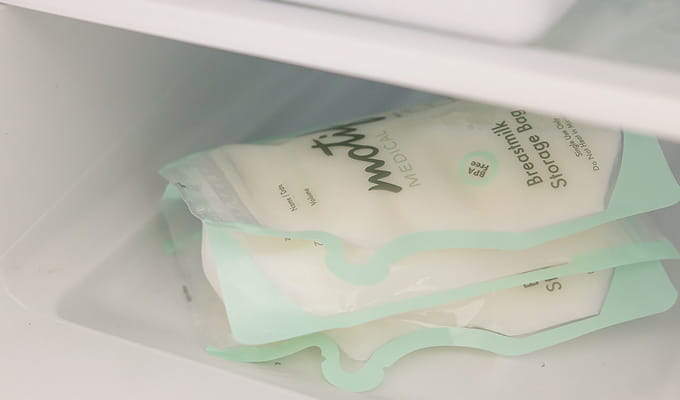
How to Store Your Breast Milk Care Guide
You may be planning to return to work or ready to build up a small stash of milk as baby begins taking a bottle. This guide shares the ins and outs of safe milk storage.

Pumping Room Facebook Group
Connect with other moms and our knowledgeable lactation providers in our Pumping Room Facebook group.
Qualify for Motherhood Essentials through Insurance
You can qualify for a breast pump at any time during pregnancy and up to one-year postpartum. See if you qualify for a pump, pregnancy & breastfeeding classes, milk storage bags and more through your insurance or log in to check on your account details.