Month-by-Month Pregnancy & Postpartum Guide
8 Months Pregnant
Weeks 32–35 - Third Trimester
Diving deep into the third trimester
As your due date approaches, you may be feeling a wide range of emotions—excitement about meeting your little one, nervousness about the labor process and how it will play out, and a sense of urgency to prepare everything in your life for the birth of your baby. You may also be experiencing some of the physical changes of pregnancy at full force. Pregnancy symptoms like breathlessness, leg cramps, and swelling can make moving around feel like a much bigger task. With the big day getting closer, you may even begin to experience nesting—this is the desire to prepare and organize your home for the arrival of your baby.
Weeks 32–35 of pregnancy are a time of rapid growth and development for your baby. Your baby is putting on fat during this time and likely weighs around 4–6 pounds—roughly the size of a cantaloupe! Your baby is also growing in strength daily and is refining their senses. It is likely that your baby's suck reflex has fully developed by the end of this month, which is going to be very helpful for breastfeeding!
What’s Your Body Doing at 8 Months Pregnant?
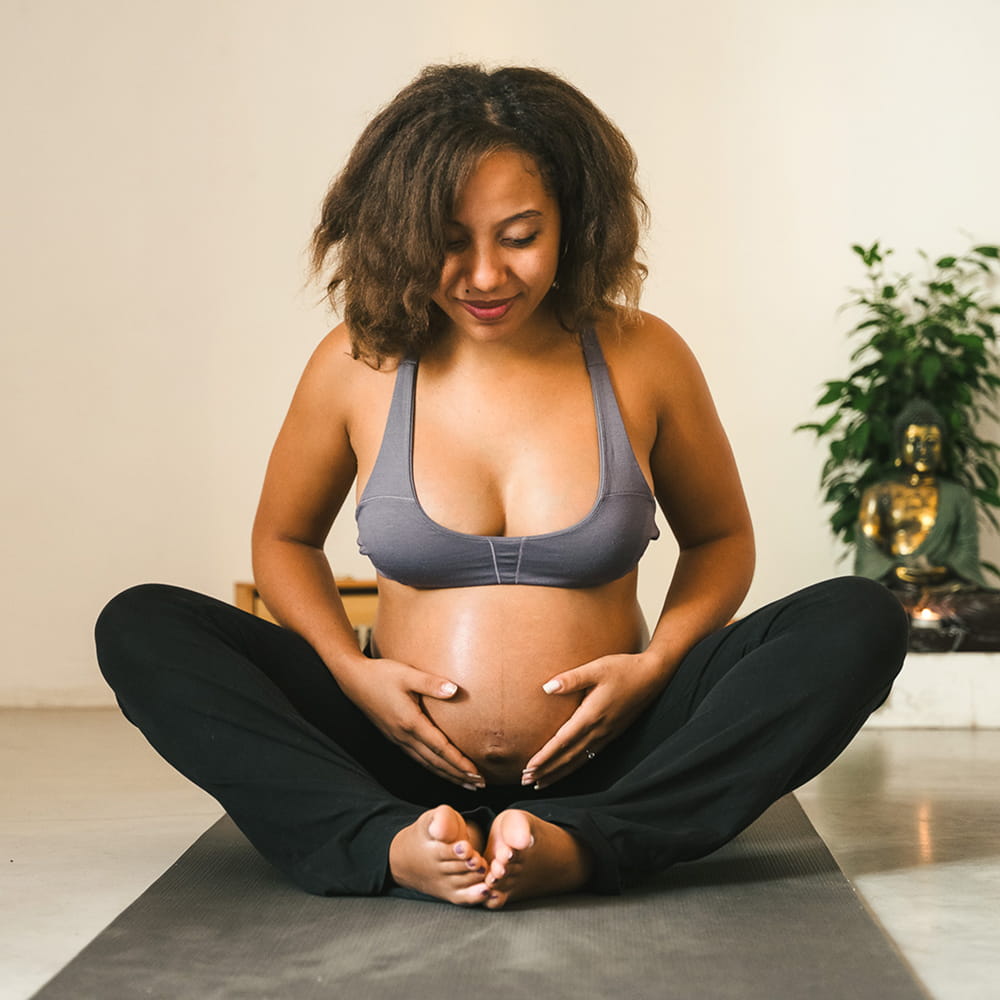
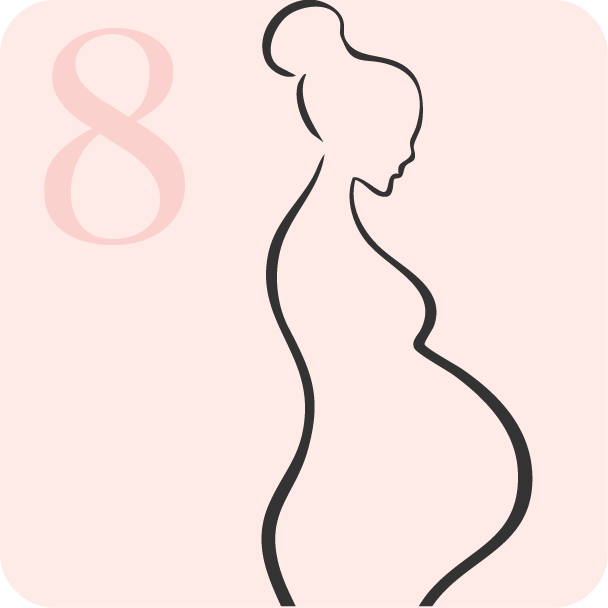
At eight months pregnant, your body is still making space for your rapidly growing baby. However, by the end of month eight and into month 9, your baby may move down into position for birth, causing a downward shift of your baby bump known as lightening. This downward motion may relieve some of the physical symptoms you’ve been feeling. Some physical changes you may be noticing include:
-
Weight gain of about ½–1 lb per week during your third trimester—totaling about 25–35 lbs by the end of your pregnancy.
-
Your uterus continues to expand and put pressure on nearby organs and structures.
-
Pressure on the bladder can cause frequent urination. Decreased space for full lung expansion may lead to feelings of breathlessness. Upward pressure on the stomach may contribute to reflux. Added pressure on your digestive system can sometimes slow digestion and cause constipation.
Feeling the urge to clean everything?
While nesting isn’t linked to a true scientific “instinct”, many moms may feel the urge to get everything ready and squeaky clean before baby’s arrival.
How You Might be Feeling at 8 Months Pregnant

Remember that everyone experiences pregnancy differently! Try not to compare your experience to someone else's. If you are feeling good during these weeks of pregnancy—that's great! If you have been or are starting to feel uncomfortable—lean on your support system and remind yourself that your body is doing the amazing work of growing a human!
Some common symptoms during month 8 include:
-
Feeling tired or fatigued
-
Aching joints and muscles, especially the lower back
-
Difficulty sleeping or interrupted sleep
-
Heartburn and indigestion
-
Constipation and hemorrhoids
-
You may start to feel Braxton Hicks contractions, or "practice contractions" towards the end of month eight
-
Swelling in the feet, legs, ankles, and hands due to water retention
-
Varicose veins (bulging blood vessels) and pelvic pressure
-
Nosebleeds—may happen more frequently now due to hormonal changes
-
Shortness of breath
-
Frequent urge to urinate
-
Round ligament pain—a common pregnancy discomfort caused by stretching ligaments as your uterus continues to make room for baby
Things to Do in Month 8 of Pregnancy
1. Continue biweekly prenatal visits
- Your provider will continue to monitor your blood pressure and check baby’s positioning—head down or breech presentation.
- Discuss signs of preterm labor and when to call your provider.
2. Continue to monitor and get to know your baby’s activity levels and patterns
- You’ll use fetal kick counts as a way of keeping track of these movements.
3. Prep for baby
- Wash and organize baby clothes and gear.
- Finalize childcare and postpartum support plans.
- Prepare your feeding plan—check out our Ultimate Breastfeeding Prep class for all of the information on starting your breastfeeding journey!
4. Wrap things up at work
- Keep a running checklist of tasks and projects you’ll need to hand off with links to helpful resources.
- Finalize maternity leave details with your employer and manager.
5. Pack your hospital bag
- Need some ideas? We've compiled a hospital bag checklist for you!
6. Keep up your protein, iron, and fiber intake and ensure proper hydration
-
Eat small frequent meals and avoid lying down after eating to manage reflux
-
Stay hydrated and increase fiber intake to prevent constipation
7. Rest when you can!
-
Rest throughout the day and practice gentle exercise like stretching, pelvic floor exercises, or prenatal yoga.
-
Use supportive pillows at bedtime to encourage restful sleep and try to sleep on your side.
We created a handy, downloadable checklist that includes the key things to do or think about this month. Simply download, save it on your phone, and bring it up whenever you need a reminder!
Wrap-Up

Weeks 32-35 are a time of growth, not only physically but mentally as well. You may be growing in patience as you await the arrival of your baby, folding tiny clothes, and setting up baby gear. You may also be growing in self-compassion as you find yourself waking up (sometimes repeatedly) to use the bathroom at night. Your growth may show up as perseverance, too, as you continue tackling work projects while navigating swollen ankles, backaches, and changing energy levels. Keep reminding yourself of the strength of your body. Tap into the connection that you are already forming with your baby—talk to your baby and key in on movements and patterns. Lean into your support network, and begin preparing for birth and postpartum with prenatal education and routine appointments.
FAQs
How many weeks is eight months pregnant?
8 months pregnant is 32–35 weeks of pregnancy, part of the 3rd trimester.
What are the common symptoms to expect at 8 months pregnant?
At 8 months pregnant, common symptoms include fatigue, backaches, difficulty sleeping, heartburn, constipation, stronger Braxton Hicks contractions, swelling, nosebleeds, breathlessness, and frequent urination.
How does my baby develop during the eighth month of pregnancy?
Your baby is developing very rapidly during the eighth month of pregnancy. Your baby is likely around 4–6 pounds and about 17–18.5 inches in length—to give a visual, your baby is roughly the size of a cantaloupe! This means that during these weeks, your baby is putting on a significant amount of fat. Your baby's organs are maturing and muscles are gaining strength. Those middle of the night kicks to your bladder are likely feeling pretty strong by now! Your baby's skin is becoming less wrinkled and that lanugo, or fine hair, that covered your baby's body is just starting to fall off. Your baby may also be moving into position for birth by the end of month eight!
What should I do if I feel unusual pain or discomfort at 8 months pregnant?
If you feel unusual pain or discomfort at this stage of pregnancy, please reach out to your healthcare provider right away. Trust your body and your instincts. Unusual pain could be a sign of pregnancy complications or even preterm labor. It would be very important to get assessed by your midwife or OB to check for signs of labor and to keep you and baby healthy and safe.
What tips can help me sleep better at 8 months pregnant?
Here are some tips for more restful sleep at 8 months pregnant:
-
Utilize support pillows—pillows behind your back and between your knees can increase comfort
-
Try to focus on sleeping on your side, which will help to promote circulation
-
Limit screens and caffeine before bedtime
-
Calm your body and mind before sleep by taking a warm bath, reading, or practicing deep breathing or meditation
-
Keep your room cool and dark to support your circadian rhythm
-
Are there any warning signs I should watch for in the 8th month of pregnancy?
Some warning signs to look out for in the 8th month of pregnancy include decreased fetal movement, leaking of amniotic fluid, severe abdominal pain, sudden swelling of the hands and/or face, difficulty breathing, or vision changes. Towards the end of your pregnancy, Braxton Hicks and shortness of breath can be common, but reach out to your healthcare provider if those signs are very persistent or severe.
Can I continue exercising while 8 months pregnant?
Yes, in general it is recommended with a healthy pregnancy to continue with moderate exercise daily into your eighth month of pregnancy. It is important to modify exercise to suit your growing body. This may look like limiting core exercises, avoiding lying directly on your abdomen, not partaking in high intensity or dangerous activities, or taking more frequent breaks.
What prenatal checkups or tests should I expect at 8 months pregnant?
You should expect biweekly prenatal appointments at 8 months pregnant. During these appointments your provider will assess your health as well as your baby's. For you—blood pressure, weight, and urine samples will be assessed to monitor your body's response to pregnancy. Fundal height will likely be measured to give a general idea of baby's growth and position and baby's heart rate will be assessed likely using a handheld Doppler.
Is it normal to feel anxious or emotional during the 8th month of pregnancy?
It can be very common to feel anxious or emotional during the 8th month of pregnancy. It may feel like a lot of change is on the horizon which can be both exciting and also nerve-wracking. Hormonal shifts and physical comfort may also play a role in how you are feeling emotionally. It is important to practice self-care during these weeks and to lean into your support system.
Helpful Resources
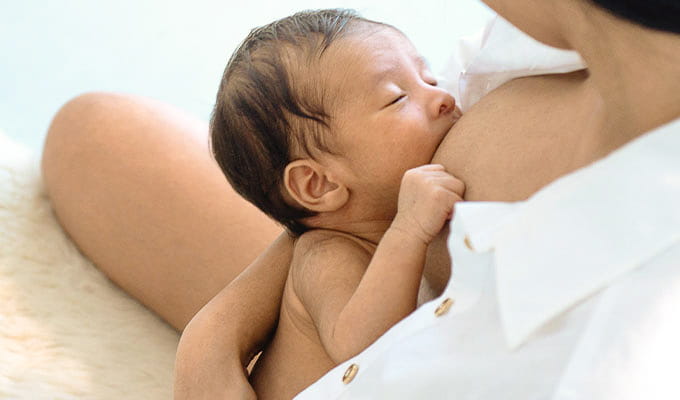
Ultimate Breastfeeding Prep Class
Learn about early feeding practices, latch and positioning, milk production, signs breastfeeding is going well, and so much more.

Birth Plan Questions to Ask Your Provider Care Guide
As you start to think about your birth plan, our lactation consultants have compiled a list of questions to think through and discuss with your provider.
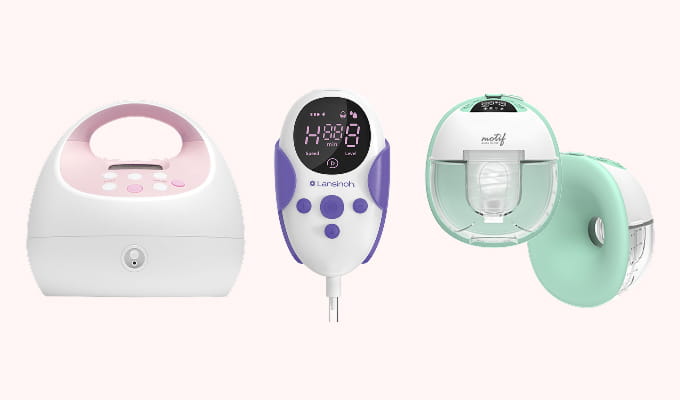
How to Choose the Right Breast Pump for You
Learn about the different types of breast pumps—standard, portable, and wearable—and find the best pump for you.
Qualify for Motherhood Essentials through Insurance
You can qualify for a breast pump at any time during pregnancy and up to one-year postpartum. See if you qualify for a pump, pregnancy & breastfeeding classes, milk storage bags and more through your insurance or log in to check on your account details.