Month-by-Month Pregnancy & Postpartum Guide
6 Months Pregnant
Weeks 23–27 - Second Trimester

You are nearing the end of your second trimester!
The third trimester is right around the corner! Your baby is growing rapidly during weeks 23–27, reaching roughly 12 inches in length and over a pound in weight.
As your baby puts on more fat, the vernix caseosa begins to form and cover your baby's body. Vernix is a white, creamy film that helps protect your baby’s skin, supports moisture retention, and may play a role in immune protection.
Along with increasing in size, your baby's senses are continuing to develop—you may notice that baby is beginning to respond to sounds, including your voice! Your baby is practicing breathing movements (they are still receiving oxygen through the placenta) and even beginning sleep and wake patterns during the sixth month. You may feel stronger kicks and jabs and even visible movements on your belly as your baby is testing out those reflexes. All of this rapid fetal development may mean that your baby bump is really starting to "pop" as you approach your third trimester!
What’s Your Body Doing at 6 Months Pregnant?

Your body is hard at work accommodating your growing baby. Some people may still be feeling comfortable physically, while others will start to experience increased aches and pains related to a changing body. Some discomforts could be related to increased blood flow, a changing center of gravity, and skin changes like stretching. Some physical changes to note at this point in pregnancy include:
-
Steady weight gain continues. Many people have gained around 10–14 pounds by this stage, though this varies.
-
Your uterus will grow to roughly the size of a grapefruit by the end of 6 months of pregnancy—extending above your belly button. Your provider will measure your fundal height in centimeters.
-
Internal organs are displaced slightly to make room for this uterine growth:
-
Your stomach and intestines are pushed upwards, making heartburn a common side effect.
-
The bladder is compressed as your uterus expands, causing frequent urination.
-
The lungs and diaphragm shift up, sometimes making it harder to take deep breaths.
-
You may notice leaking from your breasts as you begin producing your first milk—colostrum.
Fundal height, what is it?
It’s a measurement taken (in centimeters) from the top of your pubic bone to the top of your uterus. This measurement will help your provider track your baby’s growth. It often corresponds roughly to your weeks of pregnancy, give or take a few centimeters. By the end of month six, it’s likely your fundal height will be around 27 centimeters.
How You Might Be Feeling at 6 Months Pregnant

Month six of pregnancy may be filled with a mix of emotions! You may still be in the ‘honeymoon phase’ of the second trimester—increased energy, joy from noticing that growing belly, excitement from feeling your baby's first movements. You may also notice feelings of overwhelm or anxiety start to pop up as the reality of parenthood starts to feel more real. Fatigue, reminiscent of that first trimester, can trigger irritability, and mood swings may persist due to those pregnancy hormones. Now is a good time, if you haven't already, to prioritize self-care and open communication with your partner or support people.
Some physical symptoms you may be feeling during this month include:
-
More noticeable kicks and movement
-
Fatigue returning
-
Leg cramps
-
Backaches
-
Constipation
-
Heartburn
-
Swelling in the feet or ankles
-
Stretching of the skin may cause itchiness or stretch marks
While these are common pregnancy symptoms, if any are disruptive to your day-to-day life, please discuss with your healthcare provider.
Things to Do in Month 6 of Pregnancy
1. Attend your routine prenatal visit
- Discuss the glucose tolerance test for gestational diabetes, which usually happens around 24–28 weeks, with your healthcare provider.
2. Research childbirth and breastfeeding classes
- Check out our Birth and Breastfeeding virtual option, it’s a two-part series.
- Review your birth plan preferences, make sure to discuss these preferences with your partner and support people as you get closer to your due date.
3. Continue planning for baby
- If you have one, continue adding to your baby registry. It can also include things for yourself, even a meal train!
- Research childcare and consider touring facilities and adding your name to a list, if needed.
4. Look into your insurance coverage for your breast pump
- Check your eligibility for a standard, portable, or wearable breast pump through insurance.
5. Focus on balanced nutrition and gentle movement
- Continue to eat high-fiber foods to help with constipation and stay hydrated by drinking plenty of water.
- Stay active by walking or with gentle exercises like prenatal yoga. You can change your exercise routine as your growing belly shifts your center of gravity.
- Try pelvic floor therapy or simple exercises.
We created a handy, downloadable checklist that includes the key things to do or think about this month. Simply download, save it on your phone, and bring it up whenever you need a reminder!
Wrap-Up

The end of the second trimester is full of many changes, both physical and emotional. Your pregnancy may be quite visible by this point. These physical changes may be welcomed—you may find yourself snapping pictures of your growing bump and smiling when you feel those strong baby kicks. You may also feel some of the more unwelcome discomforts associated with pregnancy—backaches, swollen feet, and constipation. This is an important time to prioritize communication with your support people. Make time to discuss birth preferences with your support persons, ask your provider questions at those prenatal appointments, and research the resources that are available to you.
FAQs
How many weeks is six months pregnant?
6 months pregnant is 23–27 weeks of pregnancy, part of the 2nd trimester.
What symptoms are common at 6 months pregnant?
At six months pregnant common symptoms include stronger and increased fetal movements, fatigue, backaches, leg cramps, constipation, heartburn, swelling of the feet and ankles, mood swings, and stretch marks.
How is my baby developing at 6 months of pregnancy?
Your baby is growing rapidly at six months of pregnancy! Your baby is putting on fat and is growing to about the size of a grapefruit—roughly about 12 inches and 1.5 to 2 pounds. Your baby's senses and reflexes are continuing to develop. Your baby can hear your voice, your heartbeat, and can likely tell when it is time for your lunch by the sound of your rumbling belly! Those little kicks and jabs are getting stronger as your baby explores those reflexes and is even practicing breathing at this stage of development. However, your baby’s lungs are still developing, with important structures forming. By the end of month six, your baby is approaching the point of viability (around 24 weeks), when survival outside the womb may be possible with intensive medical care, but risks remain high this early.
What changes should I expect in my body at 6 months pregnant?
Some physical changes to expect at six months pregnant include a growing and noticeable baby bump, increased and stronger fetal movements, backaches due to strain as your belly shifts your center of gravity, fluid retention causing swelling of the feet and ankles, and heartburn as your uterus pushes up onto your stomach. Some women may also experience skin changes, carpal tunnel, Braxton hicks contractions, and nasal congestion.
Is it normal to feel more tired or emotional at six months pregnant?
Yes, it is very normal to feel more tired and emotional at six months pregnant. Fatigue can make a reappearance due to increased physical demands related to your growing body, shifting hormones, and sleep disturbances due to frequent urination and body aches. Emotional ups and downs are also common during this phase of pregnancy.
What foods and nutrients are most important at 6 months pregnant?
During this month of pregnancy it is recommended that you focus on foods high in protein, iron, folate, calcium, healthy fats, and fiber. Eating a wide variety of fruits, vegetables, nuts, beans, and whole grains will help you to get in all of these vital nutrients.
What prenatal checkups and tests usually happen at 6 months?
At six months pregnant you will continue to have your routine prenatal appointments during which your healthcare provider will assess weight, fundal height, fetal heart rate, blood pressure, and collect a urine sample. These visits are also a great time to ask questions and begin discussing your birth preferences. Around weeks 24–28 you will likely also have a glucose tolerance test scheduled to check for gestational diabetes.
How much weight gain is typical at 6 months pregnant?
It is likely that you have gained around 10–14 lbs. at this stage of pregnancy. Keep in mind that recommended weight gain does vary based on your pre-pregnancy BMI (Body Mass Index). The most important factor is steady weight gain during your pregnancy—about 0.5 to 1 pound per week during the second and third trimesters.
Should I be feeling my baby move regularly at 6 months pregnant?
Movements are usually more noticeable and frequent now, though patterns may still vary! Those movements have likely become more noticeable and frequent. If you are at all concerned about your baby's movements, reach out to your healthcare provider right away.
Helpful Resources
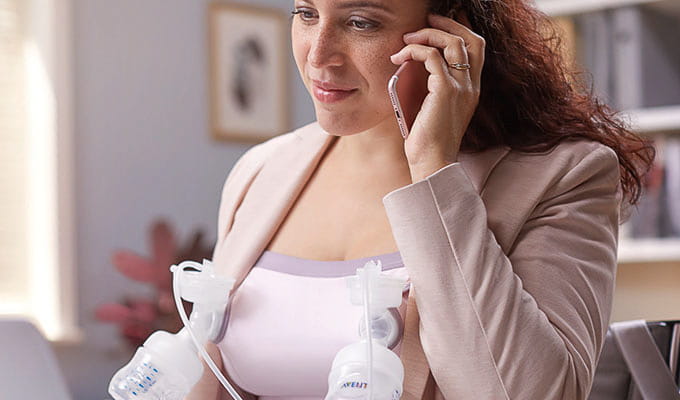
Navigating Maternity Leave Class
60-minute class to help you plan for maternity leave and return to work as well as understand your rights at work during pregnancy and postpartum.

Birth & Breastfeeding Part 1 & 2 Classes
Prepare for the stages of labor and birth, prep for breastfeeding after birth, and learn about birth planning in these two 60-minute classes.

How to Choose the Right Breast Pump for You
Learn about the different types of breast pumps–standard, portable, and wearable–and find the best pump for you.
Qualify for Motherhood Essentials through Insurance
You can qualify for a breast pump at any time during pregnancy and up to one-year postpartum. See if you qualify for a pump, pregnancy & breastfeeding classes, milk storage bags and more through your insurance or log in to check on your account details.