Pregnancy Recipes: Healthy Meals & Snacks for Each Trimester
- By Aeroflow Breastpumps
- Jun 24, 2026
Congratulations on your pregnancy! Between morning sickness, food aversions, sudden cravings, and a body with entirely new nutritional needs, figuring out what to eat can feel like its own full-time job—right when you have the least energy for it.
This collection of healthy pregnancy recipes takes that work off your plate. You'll find simple, flavorful, trimester-based meals and snacks built around the nutrients you and your baby need most. They include fruits, vegetables, whole grains, lean protein, and healthy fats that support maternal health, fetal growth and development, postpartum recovery, and even breastfeeding.
Every trimester brings something new, and these recipes are designed to meet you where you are. They're nourishing, practical, and built for real life during this special time.
Pregnancy Nutrition Essentials
During pregnancy, your body has increased nutrient needs to support fetal development and maternal health. Prioritizing nutrient-rich foods can provide the key nutrients needed throughout pregnancy, including:
Folate: This essential B vitamin helps prevent birth defects of the brain and spine while supporting the growth and development of the fetus and placenta during pregnancy. Good sources of folate include dark leafy greens, legumes, citrus fruits, and fortified grains.
Choline: As a cornerstone nutrient for maternal and fetal health during pregnancy, choline supports neural tube formation, brain development, liver function, fat metabolism, maternal well-being, and favorable birth outcomes. Choline is found in egg yolks, meat and poultry, salmon, cod, dairy products, soybeans, and peanuts. Broccoli, Brussels sprouts, and quinoa supply moderate amounts of choline.
Protein: Vital for the growth of maternal and fetal tissues and organs, protein contributes to your baby’s development throughout pregnancy. Protein-rich foods include chicken, fish, eggs, legumes, nuts, seeds, and tofu.
Healthy Fats: Omega-3 fatty acids, particularly DHA, are important for fetal brain and eye development during pregnancy. Sources of omega-3s include low-mercury fatty fish (more on this below), ground flaxseed, walnuts, chia seeds, and edamame.
Iron: Pregnancy raises your body's demand for iron, which helps deliver oxygen to your baby and reduces your risk of iron-deficiency anemia. Food sources of iron include lean red meat, poultry, fish, and plant-based options like tofu, lentils, and other legumes. Pairing iron-rich foods with vitamin C-rich foods—like red peppers or oranges—may improve iron absorption.
Calcium: During pregnancy, calcium plays an important role in supporting the development of your baby’s bones and teeth. Calcium is found in dairy products, leafy greens, calcium-set tofu, and fortified plant-based milks.
Vitamin D: During pregnancy, vitamin D is important for immunity, calcium balance, maternal bone health, and fetal bone development. Research suggests it may also be associated with a lower risk of certain pregnancy complications. Sources include sunlight, salmon, cod liver oil, UV-exposed mushrooms, and vitamin D-fortified milk. Supplementation is often recommended.
While these key nutrients are important, a balanced eating pattern centered on a variety of fruits, vegetables, whole grains, and protein-rich foods builds a strong nutritional foundation throughout pregnancy. Remember, you don't need to eat perfectly to support a healthy pregnancy. Small, consistent choices can make a meaningful difference. The pregnancy recipes below are designed to help you incorporate these important nutrients into everyday meals and snacks without adding stress to your plate.
Managing Morning Sickness & Nausea
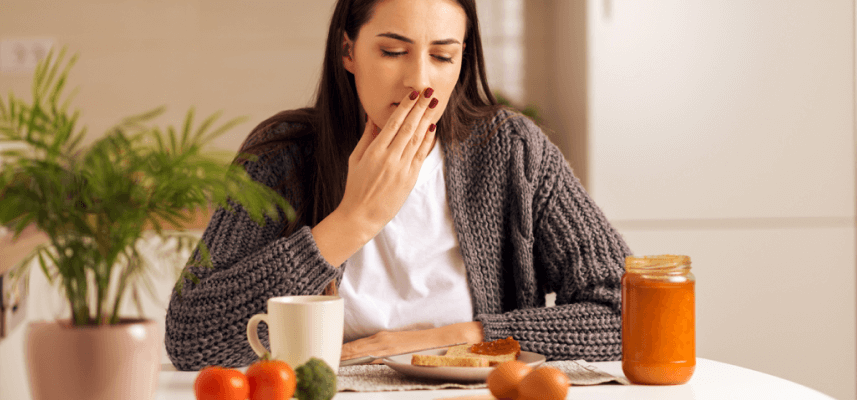
Morning sickness, which can include nausea, vomiting, or both, is one of the most common pregnancy symptoms. Despite its name, it can occur at any time of day and is most common between weeks 9–14 of pregnancy. An estimated 70 to 80% of pregnant women experience some degree of morning sickness during pregnancy.
If you're struggling to keep food down or finding that many of your usual favorites suddenly seem unappealing, you're not alone. While there is no one-size-fits-all solution, small changes to your eating habits, daily routine, and food choices may help ease symptoms and make it easier to meet your nutritional needs during this stage of pregnancy.
Eat small, frequent meals of bland protein-rich foods
The American College of Obstetricians and Gynecologists (ACOG) recommends up to six “mini meals” throughout the day to avoid long periods with an empty stomach, which can worsen nausea. Breakfast can be one of the most challenging meals during pregnancy, especially if you're experiencing morning sickness or food aversions. Choosing simple meals that combine protein, healthy fats, fiber, and key nutrients like choline and folate can help support steady energy levels while nourishing both you and your growing baby.
Try dry toast or crackers before getting out of bed in the morning, and reach for simple, low-fat options like bananas, rice, and applesauce, plus protein sources such as eggs, beans, nuts, nut butters, and dairy, which may be easier to tolerate. Avoid spicy or greasy foods, especially in the evening or when you're feeling queasy.
Try ginger or lemon when nausea starts
Research suggests ginger may be a safe and effective way to ease nausea and vomiting during pregnancy. Try steeping fresh ginger slices in hot water. Lemon aromatherapy has been shown to help; smelling or sucking on a lemon when nausea hits may offer quick relief.
Stay hydrated
Drink 10–12 cups (80–96 fluid ounces) of water throughout the day. Coconut water or clear broths can help replace fluids lost through vomiting and lower your risk of dehydration.
Take your prenatal vitamins before bed
Prenatal vitamins that contain iron may worsen nausea for some people. Try taking it with a snack right before bed instead of on an empty stomach.
Avoid strong smells
Certain odors that never bothered you before might suddenly trigger nausea. Use a fan while cooking, eat outdoors when possible, open windows for ventilation, or ask someone else to handle tasks like taking out the trash.
Coping with Food Aversions
Food aversions are common during pregnancy, affecting at least half of pregnant women, and often go hand in hand with the smell sensitivities above. If you find yourself repelled by certain foods or flavors, these tips may help:
Find alternative sources of nutrients
If a food is difficult to tolerate, swap in another with similar nutritional value—if meat is unappealing, try plant-based proteins like beans, lentils, tofu, nuts, or seeds instead.
Experiment with different flavors and textures
Changing how a food is prepared, seasoned, or paired with ingredients can sometimes make it more appealing.
Don't force yourself
It's okay to temporarily avoid a food that's unappealing, just focus on getting your nutrients elsewhere in the meantime. Occasional, moderate cravings for less nutrient-dense foods are normal too. If cravings ever extend to non-food items, that's a condition called pica—let your healthcare provider know if this happens.
Simple, Healthy Pregnancy Recipes for Each Trimester
We've curated a collection of easy, nutrient-dense recipes to support you throughout your pregnancy journey. These recipes are designed to be quick to prepare, with minimal ingredients and hands-on time, so you can focus on taking care of yourself and your growing baby.
First Trimester Pregnancy Recipes
The first trimester often brings the most intense morning sickness and food aversions, so these recipes lean on the same ginger and lemon that help settle nausea, while still delivering the folate and choline your baby needs most during this early stage of fetal development.
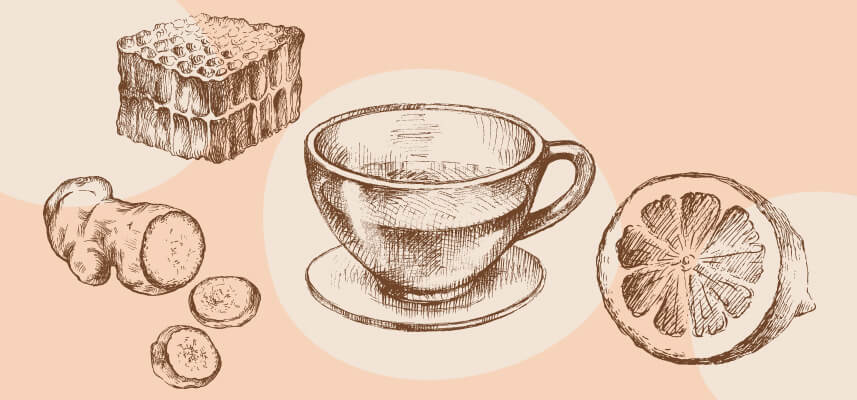
Ginger-Lemon Tea
- Prep Time: 5 minutes
- Cook Time: 5 minutes
- Serves: 1
Ingredients:
- 1 cup water
- 1-inch piece of fresh ginger, sliced
- 1/2 lemon, juiced
- 1 teaspoon honey (optional)
Instructions:
- In a small saucepan, bring the water to a boil.
- Add the sliced ginger to the boiling water and reduce the heat to low. Simmer for 5 minutes.
- Strain the ginger tea into a mug and stir in the lemon juice and honey (if using).
- Sip the tea slowly while it's still warm to help alleviate nausea and settle your stomach.
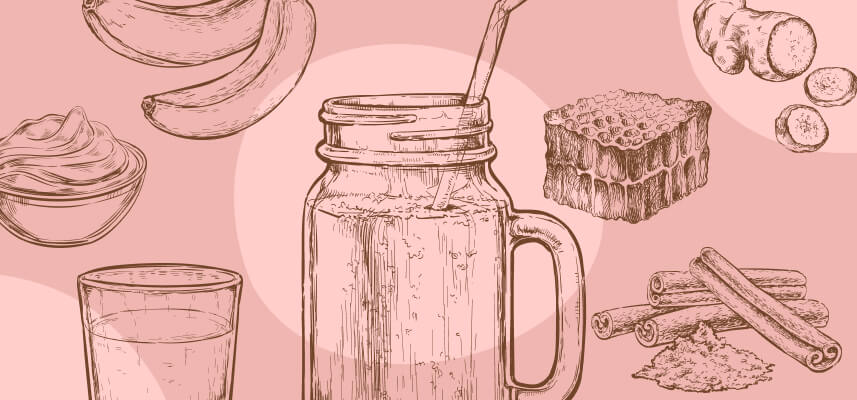
Ginger-Banana Smoothie
- Prep Time: 5 minutes
- Cook Time: 5 minutes
- Serves: 1
Ingredients:
-
1 frozen banana
-
1/2 cup plain Greek yogurt
-
1/2 cup almond milk
-
1 tsp grated fresh ginger
-
1/4 tsp cinnamon
-
1 tsp honey (optional)
Instructions:
-
Add all ingredients to a blender and blend until smooth.
-
Pour into a glass and enjoy immediately.
Second Trimester Pregnancy Recipes
As nausea typically eases and your appetite returns, the second trimester is a good time to focus on iron, calcium, and protein-rich meals that support your baby's rapid growth, like the quinoa, leafy greens, and lentils featured below.
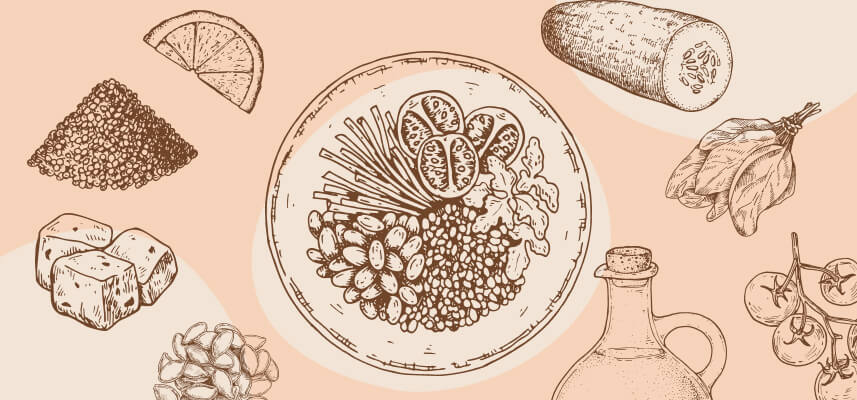
Spinach and Quinoa Salad
- Prep Time: 10 minutes
- Cook Time: 15 minutes
- Serves: 4
Ingredients:
- 1 cup quinoa, rinsed
- 2 cups water
- 4 cups baby spinach
- 1 cup cherry tomatoes, halved
- 1/2 cucumber, diced
- 1/4 cup crumbled feta cheese
- 1/4 cup toasted pumpkin seeds
- 2 tablespoons olive oil
- 1 tablespoon lemon juice
- Salt and pepper to taste
Instructions:
- In a medium saucepan, combine the rinsed quinoa and water. Bring to a boil, then reduce the heat to low, cover, and simmer for 15 minutes or until the quinoa is tender and the water is absorbed.
- Remove the quinoa from the heat and let it cool for 5 minutes. Fluff with a fork.
- In a large bowl, combine the baby spinach, cherry tomatoes, cucumber, feta cheese, and pumpkin seeds.
- Add the cooled quinoa to the bowl and gently toss to combine.
- In a small bowl, whisk together the olive oil, lemon juice, salt, and pepper. Drizzle the dressing over the salad and toss to coat.
- Serve the salad at room temperature or chilled.
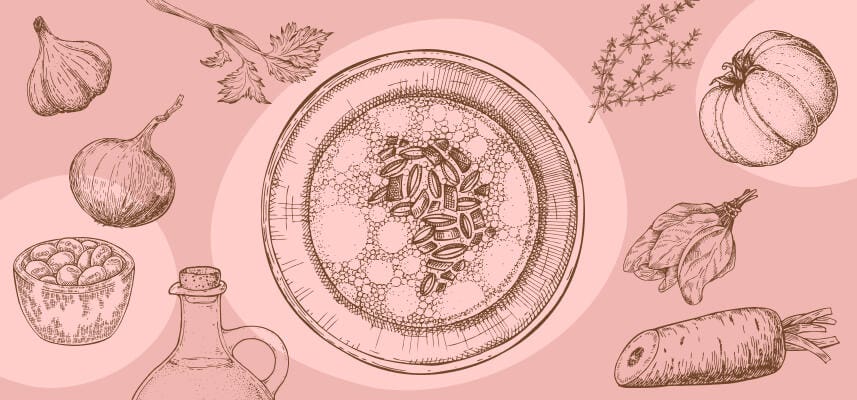
Lentil and Vegetable Soup
- Prep Time: 20 minutes
- Cook Time: 25 minutes
- Serves: 4
Ingredients:
-
1 tbsp olive oil
-
1 onion, diced
-
2 carrots, diced
-
2 celery stalks, diced
-
2 cloves garlic, minced
-
1 cup dry red lentils, rinsed
-
4 cups vegetable broth
-
1 can (14 oz) diced tomatoes
-
1 tsp dried thyme
-
Salt and pepper to taste
-
2 cups baby spinach
Instructions:
-
Heat oil in a pot over medium heat. Add onion, carrots, celery and sauté for 5 minutes.
-
Stir in garlic, lentils, broth, tomatoes, thyme, salt and pepper. Bring to a boil.
-
Reduce heat, cover and simmer for 20 minutes or until lentils are tender.
-
Stir in spinach until wilted. Serve hot.
Third Trimester Pregnancy Recipes
In the third trimester, your body's demand for omega-3s, protein, and calcium peaks to support your baby's brain development and prepare you for postpartum recovery, so these recipes lean on nutrient-dense staples like salmon and lean protein.
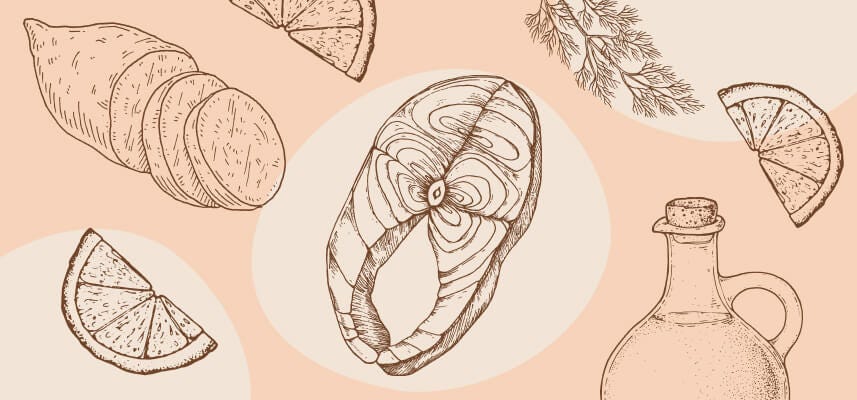
Baked Salmon with Sweet Potatoes
- Prep Time: 10 minutes
- Cook Time: 25 minutes
- Serves: 2
Ingredients:
- 2 (4 oz) salmon fillets
- 1 tablespoon olive oil
- 1 teaspoon lemon juice
- 1/2 teaspoon dried dill
- Salt and pepper to taste
- 2 medium sweet potatoes, cut into wedges
- 1 tablespoon olive oil
- 1/2 teaspoon paprika
- 1/4 teaspoon garlic powder
- Salt and pepper to taste
Instructions:
- Preheat the oven to 400°F (200°C). Line a baking sheet with parchment paper.
- In a small bowl, whisk together 1 tablespoon olive oil, lemon juice, dill, salt, and pepper. Brush the mixture over the salmon fillets.
- In a separate bowl, toss the sweet potato wedges with 1 tablespoon olive oil, paprika, garlic powder, salt, and pepper until evenly coated.
- Arrange the salmon fillets and sweet potato wedges on the prepared baking sheet.
- Bake for 20-25 minutes, or until the salmon is cooked through and the sweet potatoes are tender and lightly caramelized.
- Serve the baked salmon and sweet potato wedges immediately, garnished with fresh herbs if desired.
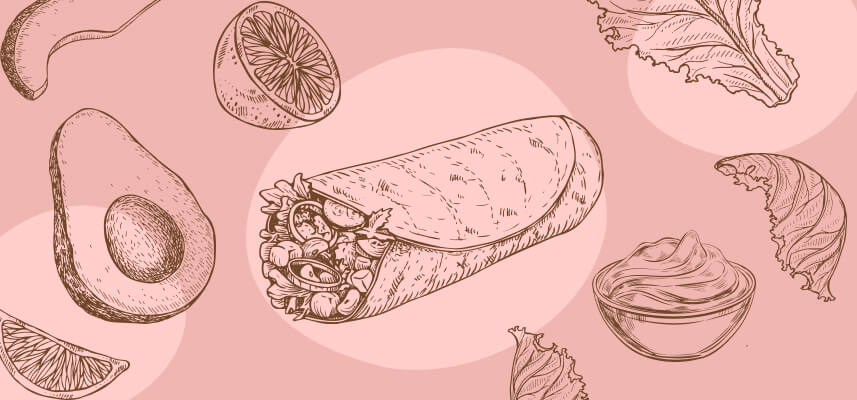
Chicken and Avocado Wrap
- Prep Time: 5 minutes
- Cook Time: 5 minutes
- Serves: 1
Ingredients:
-
1 whole grain tortilla
-
3 oz cooked chicken breast, sliced
-
1/4 avocado, sliced
-
1/4 cup shredded lettuce
-
1 tbsp Greek yogurt
-
1 tsp lime juice
-
Salt and pepper to taste
Instructions:
-
In a small bowl, mash avocado with Greek yogurt, lime juice, salt and pepper.
-
Heat up tortilla on griddle or pan.
-
Spread avocado mixture on tortilla. Top with chicken, lettuce.
-
Roll up tightly, slice in half and enjoy.
What Are Healthy Pregnancy Snacks for Cravings?
Pregnancy cravings can be opportunities to incorporate nutrient-rich foods into your day. While the pregnancy recipes above provide nourishing options, sometimes you may want something quicker and lighter.

Easy and Nutritious Pregnancy Snack Ideas
When hunger strikes between meals, nutrient-dense snacks can help curb cravings, stabilize blood sugar levels, and provide important nutrients to support a healthy pregnancy.
-
Greek yogurt with berries and granola: This protein-rich breakfast or snack nourishes your body with calcium, fiber, and antioxidants.
-
Hummus with vegetable sticks: Hummus is a good source of folate, iron, and plant-based protein, while colorful vegetables provide vitamins and minerals.
-
Apple slices with almond butter: An oldie, but a goodie. This snack combines fiber, healthy fats, and protein, which promotes steady energy levels and helps you feel satisfied until your next meal.
-
Hard-boiled eggs: Choline is essential for fetal brain development, and eggs are an excellent source of choline, iron, and protein.
-
Whole-grain toast with avocado: This snack provides a balance of complex carbohydrates, healthy fats, and fiber to support digestion and maintain energy levels.
10 More Pregnancy-Friendly Snacks
If you want even more variety to keep up with your cravings, here are 10 additional pregnancy-friendly snacks that pack in nutrients like protein, fiber, and healthy fats.
-
Cottage cheese with sliced tomatoes and cracked black pepper is high in protein.
-
Roasted chickpeas seasoned with cumin, paprika, and garlic powder is a seasoned dish that provides plant-based protein.
-
Frozen grapes or blueberries provide a sweet, refreshing treat. They are rich in vitamins, minerals, and fiber.
-
Whole grain crackers with sliced cucumber and cream cheese are quick and filling.
-
Chia seed pudding made with almond milk and topped with fresh fruit is full of nutrients and can be customized to suit your changing tastes.
-
Smoothie bowl blended with spinach, frozen banana, and almond butter is a sweet, filling snack to enjoy for breakfast or any time of day.
-
Homemade trail mix with nuts, seeds, dried fruit, and dark chocolate chips is great for snacking on the go!
-
Turkey and avocado roll-ups with whole grain tortillas are fast, easy, and portable.
-
Baked sweet potato chips sprinkled with sea salt and smoked paprika turn a classic snack into something special.
-
Edamame pods lightly steamed and sprinkled with sea salt are another way to work plant-based protein into your diet. Enjoy them on their own, or add them to salads and bowls for added health benefits.
These nutrient-dense snacks provide a balance of protein, fiber, healthy fats, and essential vitamins and minerals to contribute to your nutritional needs during pregnancy. Most important, they are easy and quick to prepare.
Foods to Limit or Avoid During Pregnancy
While it's important to focus on eating nutrient-dense foods during pregnancy, certain foods and beverages are best limited or avoided to reduce the risk of foodborne illness and other pregnancy-related concerns.
While it's crucial to focus on consuming nutrient-dense foods during pregnancy, there are certain items that should be limited or avoided to minimize the risk of foodborne illnesses and potential harm to your developing baby:
Raw or undercooked meats, poultry, eggs, and seafood: These foods may contain harmful bacteria like Salmonella or Listeria.
Unpasteurized dairy products and soft cheeses: Soft cheeses like Brie, Camembert, and queso fresco may harbor Listeria if made from unpasteurized milk.
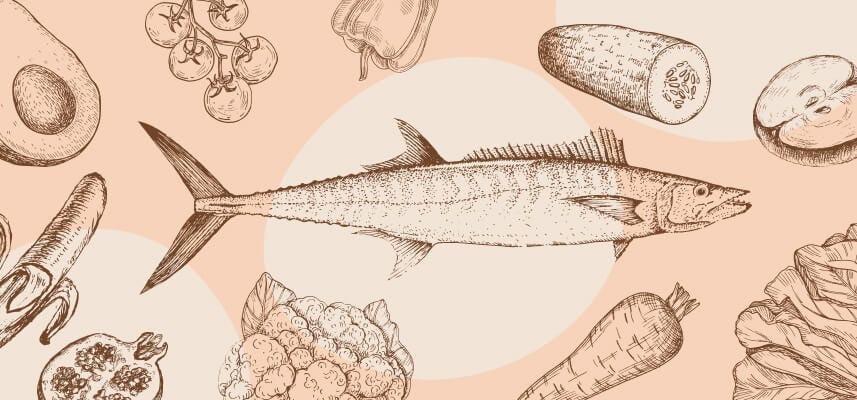
High-mercury fish: Avoid fish with high mercury levels, such as shark, swordfish, king mackerel, and tilefish, as mercury can harm fetal brain development.
Unwashed produce: Thoroughly wash all fruits and vegetables to remove potential contaminants like toxoplasmosis.

Caffeine: Limit caffeine intake to less than 200 mg per day, as excessive consumption may increase the risk of miscarriage and low birth weight.
Alcohol: It's best to avoid alcohol entirely during pregnancy, as there is no known safe amount of consumption. Instead, try a drink from our list of pregnancy-friendly mocktails to enjoy!
If you have any concerns about your diet or specific food choices during pregnancy, consult with your healthcare provider for personalized guidance.
Raw or undercooked meats, poultry, eggs, and seafood
These foods may contain harmful bacteria like Salmonella or Listeria, which can lead to serious infections during pregnancy. Cook meat and poultry to a safe internal temperature, and choose pasteurized egg products if you're craving dishes like homemade Caesar dressing or cookie dough.
Unpasteurized dairy products and soft cheeses
Soft cheeses like Brie, Camembert, and queso fresco may harbor Listeria if made from unpasteurized milk, which can cause illness in both you and your baby. Check labels for "pasteurized" before buying, or look for hard cheeses like cheddar and Swiss, which are generally considered safe.
High-mercury fish
Avoid fish with high mercury levels, such as shark, swordfish, king mackerel, and tilefish, as mercury can harm fetal brain development. Instead, opt for low-mercury choices like salmon, shrimp, and cod, which still provide beneficial omega-3s without the same risk.
Unwashed produce
Thoroughly wash all fruits and vegetables to remove potential contaminants like toxoplasmosis. Even produce you plan to peel should be rinsed first, since bacteria can transfer from the skin to the inside as you cut.
Food for Thought
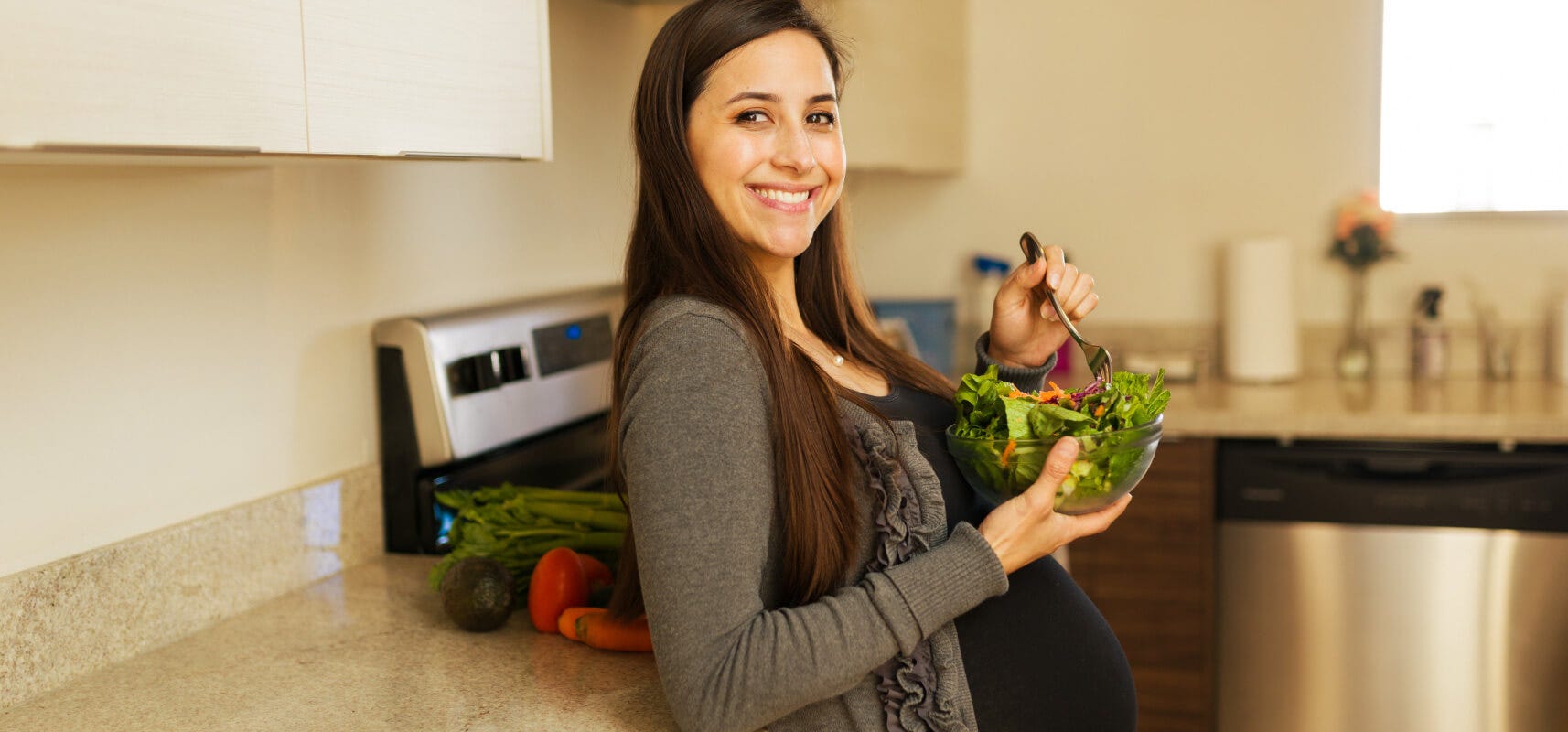
Nourishing your body during pregnancy is one of the most meaningful things you can do for yourself and your baby—and you don't have to do it alone. Consider asking family or friends to start a meal train or help prepare snacks and meals during pregnancy and for the first few weeks postpartum. Whether you're cooking for yourself or leaning on others, incorporating a variety of nutrient-rich ingredients and easy-to-prepare pregnancy recipes supports your health and your baby's development now while laying the foundation for breastfeeding later on. Every pregnancy is unique, so listen to your body and adjust as your needs and preferences change.
As you navigate the joys and challenges of pregnancy, know that Aeroflow Breastpumps is here to support you along the way! From sharing prenatal nutrition guidance to helping you obtain a breast pump through insurance, we are committed to providing the resources and support you need to thrive during this special time. By prioritizing your own nourishment and well-being, you are building a strong foundation for pregnancy, postpartum recovery, and beyond. We’re grateful to be a part of your pregnancy and postpartum experience!