Breastfeeding with Nipple Piercings
- By Aeroflow Breastpumps
- May 11, 2026

If you have nipple piercings and are planning to breastfeed, you may be wondering: Is it safe to breastfeed with nipple piercings? or Will nipple piercings affect breastfeeding or milk flow?
These are common and important questions. Whether you got your piercings years ago or are considering them now, we'll walk you through everything you need to know to breastfeed your little one safely and comfortably.
How Nipple Piercings Affect Breastfeeding
To understand how nipple piercings may affect breastfeeding, it helps to know a bit about breast anatomy. Nipple piercings typically pass through the base of the nipple, and while they can sometimes affect nearby milk ducts, most women are still able to breastfeed successfully.
However, there are important considerations that can impact your breastfeeding experience.
Common Nipple Piercing Risks
If you’ve already had your nipples pierced, your professional piercer likely informed you that nipple piercings can take a long time—up to an entire year or more—to fully heal. Nipple tissue is more delicate than, say—your ear lobes—due to nearby ducts and blood vessels. Also, given the location of this body piercing, friction from clothing and physical activity can irritate nipple piercings, prolonging healing.
Some of the more common concerns include:
-
Infection: This can occur locally or, in rare cases, systemically (affecting your entire body). Estimates suggest infection rates may range from 10 to 20% in nipple piercings.
-
Rejection: The body may attempt to push out the jewelry over time. This is a natural reaction to the insertion of a foreign object.
-
Irritation or delayed healing: Especially with friction or inadequate proper cleaning and care.
-
Mastitis: Though less common, breast infections—including abscess—can sometimes occur after a nipple piercing.
If a piercing is not fully healed, breastfeeding may increase the risk of infection. Ideally, nipple piercings should be given time to fully heal before breastfeeding begins, helping reduce the chance of your baby’s saliva entering the piercing site during feedings and introducing bacteria. If this isn't possible, removing your jewelry and allowing the piercing to close before breastfeeding is the most effective way to minimize this risk.
Breastfeeding with Nipple Piercings: What to Expect

In most cases, nipple piercings do not directly interfere with milk production, since milk is produced in glandular tissue behind the nipple. However, in some cases a nipple piercing might damage or clog one or more milk ducts. While this does not occur often, when it does, it can affect the flow of milk.
Other possible impacts on breastfeeding may include:
-
Scar tissue formation, including keloids (benign overgrowth of tissue), which may affect how milk is released during breastfeeding or pumping.
-
Latch challenges in some babies, especially if the piercing or jewelry has left structural changes to the nipple.
-
Changes in milk flow, such as a more forceful or faster milk flow from extra holes or openings in the nipple. With a proper latch this is usually manageable, but it can take time for some babies to adjust.
-
Increased leaking between feedings due to the additional openings. Breast pads can help—just be sure to change them often so your skin stays dry and comfortable
-
Pumping considerations, including making sure to properly clean breast pump parts after each session, which helps reduce the risk of infection.
If you have questions or notice any challenges with feeding, a lactation consultant can help you navigate what’s normal and what might need extra support.
Piercings and Pregnancy Safety: Tips and Best Practices
Removing Your Nipple Jewelry
During pregnancy and breastfeeding, your breasts and nipples undergo significant changes. Even fully healed piercings can change during pregnancy as your breasts prepare for lactation. Everybody—and every pregnancy and lactation journey—is a little different.
Many providers recommend removing nipple jewelry by the sixth month of pregnancy, though generally, the earlier, the better. This is a good topic to discuss with your healthcare provider.
During breastfeeding, jewelry should always be removed before every breastfeeding session to protect your baby. It is not safe to breastfeed with nipple jewelry in place, even temporarily. Nipple jewelry is a choking hazard and can also make it more challenging for your baby to latch. It may also cause injury inside your baby’s mouth, even if the jewelry does not appear sharp or decorative.
Caring for Your Piercings
Removing nipple jewelry in the second trimester (or earlier), and keeping it out through the full duration of breastfeeding, may reduce the risk of infections or other complications.
That said, if you decide to reinsert jewelry after each feeding, it is crucial to maintain good hygiene practices.
-
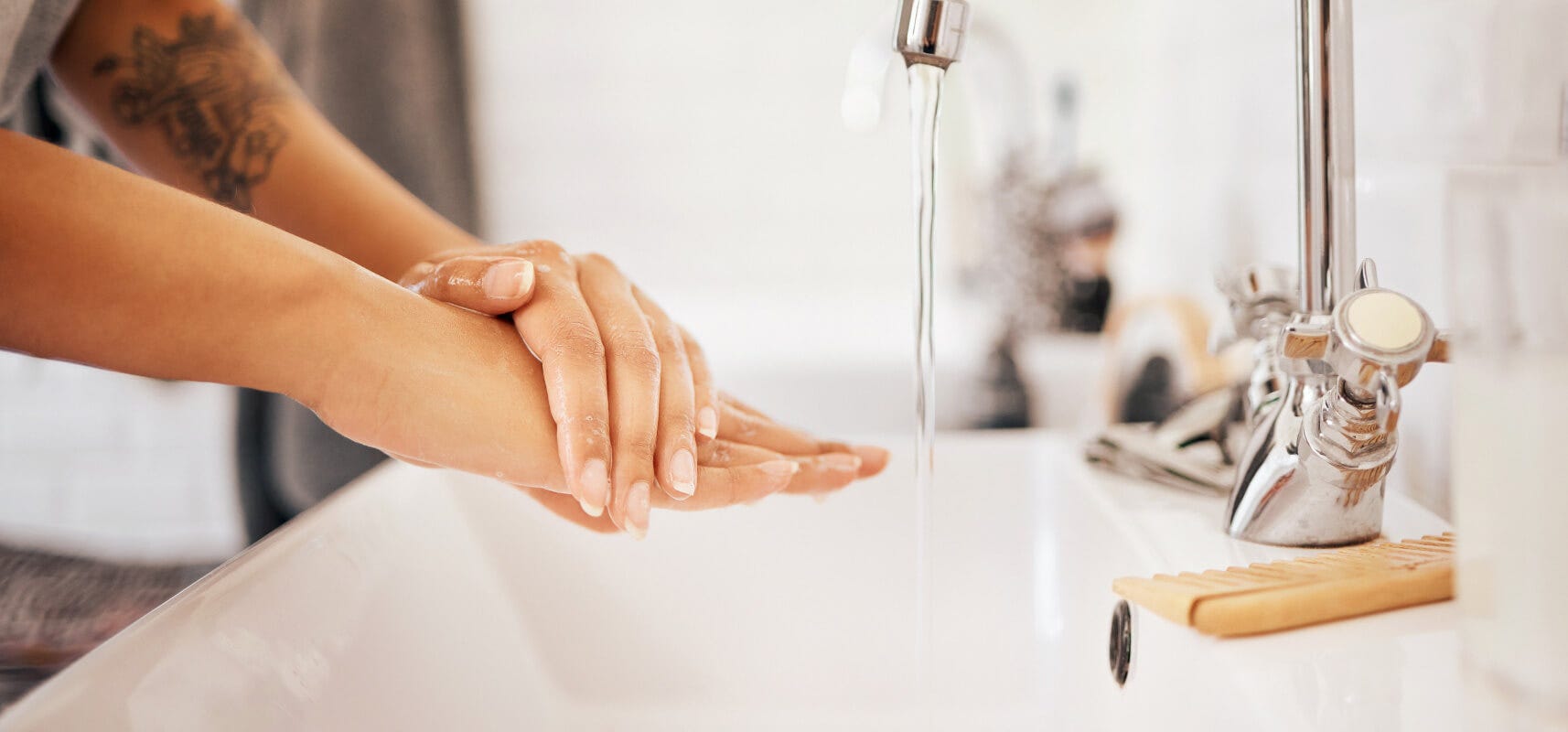
Wash your hands thoroughly before handling or reinserting any nipple jewelry
-
Clean the nipple with warm water and mild, unscented soap
-
Clean jewelry thoroughly before reinserting
-
Keep your jewelry stored in a clean container when not in use
-
Ensure jewelry is completely dry before inserting it into your nipple
Some women may use nipple retainers (sometimes called spacers) to keep the piercing open between feedings. These should still be removed before breastfeeding, as leaving any jewelry or retainers in place can increase the risk of choking or interfere with your baby’s latch. If you’re unsure what’s safest, a lactation consultant can help you decide what will best support your feeding goals.
Will My Piercings Close?
It's common for women with pierced nipples to wonder if they will close during their breastfeeding journey.
General closure timelines can vary, but common patterns include:
-
New piercings (less than 6 months): Fresh nipple piercings may close quickly, sometimes within hours or days once jewelry is removed.
-
Established piercings (6 months to 1 year): These may take several weeks to close, especially with consistent removal.
-
Long-term piercings (over 1 year): Older, fully healed piercings are less likely to close. That said, they might shrink or partially close.
While it may not feel ideal to have to repierce your nipples, what matters most is supporting your health and your baby’s safety during breastfeeding.
When to Seek Help
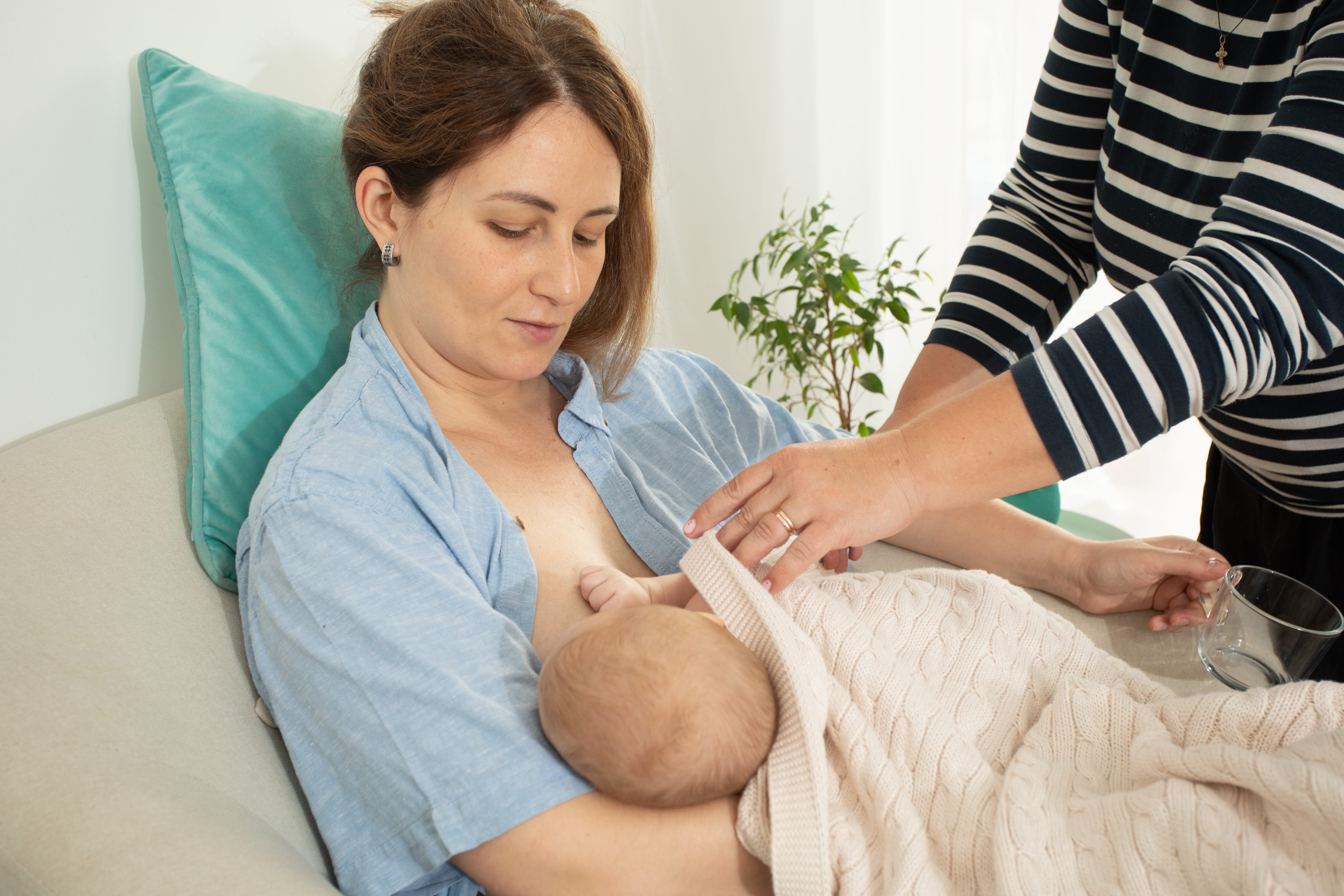
While most women can successfully breastfeed with nipple piercings and experience normal milk flow and milk supply, it's important to know when to seek medical advice from your healthcare provider and/or lactation consultant. And remember, it’s important to closely follow the aftercare instructions from a reputable piercer and your healthcare provider to ensure your and your baby’s safety.
Signs of Infection
-
Increasing redness, warmth, or swelling around the nipple
-
Pain that worsens rather than improves over time
-
Pus or unusual discharge (especially yellow, green, or foul-smelling)
-
Fever or chills, or other flu-like symptoms
-
Red streaking extending from the nipple or breast tissue
If you notice any of these signs of infection or suspect something is wrong, do not hesitate to reach out to your healthcare provider.
If Your Jewelry Won’t Come Out
If you’re having trouble removing your nipple jewelry, try not to force it, as this can cause irritation or injury. A professional piercer can often help remove it safely. If your breasts are swollen or you’re already postpartum, your healthcare provider or lactation consultant can also help you make a plan to safely feed your baby while you sort it out.
Final Thoughts
Having nipple piercings doesn't mean you can't have a successful breastfeeding journey. With a bit of planning and attention to safety—especially removing jewelry before feedings—many women go on to have a smooth breastfeeding experience.
Remember, every mama's journey is unique. Whether you choose to temporarily retire your piercings or are planning future ones, the most important thing is making informed decisions that work for both you and your baby.