Postpartum Recipes for Your Fourth Trimester
- By Aeroflow Breastpumps
- May 20, 2026

Congratulations on your new bundle of joy! As you navigate the postpartum period after pregnancy, also known as the "fourth trimester," it's important to nourish your body with foods that support your recovery, healing, energy levels, and milk production.
We understand that this time can feel overwhelming, with countless articles and social media posts offering conflicting advice on what to eat, what to avoid, and which food choices are best during the postpartum period. Our goal is to simplify things by sharing easy, nourishing postpartum recipes and snack ideas that can help you feel your best during this special time.
Postpartum Nutrition: Essential Nutrients to Include
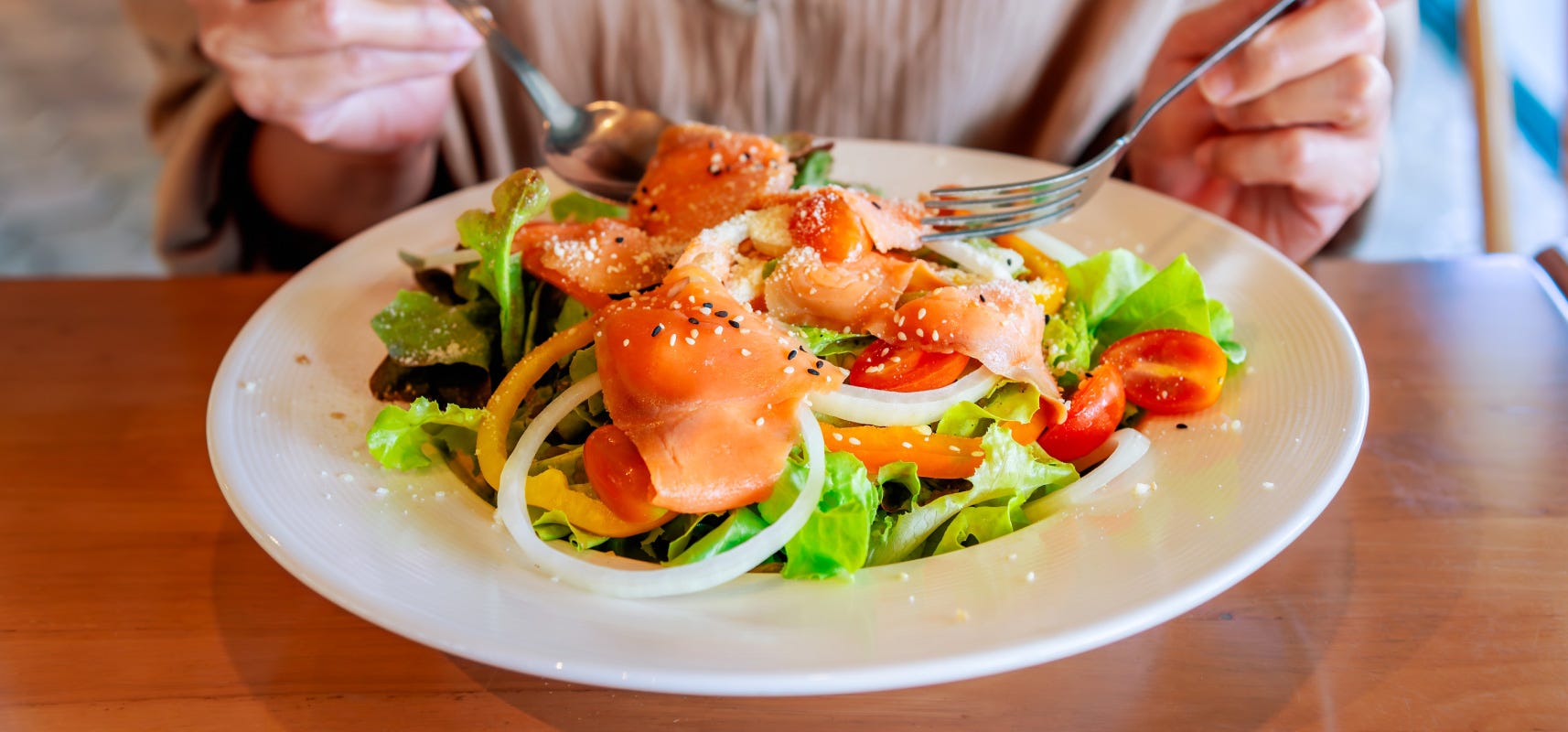
During the postpartum period, your body needs extra nutrients to support tissue repair, hormone balance, and breast milk production. Prioritizing nourishing meals and snacks throughout the day can help support your recovery and overall well-being during the fourth trimester.
Here are some of the top nutrients for postpartum healing and recovery:
Protein
Adequate protein intake is necessary for rebuilding tissues, particularly in the abdominal and pelvic areas, as well as supporting milk production. Aim to include protein-rich foods like lean meats, fish, eggs, legumes, and dairy products in each meal and snack.
Iron
Pregnancy and childbirth can lower iron stores, which can lead to anemia and fatigue. Incorporate high-iron foods such as red meat, poultry, fish, leafy greens, and fortified grains to help replenish iron levels. Pair iron-rich foods with vitamin C sources to enhance absorption.
Vitamin C
This essential nutrient plays a vital role in wound healing, collagen production, and immune function. Incorporate plenty of citrus fruits, berries, tomatoes, and bell peppers into a balanced diet to support your body's recovery process.
Calcium
Having an adequate calcium intake during breastfeeding supports bone health, and requirements vary by age. Including calcium-packed options like dairy products, leafy greens, and fortified plant-based milk in your daily meals can maintain healthy levels. If you suspect you're not meeting your daily calcium needs, consult with your healthcare provider about supplementation.
Vitamin D
Low levels of vitamin D are common, especially during the winter, making it important to get your levels checked. Vitamin D plays a role in absorbing calcium, milk supply, immune health, and mood. The best vitamin D source is sunlight, 15–30 minutes each day. Food sources include mushrooms exposed to sunlight, fish liver oils, and fatty fish like trout, salmon, and mackerel.
Omega-3 Fatty Acids
These healthy fats, particularly DHA, are crucial for infant brain health and development and may help reduce the risk of postpartum depression. Aim to consume fatty fish like salmon, sardines, and anchovies at least twice a week, or consider a high-quality omega-3 supplement if you don't regularly eat fish.
Zinc
During pregnancy, zinc plays a part in building your "milk making factory." During breastfeeding, it helps maintain this system, supports breast milk production, and contributes to both your and your baby's immune system. Zinc is especially high in oysters and is also found in meat, turkey, cheese, seafood, fortified cereals, pumpkin and sunflower seeds, and legumes such as beans and lentils.
Choline and Iodine
Often overlooked, these nutrient requirements rise during breastfeeding. Iodine is essential for healthy thyroid function, which is critical in regulating milk supply. Dairy products and eggs provide both nutrients. Iodized salt and seafood are rich in iodine, while choline is found in meats, some seafood, and legumes such as peas, beans, and lentils.
Vitamin B12
Essential for brain and nervous system health, red blood cell formation, and DNA synthesis for both you and your baby, B12 is found in animal products and fortified plant-based foods. If you follow a vegetarian eating pattern, speak with your healthcare provider about whether a vitamin B12 supplement is appropriate.
What Foods Help Breastfeeding and Milk Supply?
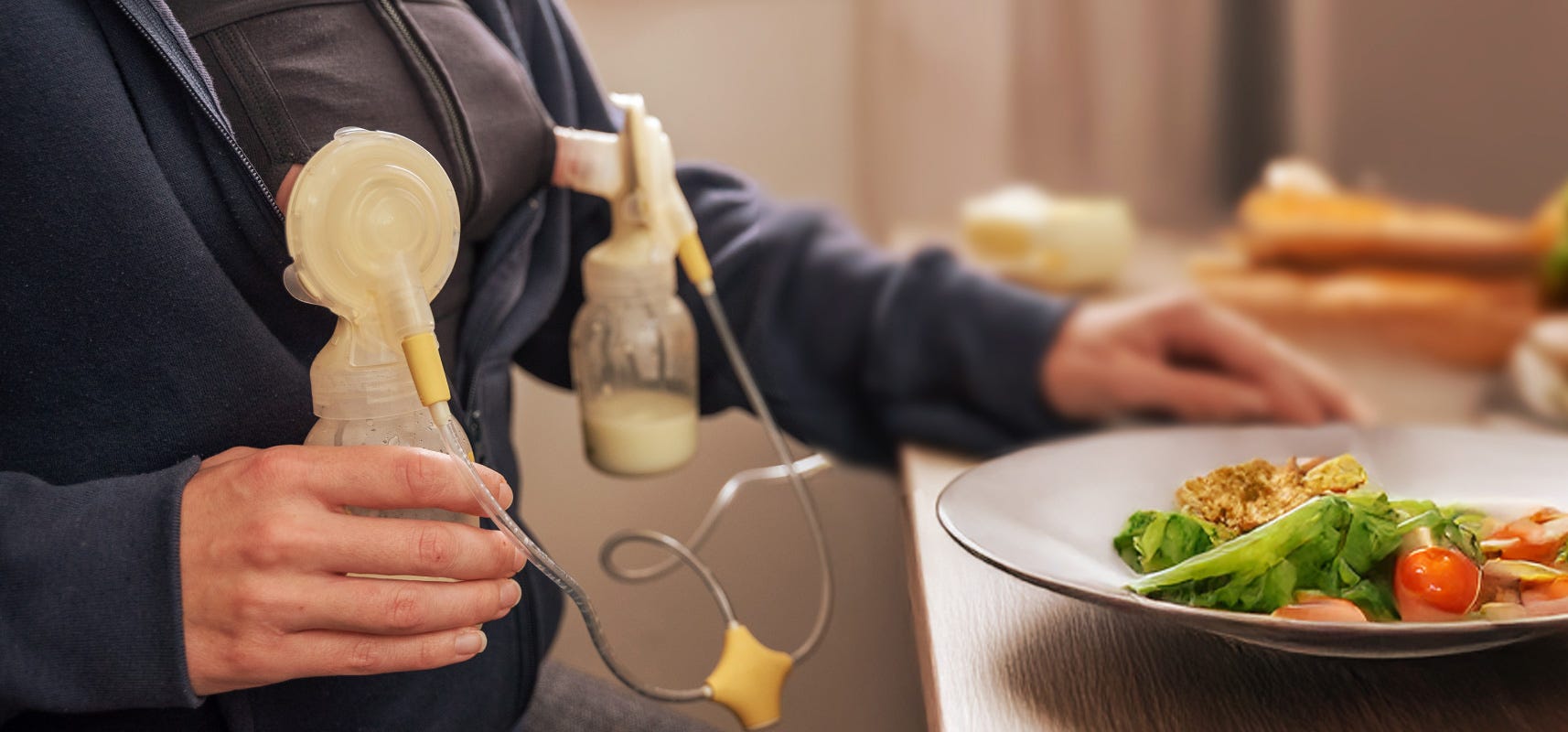
Beyond individual nutrients, certain traditional foods have long been used to support healing after birth, restore energy, and encourage milk production. These meals often focus on warm, nutrient-dense foods, easily digestible ingredients such as bone broths, slow-cooked grains, root vegetables, and healing herbs. While recipes vary around the world, the common thread is the emphasis on nourishing foods that help support recovery during the fourth trimester.
These supportive foods are often referred to as galactagogues. While milk supply relies on a supply-and-demand system from regular breastfeeding or pumping, certain foods may help boost milk production.
Some common foods recommended for their milk-boosting properties:
-
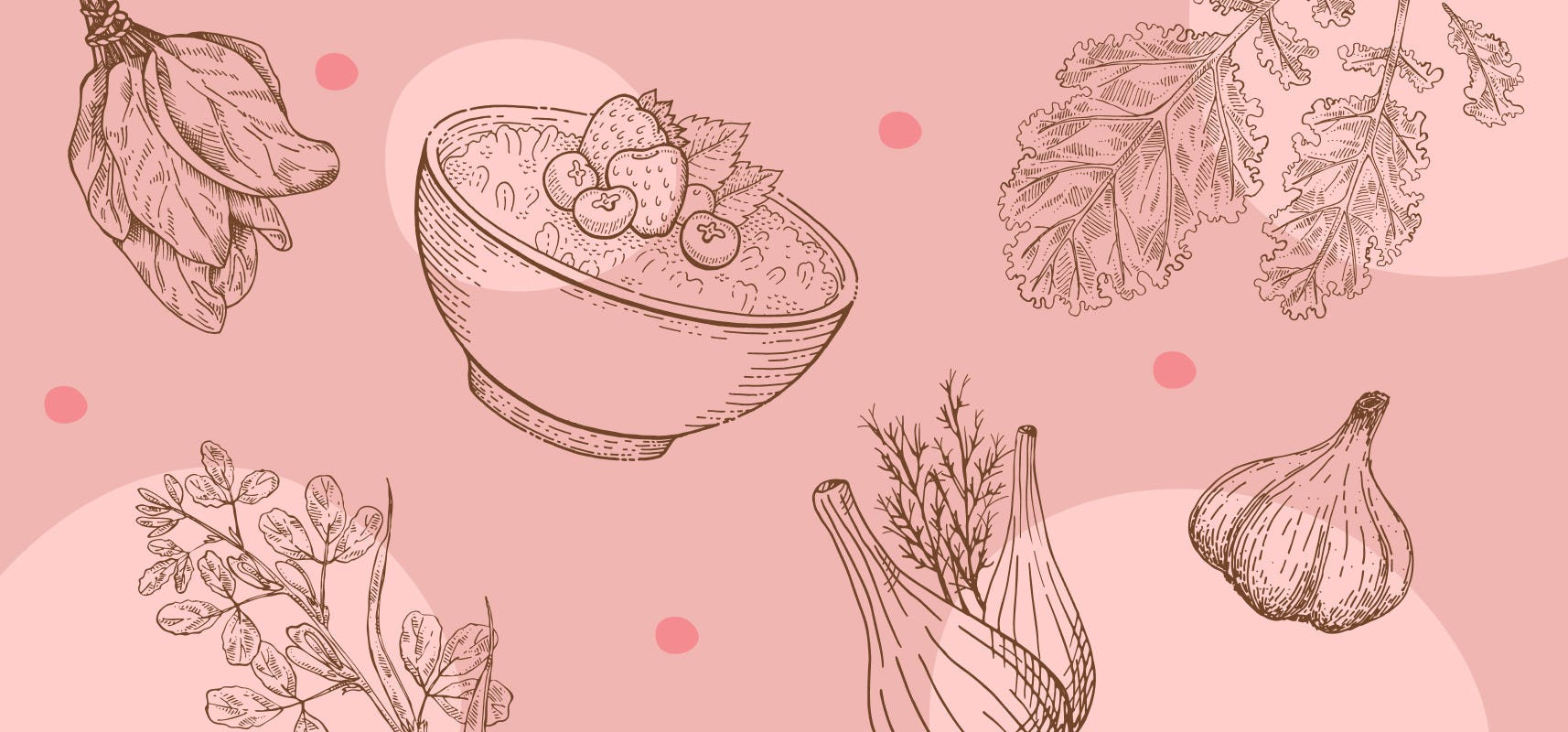
Oats: Rich in iron, fiber, and B vitamins, oats have long been considered a galactagogue. Enjoy a warm bowl of oatmeal for breakfast, incorporate oats into cookies and protein bars, or prepare easy overnight oats for a quick postpartum breakfast or snack.
-
Fennel: These aromatic vegetables or seeds contain compounds that may stimulate milk production. Add sliced fennel to salads, roast it as a side dish, or steep fennel seeds in hot water to create a soothing tea.
-
Fenugreek: Commonly used as an herbal supplement to enhance milk supply, fenugreek can also be incorporated into postpartum recipes. Sprinkle fenugreek seeds over roasted vegetables, or add them to curries and stews for a subtle maple-like flavor.
-
Garlic: The odor of garlic may amplify the flavor and quality of breast milk and encourage babies to feed more often. Use garlic to flavor a variety of dishes, such as pasta sauces, soups, and stir-fries.
-
Dark, Leafy Greens: Spinach, kale, and other leafy greens are packed with enzymes, phytoestrogens, and essential vitamins and minerals that support mom’s health. Incorporate leafy greens into salads, smoothies, and sautéed dishes for an easy nutrient boost.
Remember, every mother's experience is unique—what works for one may not work for another! Trust your body's cues, and consult with your healthcare provider or lactation consultant for personalized guidance.
Easy Postpartum Recipes for Busy New Moms
While you’re busy spending time with your newborn and adjusting to mom life, it can be challenging to come up with postpartum recipes that incorporate key nutrients and supportive foods. Don’t worry, we've created a collection of simple, nutritious meals and snacks that can easily be adapted to meet a variety of dietary needs—including gluten-free, vegetarian, and dairy-free. The key is focusing on nutrient-dense ingredients such as protein, healthy fats, fiber-rich carbohydrates, and iron-rich foods to support recovery and energy during the fourth trimester.
Many of these recipes are ideal for meal prep! Doubling and preparing freezer-friendly meals before your baby arrives can help reduce stress, save time, and ensure you always have something ready to heat and enjoy.
Here are some simple postpartum recipes you can rotate throughout the week:
Overnight Oats with Berries & Nuts
Prep Time: 5 minutes
Chill Time: Overnight
Serves: 1
Ingredients:
- 1/2 cup rolled oats
- 1/2 cup milk of choice (dairy, almond, oat, etc.)
- 1/4 cup plain Greek yogurt
- 1 tablespoon chia seeds
- 1 tablespoon honey or maple syrup
- 1/2 cup mixed berries (fresh or frozen)
- 2 tablespoons chopped nuts (almonds, walnuts, or pecans)
Instructions:
-
In a jar or container with a tight-fitting lid, combine the oats, milk, yogurt, chia seeds, and honey or maple syrup. Stir well to combine.
-
Add the mixed berries and chopped nuts on top of the oat mixture.
-
Cover the jar or container and refrigerate overnight, or for at least 6 hours.
-
When ready to eat, give the overnight oats a good stir and enjoy cold or at room temperature.
Spinach & Feta Frittata
Prep Time: 10 minutes
Cook Time: 20 minutes
Serves: 4
Ingredients:
- 8 large eggs
- 1/4 cup milk of choice
- 1/2 teaspoon salt
- 1/4 teaspoon black pepper
- 1 tablespoon olive oil
- 1 small onion, diced
- 2 cloves garlic, minced
- 4 cups fresh spinach
- 1/2 cup crumbled feta cheese
- 1/4 cup sun-dried tomatoes, chopped (optional)
Instructions:
-
Preheat the oven to 375°F (190°C).
-
In a large bowl, whisk together the eggs, milk, salt, and pepper. Set aside.
-
Heat the olive oil in a 10-inch, oven-safe skillet over medium heat. Add the onion and garlic, and sauté until softened, about 5 minutes.
-
Add the spinach to the skillet and cook until wilted, stirring occasionally, about 2–3 minutes.
-
Pour the egg mixture into the skillet, and sprinkle the feta cheese and sun-dried tomatoes (if using) on top.
-
Cook the frittata on the stovetop for 2–3 minutes, then transfer the skillet to the preheated oven.
-
Bake for 15–20 minutes, or until the frittata is set and lightly golden on top.
-
Remove from the oven and let cool for 5 minutes before slicing and serving.
Vegetable Lentil Soup
This comforting soup works well as a slow cooker or Instant Pot meal for easy postpartum meal prep and is one of those postpartum recipes that can easily be doubled and frozen ahead of time.
Prep Time: 15 minutes
Cook Time: 45 minutes
Serves: 6
Ingredients:
- 1 large onion, diced
- 3 cloves garlic, minced
- 2 carrots, diced
- 2 celery stalks, diced
- 1 cup dried green or brown lentils, rinsed
- 1 can (14.5 oz) diced tomatoes
- 1 teaspoon dried thyme
- 1 teaspoon dried basil
- 6 cups low-sodium vegetable or chicken broth
- 2 cups chopped kale or spinach
Instructions:
-
Heat the olive oil in a large pot over medium heat. Add the onion and garlic, and sauté until fragrant, about 2 minutes.
-
Add the carrots and celery to the pot, and cook until the vegetables begin to soften, about 5 minutes.
-
Stir in the lentils, diced tomatoes, thyme, basil, salt, and pepper. Pour in the broth and bring the soup to a boil.
-
Reduce the heat to low and simmer the soup, partially covered, for 30–35 minutes or until the lentils are tender.
-
Add the chopped kale or spinach to the soup and cook for an additional 5 minutes, or until the greens are wilted.
-
Taste and adjust the seasoning as needed. Serve the soup hot, with crusty bread or crackers on the side.
Salmon & Sweet Potato Grain Bowl
Prep Time: 15 minutes
Cook Time: 30 minutes
Serves: 2
Ingredients:
- 2 small sweet potatoes, diced
- 1 tablespoon olive oil, divided
- Salt and pepper to taste
- 2 (4 oz) salmon fillets
- 1 teaspoon smoked paprika
- 1/2 teaspoon garlic powder
- 1 cup cooked quinoa or brown rice
- 1/2 avocado, sliced
- 1/2 cup cherry tomatoes, halved
- 1/4 cup crumbled feta cheese
- 2 tablespoons chopped fresh parsley
Instructions:
-
Preheat the oven to 425°F (220°C). Line a baking sheet with parchment paper.
-
Toss the diced sweet potatoes with 1/2 tablespoon olive oil, salt, and pepper. Spread the sweet potatoes on the prepared sheet pan and roast for 20–25 minutes, or until tender and lightly caramelized.
-
Meanwhile, season the salmon fillets with smoked paprika, garlic powder, salt, and pepper.
-
Heat the remaining 1/2 tablespoon olive oil in a non-stick skillet over medium heat. Add the seasoned salmon fillets and cook for 4–5 minutes per side, or until the fish is cooked through and easily flakes with a fork.
-
Assemble the grain bowls by dividing the cooked quinoa or brown rice between two bowls. Top each bowl with roasted sweet potatoes, cooked salmon, avocado slices, cherry tomatoes, crumbled feta cheese, and chopped parsley.
-
Serve the grain bowls immediately, drizzling with additional olive oil and lemon juice if desired.
No-Bake Lactation Energy Bites
These energy bites are one of the easiest postpartum recipes to prepare ahead of time.
Prep Time: 15 minutes
Chill Time: 30 minutes
Serves: 12 bites
Ingredients:
- 1 cup rolled oats
- 1/2 cup creamy almond or peanut butter
- 1/4 cup honey or maple syrup
- 1/4 cup ground flaxseed
- 2 tablespoons chia seeds
- 2 tablespoons brewers yeast (optional)
- 1/2 teaspoon vanilla extract
- 1/4 cup dark chocolate chips or chopped nuts (optional)
Instructions:
-
In a large bowl, mix together the rolled oats, almond or peanut butter, honey or maple syrup, ground flaxseed, chia seeds, brewers yeast (if using), and vanilla extract. Stir until well combined.
-
Fold in the chocolate chips or chopped nuts (if using).
-
Using your hands or a cookie scoop, roll the mixture into 12 equal-sized balls.
-
Place the energy bites on a parchment-lined plate or sheet pan and refrigerate for at least 30 minutes, or until firm.
-
Store the energy bites in an airtight container in the refrigerator for up to 1 week, or in the freezer for up to 3 months.
These simple postpartum recipes can help make daily nourishment more manageable during the early weeks of recovery, especially when time and energy are limited. Additionally, keep nourishing snacks like fresh fruit, seeds, nuts, sliced vegetables, and whole grain crackers readily available to maintain your energy levels and support stable blood sugar throughout the day. Staying hydrated is also important during postpartum recovery and breastfeeding, so try to keep a water bottle or hydrating beverages nearby throughout the day.
If possible, rely on loved ones to help with preparing postpartum recipes ahead of time. Leaning on your "village" can go a long way in supporting your recovery after birth.
What Foods Should You Limit or Avoid Postpartum?

Alongside focusing on nourishing postpartum recipes and supportive foods, it can also be helpful to understand which foods and beverages may be best enjoyed in moderation during postpartum recovery and breastfeeding. The goal isn’t perfection, but rather creating balance while supporting your healing and your baby’s health.
While it's essential to focus on nutrient-dense foods during the postpartum period, there are certain substances and food groups to limit or avoid to promote your healing and your baby's health, including:
Caffeine
Caffeine, in moderation, is generally considered safe during breastfeeding and does not usually affect babies. Most guidelines suggest staying at or below 300 mg or less per day. If you notice your baby seems more sensitive, you may consider adjusting your intake.
Alcohol
Not drinking alcohol is the safest option while breastfeeding. However, if you choose to drink, up to one standard drink per day is not known to be harmful to nursing infants. Waiting at least 2 hours after a single drink before breastfeeding or expressing your milk can help to further reduce the amount of alcohol in breast milk.
High-Mercury Fish
Certain fish—such as shark, swordfish, king mackerel, and tilefish—contain higher levels of mercury that can affect your baby's developing nervous system. Instead, choose 8–12 ounces (2–3 servings) per week of low-mercury fish like salmon, sardines, and light canned tuna.
Ultra-Processed Foods
While convenient, ultra-processed foods like sugary snacks, soft drinks, and fast food are low in nutrients and may not provide the sustained energy your body needs during recovery. These foods can be enjoyed occasionally, but focusing most of the time on whole, minimally processed meals can better support healing, energy, and overall well-being.
Bon Appétit!
By incorporating a variety of nourishing foods and easy-to-prepare postpartum recipes, you're helping support your recovery, milk production, and overall well-being. Remember that every new mother's journey—and nutrition needs—are unique. If you have questions about postpartum nutrition, consider reaching out to your healthcare provider or a registered dietitian for personalized guidance tailored to your recovery, breastfeeding goals, and overall health. They can help you create a plan that meets your individual needs during the postpartum period.
As you navigate the joys and challenges of motherhood, know that you are not alone. Aeroflow Breastpumps is here to guide you with postpartum nutrition tips, breastfeeding education, and guidance on ordering your breast pump through insurance. By prioritizing your own nourishment, hydration, and self-care, you'll be better equipped to care for your little one and enjoy this special time together.