Hospital Bag Checklist: What to Pack, Leave Behind & Why
- By Kay Rybiski, BSN, RN, IBCLC
- Aug 4, 2026

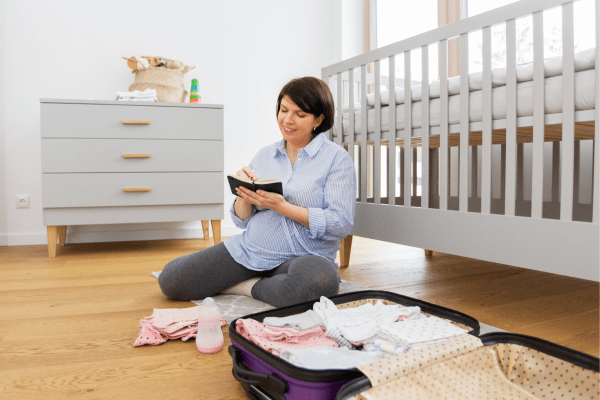
The third trimester can be a busy time, full of preparations to welcome your new baby home. In between decorating the nursery and washing baby clothes, it's a good idea to take a couple of days to pack your hospital bag. Having your “go-bag” packed and ready can provide peace of mind and help you avoid last-minute scrambling when labor begins. Many families find it helpful to keep their bag by the door or in the car so it’s ready when needed.
When to Pack Your Hospital Bag?
Most families should aim to complete their hospital bag checklist by 37 to 38 weeks of pregnancy. If you're at higher risk of preterm labor, consider packing even sooner. Your partner or support person should also have a small bag ready, along with your infant car seat installed in your vehicle before your due date.
As you prepare your hospital bag, it helps to know how long you may be in the hospital and how much space you'll have available. Most hospital stays last up to 2 days after a vaginal birth and between 2–4 days after a cesarean birth. Your length of stay will depend on your recovery, your baby’s health, and your care team's recommendations.
Because rooms often have limited storage, keeping your hospital bag checklist focused on essentials can make your stay more comfortable and organized.
Before You Pack Your Hospital Bag
While every hospital has slightly different policies and amenities, most provide basic postpartum and newborn care supplies. Check with your healthcare provider or birthing facility before packing to learn what will be available during your stay. This way, your hospital bag checklist can stay streamlined and focused on what will actually support your comfort, recovery, and your baby’s first days.
Hospital Bag Essentials
These are the key items to include in your hospital bag checklist for quick access when you arrive at the hospital. Keeping these organized together can help make admission, labor, and early postpartum care smoother.
Important Documents
Bring your driver’s license or another government-issued photo ID along with your insurance card. Even if you've pre-registered, you may be asked to show these again when you arrive.
Birth Plan
Pack several copies of your birth plan so it's easy to share with your care team. Place one in your room for quick reference, and give copies to your labor nurse, postpartum nurse, and the provider attending your birth. Even if you've reviewed your birth plan with your primary provider, the doctor on call may be different.
Pediatrician Information
Most hospitals will ask for your baby’s pediatrician before discharge. If possible, choose a pediatrician before your due date and schedule your baby's first appointment before you leave the hospital, which is typically recommended within 3–5 days after birth.
Cord Blood Kit
If you plan to bank or donate your baby’s cord blood, pack your collection kit and complete any required paperwork before heading to the hospital. Be sure to let your care team know when you arrive so they can collect it after birth.
Phone and Entertainment
Your phone will likely be your camera, communication hub, and entertainment during your hospital stay. Pack a charger with a long (5–10 foot) cable since outlets are often far from the bed or already in use for medical equipment. You may also want to pack something for downtime, such as a book, tablet, cards, or headphones.
Hospital Bag Checklist for Mom
Pack these essentials at the top of your bag so they’re easy to access when labor begins:
Water Bottle & Snacks
Stay hydrated with an insulated water bottle, and pack a variety of easy-to-eat snacks like fruit, trail mix, granola bars, or protein-rich options. They can help keep your energy up during labor, and after delivery, you'll likely appreciate having snacks on hand between meals—for both you and your support person.
Clothing & Layers
Walking and changing positions can help you stay comfortable and may support labor progression. Hospitals often provide socks with grip soles, but you may prefer to bring your own slippers or a pair of supportive, comfortable shoes.
Choose comfortable, lightweight, and breathable fabrics with short sleeves for easier blood pressure checks and lab work. Front-opening tops are especially helpful for breastfeeding and skin-to-skin contact. Hospital rooms can vary in temperature, so layering with a robe or sweater can help you stay comfortable. Hormonal changes after birth may also cause temperature fluctuations and sweating.
Comfort Items
A favorite pillow, cozy blanket, or other personal items can help create a calmer, more relaxing environment. Check with your hospital or birth center to see what items are allowed.
Music & Relaxation
Create a playlist of your favorite songs, calming sounds, or guided meditations. Bring headphones, earbuds, or a portable speaker, if permitted.
Massage Tools
If massage is part of your labor comfort plan, bring your favorite lotion or massage oil to help your support person provide soothing touch.
Toiletries
Pack basics such as a toothbrush, toothpaste, deodorant, hairbrush or comb, shampoo and conditioner, and any makeup you plan to use. Labor can leave your lips feeling dry, making lip balm one of those small items you'll be glad you packed. A hanging toiletry bag can be especially helpful since hospital bathrooms typically have limited counter space.
Glasses and Contact Lenses
Bring your glasses, contact lenses, solution, and a case if needed. If you are having a cesarean birth, you will likely be asked to remove your contact lenses before surgery. Be sure to have your glasses within easy reach to see your baby’s first moments clearly.
Hospital Bag Checklist for Postpartum Recovery & Breastfeeding
In addition to your personal care items, include a few comfort-focused essentials in your hospital bag checklist to help you feel more at home during your recovery.
-
Breastfeeding Support Items: Choose clothing and supplies that are easy to use, comfortable, and supportive for breastfeeding after birth. Hospitals often provide nursing pads, but you may prefer to bring your own. Disposable pads are often helpful when leaking is more frequent, while reusable options may work well once milk supply begins to regulate. Both options can be found on our website.
-
Postpartum Care Items: Hospitals typically provide postpartum pads and mesh underwear, especially in the early recovery period. Heavy bleeding is normal in the first days after birth, followed by postpartum discharge (lochia) that can continue for several weeks. Because of this, many women prefer to have heavy-flow pads available for both hospital use and at home. If you choose to bring your own postpartum underwear, opt for inexpensive, high-waisted options you don’t mind discarding after use.
-
Personal Keepsakes: A journal or notebook can be helpful for writing down questions for your care team, tracking early postpartum thoughts, or documenting your baby’s first days. Some families also use this space for feeding notes, footprints, or early memories. You may also choose to bring a small gift from your newborn to older siblings to support introductions during hospital visits.
Hospital Bag Checklist for Your Partner or Support Person
-
This next section of the hospital bag checklist focuses on what your partner or support person will need to stay comfortable during labor, delivery, and recovery.
-
Photo ID: Many hospitals require support persons to show a photo ID when checking in. In some cases, identification may also be needed for visitor registration or birth certificate paperwork. Check with your hospital ahead of time to learn about specific requirements.
-
Cash or Credit Card: This can be helpful for parking, cafeteria meals, vending machines, or other unexpected expenses.
-
Cell Phone & Charger: A longer cord can be helpful if outlets are not close to the bed. If you plan to use any additional devices for photos or video, check hospital policies in advance, as some facilities have restrictions during parts of labor or delivery.
-
Food & Hydration: Staying hydrated and nourished is just as important for support persons, especially during long or unpredictable labor experiences.
-
Clothing & Comfort Items: A change of clothes, sleepwear, and comfortable shoes. Because labor timing can vary, it’s helpful to pack enough for at least a short extended stay. Hospitals typically provide basic bedding for support persons, but many people sleep more comfortably with their own pillow from home.
-
Toiletries. Pack essentials such as a toothbrush, toothpaste, deodorant, contact lenses or glasses, and any personal grooming items.
-
What to Pack for Your Newborn
Now that you've packed for yourself, use this hospital bag checklist for the few essentials your newborn will need when it's time to go home.
The hospital will provide basic clothing such as shirts, caps, and swaddle blankets during your stay, but you may want to bring a special outfit for newborn photos and your baby’s trip home. Choose something weather-appropriate and easy to put on.
Most importantly, you will need a properly installed infant car seat to take your baby home from the hospital. It’s helpful to install the base ahead of time and become familiar with how the car seat works before delivery. Many families leave it in the car during their hospital stay and bring it to the room when it’s time for discharge. Hospital staff may also check that your car seat is installed correctly before you go home.
What to Leave Off Your Hospital Bag Checklist
The final section of this hospital bag checklist covers what you can leave out to avoid overpacking.
-
Diapers and wipes: Most hospitals provide diapers, wipes, and other basic newborn supplies during your stay and may even send some extras home with you.
-
Nipple cream: Some moms experience nipple discomfort during or after breastfeeding. Nipple cream may help soothe or protect sore nipples, but the most important goal is to establish and maintain a deep, comfortable latch with each feeding. If soreness or nipple damage does not improve, seek lactation support. Most hospitals provide nipple cream.
-
Bottles, nipples, and formula: If your baby needs supplementation or formula feeding, the hospital will typically provide bottles, nipples, and feeding supplies. If your baby requires a specialty formula or you have a preferred brand, check with your healthcare provider before bringing your own.
-
Most medications. Bring a list of any prescription and over-the-counter medications you take, but check with your hospital before packing them. Many hospitals provide medications during your stay, and personal medications may need to be reviewed by the pharmacy before use.
-
Valuables and large amounts of cash: Most people find that a credit card and a small amount of cash are all they need during their hospital stay. Consider leaving expensive jewelry and unnecessary cash at home.
-
Candles: Open flames are not permitted in hospitals or most birth centers. If you'd like to create a calming environment, ask whether diffusers or essential oils are allowed.
Do I Need to Bring My Breast Pump?
If you are interested in learning more about preparing for birth, you can schedule a one-on-one appointment with an Aeroflow lactation consultant here.
Your birth plan is one of the most important items you should remember to pack. If you would like assistance crafting your birth and breastfeeding plan, our dual certified lactation consultant/doulas are happy to meet with you to discuss. Write to birthplan@aeroflowbreastpumps.com to schedule.
What If I Still Have Questions?
Packing your hospital bag is one way to prepare for labor, birth, and the postpartum period. While it's easy to focus on what to pack, taking time to prepare for feeding your baby can help you feel even more confident.
If you have questions about what to expect during pregnancy, birth, breastfeeding, or postpartum recovery, Aeroflow offers expert-led virtual classes to help you feel informed and prepared. We also offer one-on-one lactation consultations for personalized breastfeeding support. You can also explore your insurance-covered breast pump options and access additional educational resources to support you throughout your journey.
Your hospital bag doesn't have to be perfect. Packing the essentials and taking time to prepare for birth, feeding, and recovery, can help you feel more confident as you welcome your baby. With educational classes, lactation consultations, and helpful resources, Aeroflow is here to help you every step of the way.