What to Expect When Your Baby Comes Home from the NICU
-
 By
Dr. Jessica Madden
By
Dr. Jessica Madden
- Sep 8, 2026

Congratulations on your baby’s “graduation” from the NICU! Although this is an exciting milestone, transitioning from a highly controlled newborn intensive care environment, including monitoring and 24/7 nursing care, to a home routine can feel stressful. You may be excited to finally have your baby home while also wondering how you’ll manage without the NICU team right there to help.
Every baby’s NICU journey is unique, so there is no “one size fits all” advice that applies to feeding, sleeping, and baby care after discharge. NICU grads can have a wide range of care needs. Some babies go home needing only routine pediatric follow-up and time to grow and develop, while others may need specialized feeding support and ongoing care from multiple specialists. Your baby’s individual discharge plan will help guide the care they need at home.
Your Post-NICU Care “Playbook”
Bringing a baby home from the NICU requires extra planning, preparation, and support. Once you’re home, there are a few key areas to keep in mind, including supporting your baby’s growth and development, taking reasonable precautions to prevent infections and illnesses, and staying in communication with your baby’s health care providers.
Your baby’s NICU team should help you understand any feeding plans, medications, equipment, follow-up appointments, and other care needs before discharge. Even with careful preparation, as you and your baby settle into your new routine, it’s normal to have questions or need additional guidance. Don’t hesitate to reach out to your baby’s care team for support.
Corrected Age and Developmental Milestones
Preemies’ developmental expectations are based on their adjusted or corrected age (the date they were supposed to be born) rather than solely on their chronological age (the date they were actually born). Using corrected age gives families and health care providers a better idea of when to expect common developmental milestones. The American Academy of Pediatrics (AAP) recommends considering corrected age when tracking development during the first two years.
For example, a baby born at 26 weeks’ gestation—about 14 weeks early—would be considered 0 months corrected age around their original due date. As they grow, using their corrected age can help you understand your baby’s developmental progress without comparing them too closely with babies who were born at the same chronological age.
Remember that babies develop at their own pace. If your baby was born early, your pediatrician can help you understand their individual growth and development and determine whether additional developmental support may be needed.
Early Intervention Services
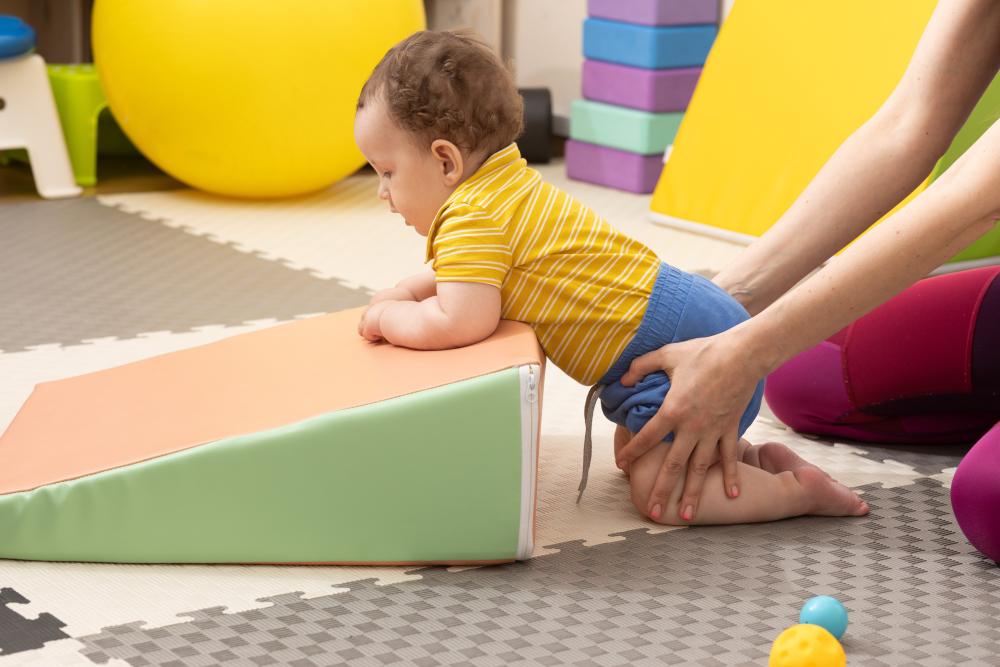
Many NICU grads benefit from early intervention services once home. Early intervention typically includes regular check-ins with pediatric physical, occupational, and/or speech therapists who can provide guidance on how to support motor and language skill development.
If your baby qualifies for an early intervention evaluation, I always recommend that parents take advantage of this opportunity. Evaluations and therapies through early intervention may be provided at little or no cost through state programs, depending on eligibility and where you live.
Infection Prevention
Babies who were in the NICU may have a higher risk of complications from certain infections, particularly when they have ongoing medical conditions or respiratory concerns. The amount of protection your baby needs will depend on their individual health history and medical needs, so talk with your baby's care team about what precautions they recommend.
General infection-prevention measures include practicing good hand hygiene, making sure that anyone with a fever or other signs of illness keeps a distance from the baby, and keeping caregivers and visitors up to date on recommended vaccines, including flu and pertussis vaccinations.
If someone in your household becomes sick, ask your baby's health care provider about the best ways to reduce your baby's exposure. Depending on your baby's health needs, your care team may recommend additional precautions around visitors and childcare, and may recommend holding off on taking your baby to crowded places.
Tobacco and nicotine smoke can irritate babies’ developing lungs and airways and may trigger coughing and wheezing. If a caregiver or visitor smokes, all first- and secondhand smoke exposure should be minimized—this means not only always smoking outside, but also changing out of the clothes you were wearing while smoking and showering/bathing before holding and interacting with your baby. The best time to quit smoking or vaping is before your baby comes home from the NICU, but it is never too late to seek support for quitting.
Nighttime Feedings and Safe Sleep
Many babies leave the NICU following a 3-hour feeding schedule, including overnight. Even as you transition toward following your baby’s hunger and feeding cues, waking at least 1–2 times per night to feed is developmentally normal and may continue for many months.
Because of their unique calorie needs, formal sleep training is generally discouraged and it’s important to remember that preterm babies may not sleep through the night as soon as term babies. Your baby's care team can help you understand how often your baby needs to feed and whether there are times when it is appropriate to allow longer stretches of sleep.
As you establish your baby’s sleep routine at home, it’s also important to keep safe-sleep practices in mind. Babies born prematurely have a higher risk of SIDS than babies born at full term. Regardless of whether your baby was born prematurely, safe-sleep practices are recommended for all infants.
The mainstays of safe sleep are to avoid bed-sharing and always place babies to sleep alone on their backs, on a firm, flat mattress that is free of blankets, stuffed animals, toys, and positioning devices. If you choose to swaddle your baby, use a properly fitted swaddle rather than loose blankets, and transition to a sleep sack when your baby shows signs of trying to roll over.
Keeping your baby’s sleep space in your room, close to your bed, can make nighttime feeding, comforting, and responding to your baby’s needs easier. The AAP recommends room sharing without bed-sharing, ideally for at least the first 6 months. If co-sleeping is desired, the best way to accomplish this is by using a separate co-sleeping bassinet that attaches to the side of your bed.
In addition, preemies may have less head and neck control and can have difficulty maintaining a safe position if they fall asleep in an upright or inclined position. For this reason, they should never be left to sleep in an infant car seat, bouncy chair, swing, or any other piece of equipment that is not intended for sleep.

When Your Baby Needs Additional Medical Support
Some babies have more complex medical needs after NICU discharge and require additional equipment, medications, therapies, or monitoring at home. Your baby’s NICU team should provide specific instructions and training before discharge and help you understand who to contact with questions or concerns.
Medical Follow-Up Appointments
Choosing a primary care pediatrician is an important part of establishing your baby's post-NICU care team. Pediatricians not only perform physical examinations and prescribe medications, but they also help coordinate and communicate with the other medical specialists and therapists involved in your baby’s care.
It is important for your baby’s pediatrician to understand prematurity and post-discharge care of NICU grads. Don't be afraid to ask about their experience caring for babies born prematurely and their amount of NICU experience.
Preemies who are born before 28 weeks’ gestation and/or who weigh less than 750–1000g at birth may need to be followed in an outpatient NICU follow-up clinic after going home. NICU grads may also have ophthalmology, audiology, pulmonology, gastroenterology, or other specialty appointments depending on their individual medical needs. Not every baby will need all of these specialists, but your baby's pediatrician can help you understand which follow-up appointments are recommended.
Newborn CPR training is recommended for parents and caregivers of NICU grads. Many NICUs provide training in newborn and infant resuscitation to parents and other caregivers before discharge. If CPR training was not offered by your baby’s NICU, you can register for classes through the American Red Cross.
Feeding and Nutritional Needs
Feeding preemies can be challenging because they may need to eat more frequently than full-term babies and can be slow feeders. Preterm babies may also need time to develop the coordination needed to suck, swallow, and breathe during feeds. Specialized “slow flow” or “preemie” nipples can be used to help with Paced Bottle Feeding.
It may also take time for breastfed preemies to transition to taking all feedings directly at the breast. Mothers may need to continue pumping after discharge for a period of time to provide breast milk for some or all of their baby’s feeds. A lactation consultant can help you develop a feeding plan that supports both your baby’s nutritional needs and your breastfeeding goals.
Many preemies need additional calories and minerals added to their feeds to promote weight gain, brain development, and strong bones. This may include breastmilk fortification or enriched infant formula if formula fed. How long these additional nutritional supports are needed can range from weeks to months after discharge, depending on the baby’s individual needs and growth.
Infants who receive less than 32 ounces of formula per day should receive a daily Vitamin D supplement, as well as iron supplements if recommended by the NICU team.
A small number of babies come home from the NICU with nasogastric or gastric tubes for supplemental feedings and nutrition. Babies who require tube feedings at home need close outpatient follow-up with pediatric dietitians or feeding specialists as recommended by their care team.
Respiratory Equipment Management
Premature infants with chronic lung disease of prematurity or other pulmonary issues may be discharged home with an oxygen tank to provide supplemental oxygen, respiratory medications, and pulse oximeters. Home apnea monitoring is sometimes needed as well.
NICU grads who are on oxygen at home are usually followed by pediatric pulmonologists or NICU follow-up clinicians, who will provide guidance as to when oxygen can be weaned and stopped. If home monitoring is required, it should be done with a medical-grade monitor provided by a durable medical supplier. Home baby monitors available for purchase to the general public are not designed to replace medical monitoring for babies with ongoing respiratory or breathing concerns.
Babies who require home oxygen or monitoring may be more vulnerable to complications from respiratory infections, including influenza, COVID-19, and RSV. The infection-prevention measures discussed earlier are especially important for these babies, including keeping caregivers and household contacts up to date on recommended vaccines, practicing good hand hygiene, and following your care team’s guidance about visitors and crowded places. If someone in the household begins to feel sick, limit their contact with the baby as much as possible and ask your baby’s health care provider about additional precautions, such as wearing a well-fitting, high-quality mask when providing care.
Insurance and Community Resources
It’s best to add your baby to your health insurance plan as soon as possible after birth. Medical equipment and supplies may be covered by insurance, but may require additional documentation and time to approve coverage.
Home Health Coverage
Each NICU has a team of care coordinators to help parents and caregivers navigate insurance issues and obtain home medical equipment and supplies. Health insurance may also cover home health nurses’ visits and additional therapies for NICU graduates. This is not always obvious, so I encourage you to contact your insurance company to find out what they offer in terms of coverage for babies who were in the NICU.
Breastfeeding Supplies and Support
If you are breastfeeding or pumping, your insurance may also cover the cost of a breast pump and lactation support. Many NICUs also have programs that allow families to rent or borrow hospital-grade breast pumps for use while their baby is in the NICU and after discharge. Depending on your insurance plan and your baby’s needs, you may also be able to have the cost of a hospital-grade rental pump covered by insurance.
Support for Your Mental Health
Parents of NICU graduates benefit from getting their own support too. The stress of having a baby in the NICU, followed by the transition home, can take a toll on your mental health and emotional well-being. Research has shown that about 40–50% of parents whose babies were in the NICU may develop postpartum depression or anxiety at some point during their baby’s first year. Your pediatrician, NICU follow-up team, and parent support groups can all be sources of support as you adjust to life after the NICU.
Project NICU is a non-profit organization that hosts in-person and virtual support groups and events for parents and families of NICU graduates throughout the U.S., as well as a peer mentoring program. The March of Dimes and American Academy of Pediatrics are also excellent resources for NICU families after discharge home.
If you find that you or your partner are struggling mentally or emotionally, please reach out for help. Postpartum Support International is an online resource with information about postpartum depression and other mood disorders. The National Maternal Mental Health Hotline is another free resource that offers postpartum mental health support via phone, text, or chat 24/7.
Questions to Ask Your Baby’s Care Team After NICU Discharge
-
What are specific “red flags” or warning signs that mean we should call our pediatrician versus going straight to the ER?
-
How long should we adjust our baby's growth and developmental milestone expectations using their corrected age?
-
Which medical supplies, home therapies, or specialized equipment are fully covered under our insurance plan?
-
What precautions should we take around visitors, childcare, and public activities based on our baby's individual medical needs?
-
How long should I plan to breastfeed or pump, and do you have any recommended resources for breastfeeding NICU grads?
As you probably already know, your baby’s discharge home from the NICU is a huge milestone to celebrate! Preparation, patience, and flexibility are key elements of being your child’s advocate and caretaker for the long haul.
Remember that you are not alone on your post-NICU journey. Your child’s pediatrician, NICU follow-up clinic, therapists, medical subspecialists, care coordination team, lactation and feeding specialists, and support groups can all provide guidance as you and your baby adjust to life at home.
Last of all, remember that you need support for your own well-being too. Loving and taking care of yourself, whether through self-care, respite help with the baby, reaching out to a therapist, or exercise and physical activity, will help you to be the best parent possible. The goal is for both you and your baby to thrive during life after the NICU!