Are Working Moms Getting the Support They Need to Breastfeed?
-
 By
Alyssa McPherson
By
Alyssa McPherson
- Oct 8, 2026

Returning to work while breastfeeding can bring up a lot of questions. How often will you need to pump? Where will you pump? Will you have enough time? What happens if a meeting conflicts with a planned pumping break? Most importantly, will you have the support you need at work to continue breastfeeding?
In a 2026 survey* conducted by Aeroflow Breastpumps, 79% of working mothers said they planned to continue breastfeeding after returning to work—but balancing breastfeeding and work isn't always easy. As an International Board Certified Lactation Consultant (IBCLC), I've helped many women navigate breastfeeding and pumping routines after returning to work.
How that transition goes depends a lot on workplace policies, access to appropriate pumping spaces, and the culture at work. In fact, 45% of surveyed, working moms said they would consider changing jobs for better breastfeeding support.
Understanding your rights and planning ahead can make the transition easier.
The PUMP Act and Workplace Policies
Many mothers aren't aware of their workplace protections. Aeroflow's survey found that only half were familiar with the federal workplace protections available under the PUMP Act.
The Providing Urgent Maternal Protections for Nursing Mothers (PUMP) Act expanded federal protections for employees who need to express breast milk at work. The law amended the Fair Labor Standards Act (FLSA), giving most covered employees the right to reasonable break time to express breast milk for up to one year after their baby's birth.
Employers must also provide a private space that is functional for expressing milk.
At a minimum, the space must be:
-
Shielded from view
-
Free from intrusion by coworkers and the public
-
Available whenever you need to express milk
-
Equipped with a place to sit and a flat surface for your pumping equipment
-
Located somewhere other than a bathroom
The specific protections available to you may depend on your job and place of employment, and state and local laws may provide additional protections. Understanding your rights can help you advocate for what you need.
The survey found that only 21% of working mothers surveyed had an official workplace lactation policy in place. If your workplace doesn't have one, that doesn't mean you can't make a plan for pumping. Start a conversation with your employer before returning to work to discuss how pumping can fit into your workday.
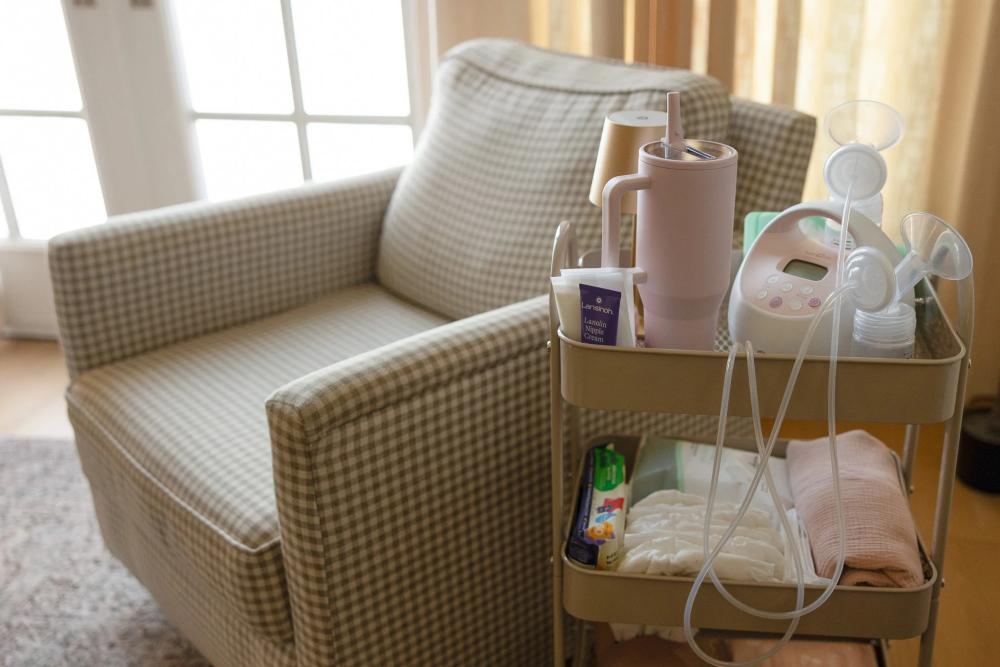
Creating a Practical Pumping Space
Aeroflow's survey found that 31% of moms had no dedicated space to pump at work, while 44% said they lacked a proper place to pump.
These numbers highlight an important distinction: having legal protections in place doesn't always mean having a pumping space that's convenient or practical to use. While federal law establishes minimum requirements a pumping space should also be practical and easy to use during a busy workday.
Employers aren’t required to provide a dedicated lactation room. A private office or temporarily designated space may satisfy legal requirements as long as it’s available when needed and meets privacy standards.
Beyond meeting the minimum requirements, a well-designed pumping space can help make pumping more manageable. The Department of Labor notes that access to electricity and a nearby sink can improve the functionality of a pumping space.
Ideally, a workplace pumping space should include:
-
A clean, private space free from interruptions
-
A comfortable chair and a flat, stable surface for a breast pump and other supplies
-
A convenient location that doesn't require employees to walk a long distance from their workspace
-
Easy access to an electrical outlet and a secure place for personal belongings while pumping
-
Nearby access to a sink for washing hands and pump parts
-
Access to a refrigerator or other milk storage option
-
Easy access to the space, without complicated scheduling procedures
Prepare Before You Return to Work
Before your first day back, learn about your employer’s policies and talk with your manager or human resources department about what you'll need. It's much easier to work through potential challenges ahead of time than to figure them out during your first few days back.
You may want to ask:
-
Where will I pump?
-
How do I reserve or access the lactation space?
-
Who should I contact if the space isn't available when I need it?
-
How will pumping breaks work with my regular schedule?
-
Where can I store my expressed breast milk?
-
Where can I keep my pump and other supplies during the workday?
While starting the conversation can feel uncomfortable, 53% of working moms surveyed said they had supportive conversations with their HR department or supervisor about pumping at work. At the same time, 18% said they avoided the conversation or were concerned about receiving a negative reaction.
If you're nervous about bringing it up, remember that you don't need to have every detail figured out beforehand. Your pumping needs may change once you're back at work and you can make adjustments as you go.
Tips for Pumping at Work
Once you have a plan for where and when you'll pump, a little preparation can make those first days back feel more manageable.
Get Familiar With Your Pump
Before returning to work, practice assembling, using and cleaning your breast pump. This will also give you a better sense of how long your pumping sessions take.
If you're having trouble using your pump or aren't sure whether it is working well for you, consider reaching out to a lactation consultant before returning to work.
Build a Routine That Works for You
Your pumping routine will depend on how long you're away from your baby, your baby's feeding patterns, and your individual needs. In general, expressing milk when you're away from your baby will help maintain your milk production when you can’t be together.
Once you're back at work, pay attention to what is and isn't working. Your baby's feeding patterns and your own needs may change over time. Having a general plan is helpful, but there’s no single schedule for everyone.
Make Time for Pumping
When possible, block time for pumping on your calendar just as you would for other important commitments. This can make it easier to schedule meetings and other responsibilities around your pumping sessions. Having a backup plan for unexpected meetings or schedule changes can also help you protect your pumping time and your milk supply.
Know What to Pack
Having your pumping supplies organized before you leave for work can help make your day go more smoothly.
Depending on your needs, you may want to bring:
-
Your breast pump and pump parts
-
Power cord or batteries
-
Milk storage containers
-
Labels and a pen
-
Cooler and ice packs, if needed
-
Pumping bra, if desired
-
Cleaning supplies, such as soap, sprays, or wipes
-
Extra pump parts so you don't have to wash them at work
Also, consider keeping a few backup supplies at work so forgetting one item doesn't derail your entire pumping plan for the day.
Give Yourself Time to Adjust
The first few days and weeks back at work can come with a learning curve. You may discover that you need more or less time to pump than you originally expected or that parts of your original routine simply don’t work once you're back on the job.
That's okay. Give yourself time to figure out what works for you, your baby, and your work schedule. You can make adjustments as you go.
What to Do if You Feel Uncomfortable Pumping at Work
Having access to a lactation room doesn't automatically make pumping at work feel more comfortable. In Aeroflow's recent survey, 46% of moms said they felt some level of pressure to hide their pumping at work.
If this sounds familiar, you can:
-
Talk with your manager about your pumping needs and how they’ll fit into your workday.
-
Decide how much information you're comfortable sharing with coworkers.
-
Reach out to human resources if you need support navigating workplace policies.
-
Ask for additional support if your needs aren’t being accommodated.
You don't have to feel comfortable discussing breastfeeding or pumping with everyone at work. However, you also don't need to apologize for taking the time you need to express milk for your baby. If you experience challenges accessing pumping breaks or an appropriate space, document the issue and your attempts to resolve it, then review your workplace rights and legal protections to determine your next steps.

How Employers, HR, and Managers Can Lead the Way
Workplace policies and clear, empathetic leadership can make a real difference for breastfeeding moms returning to work. Plus, the benefits of workplace lactation support go beyond just helping working mothers. It has also been associated with lower absenteeism, improved employee retention, and greater job satisfaction.
Here's how employers can help make breastfeeding support part of work culture:
-
Make Policies Easy to Find: Include information about pumping breaks, lactation spaces, and milk storage in employee handbooks and return-to-work resources.
-
Communicate Expectations In Advance: Make sure employees know how to access the lactation space and schedule pumping breaks.
-
Support Reasonable Flexibility: Work with employees to build pumping breaks into their workday and make adjustments when schedule changes are necessary.
-
Train Managers and Supervisors: Managers don't need to be lactation experts, but they should understand workplace policies and approach breastfeeding employees with an accepting attitude.
-
Create a Supportive Work Culture: Employees shouldn't feel pressured to hide pumping, apologize for taking breaks, or worry that expressing milk will be viewed as an inconvenience.
When breastfeeding and pumping are treated as a normal part of supporting employees and families, employees are less likely to feel like they're asking for special treatment when they need a pumping break or other support.
Finding Support That Works for You
Returning to work shouldn't mean that your breastfeeding relationship has to end. Continuing to provide breast milk while you're away from your baby often requires more than determination alone. It requires time, space, and support.
When that support is there, women don't have to choose between their jobs and their feeding goals—and everyone benefits.
*This research was commissioned and sponsored by Aeroflow Breastpumps in June 2026. Findings reflect responses from 300 postpartum respondents who were or still are breastfeeding and are not necessarily representative of all breastfeeding experiences. The survey was conducted by a third-party administrator, Prodege.