
Finding the right flange size can make a world of difference in your pumping journey. Use the tools below to determine the right fit!
Breast Pump Flange Size Guide
Finding the right flange size can make a world of difference in your pumping journey. Use the tools below to determine your best fit!
What is a Breast Pump Flange?
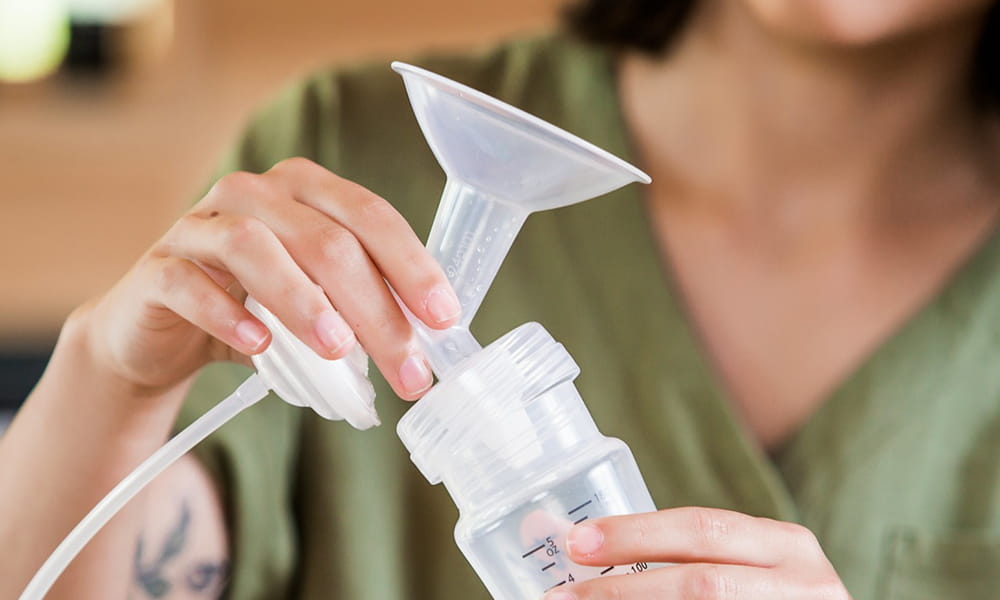
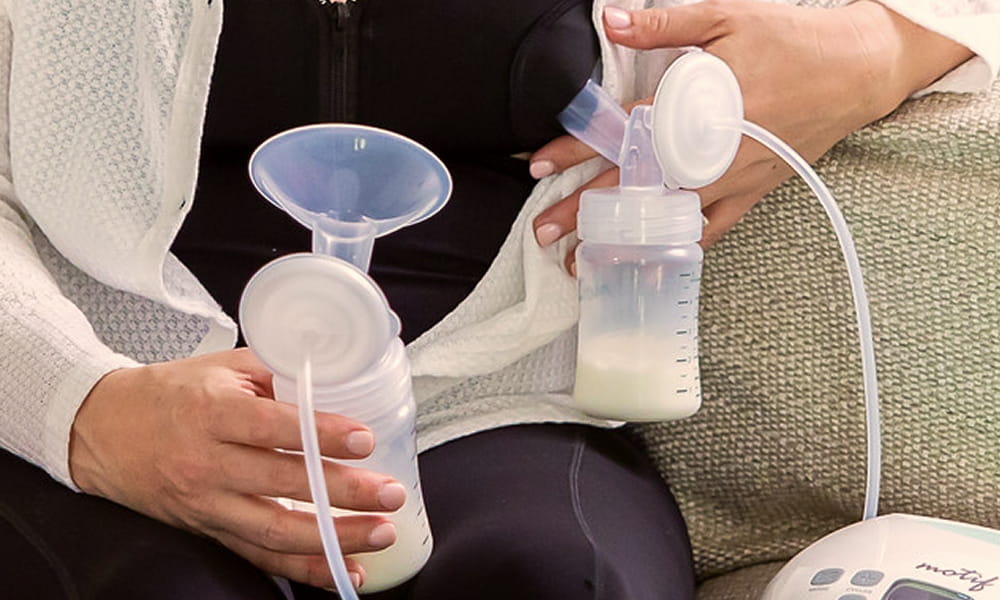
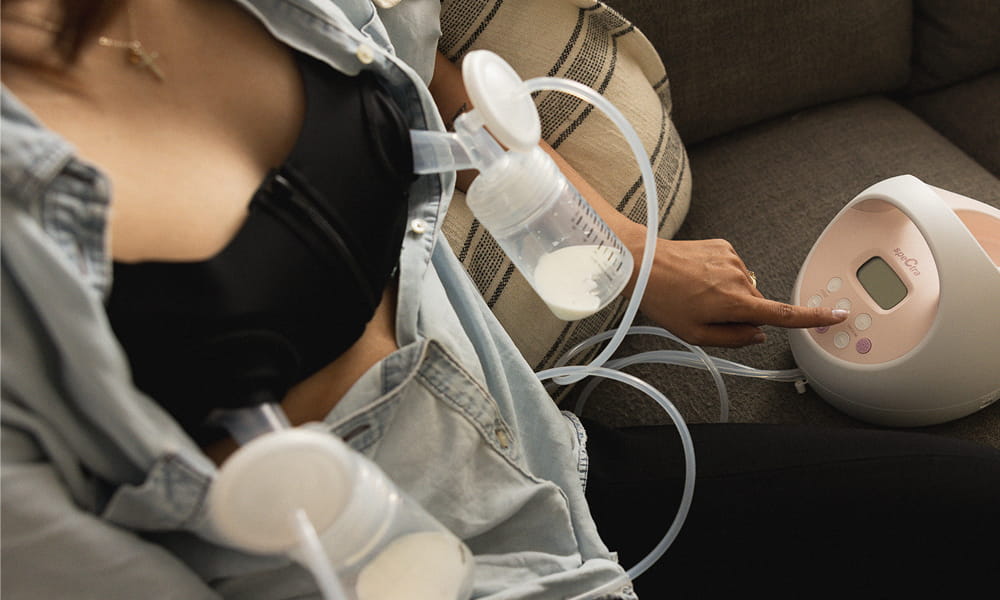
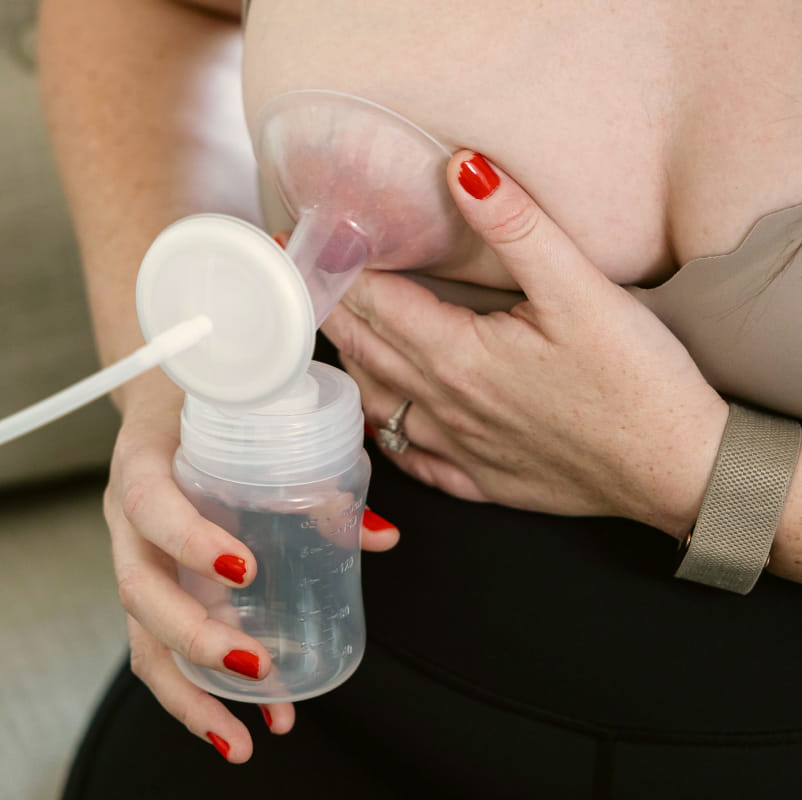
A breast pump flange, also called a breast shield, is the part of the pump that fits directly over your nipple. When you begin to pump, gentle suction creates a vacuum seal that draws your nipple into the flange tunnel to support comfortable and efficient milk removal.
Having the correct flange size is important for effective suction and milk expression. The wrong flange size may contribute to nipple pain and damage, decreased milk output, clogged milk ducts, or mastitis.
Flange Fit During Pumping
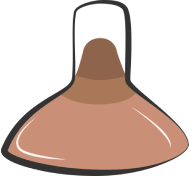
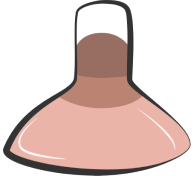
GOOD FIT
Your nipple should be able to move gently in the flange tunnel without pain.
TOO SMALL
A flange that is too small can cause friction as the nipple moves through the tunnel, resulting in discomfort and nipple damage.

TOO LARGE
A flange that is too large can allow too much of your areola to enter the flange tunnel and can result in painful swelling and rubbing.
When Should I Measure My Flange Size?
Many moms find that the most helpful time to measure is around 2 weeks postpartum, once early swelling and engorgement have started to settle. This can give you a more accurate starting point for finding a comfortable and effective fit.
If you know you’ll need or want to pump earlier, measuring during pregnancy can still be helpful. Just keep in mind that your nipple size may change after birth, so it’s a good idea to remeasure in the weeks that follow.
Will My Flange Size Change?
Possibly! Your breasts and nipples may change throughout pregnancy and the postpartum period, especially in the early weeks as your breast milk supply is getting established. Because of this, the flange size that felt okay at first might not stay the best fit over time.
It’s a good idea to recheck your flange size anytime pumping starts to feel uncomfortable or if your feeding or pumping routine shifts (like pumping more or less often). Signs that it may be time to reassess can include nipple pain, rubbing or pinching, swelling, or decreased milk output, despite regular pumping. Some moms find it helpful to remeasure before ordering replacement pump parts, just to be sure they’re getting the perfect fit for where their body is right now.
How to Find the Right Flange Size
- Do not pump or breastfeed right before measuring your nipple.
- If your nipple is a little flat, you can gently roll to stimulate and make it easier to measure.
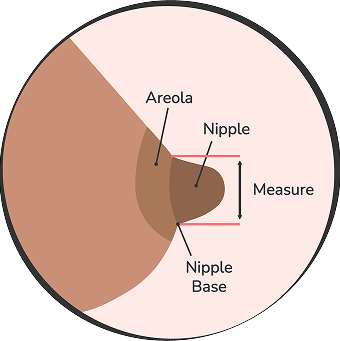
- Measure your nipple in millimeters at the widest part (typically the base of your nipple, but not always).
- Measure both nipples—you may need a different size for each breast.
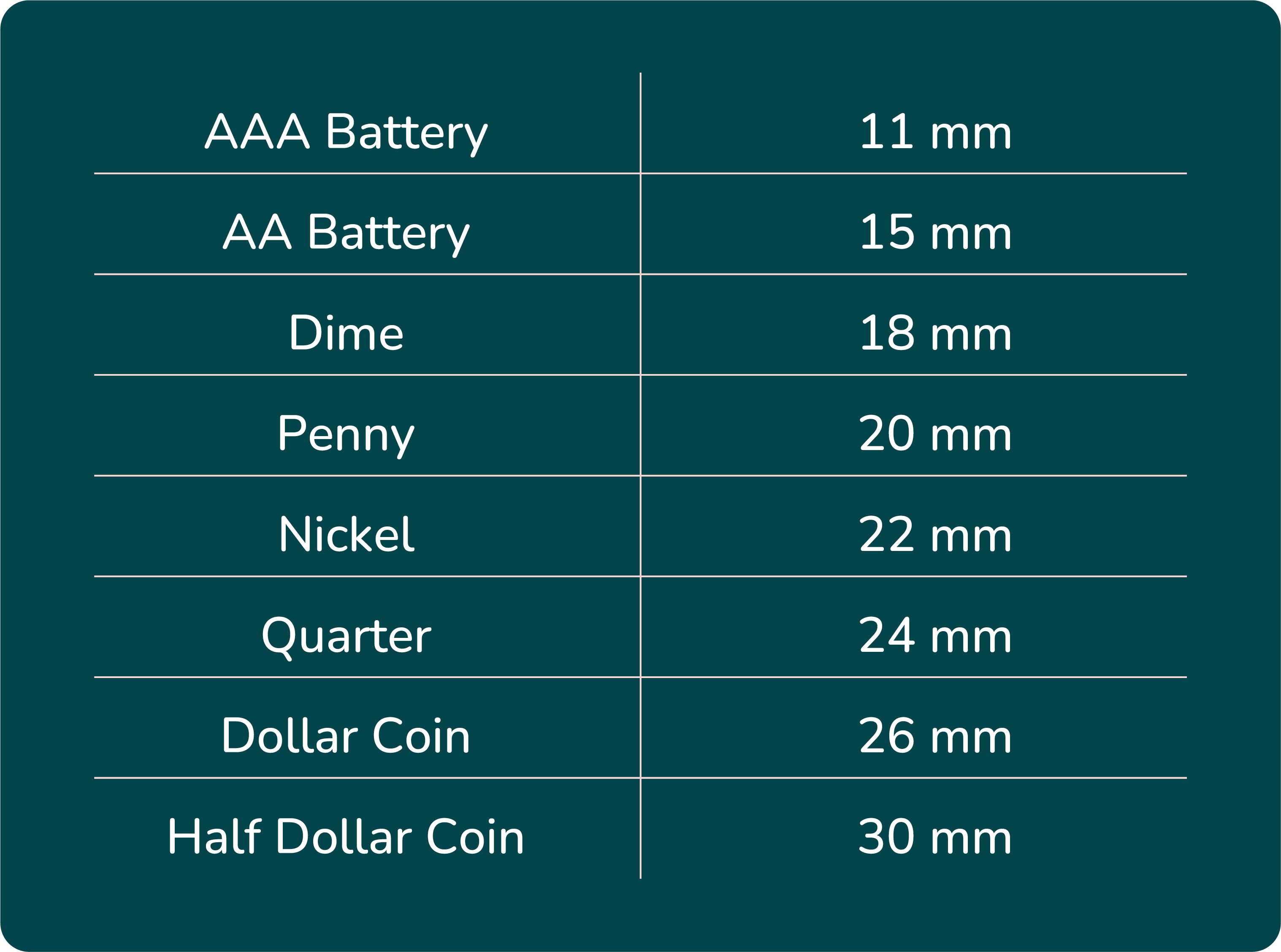
- You can use a measuring tape, silicone nipple measuring tool, or this printable measuring ruler to determine the diameter of your nipple.
How to Find the Right Flange Size
- Do not pump or nurse before measuring, but do roll your nipple gently to stimulate.
- You can use a measuring tape, silicone nipple measuring tool, or this printable measuring ruler to determine the diameter of your nipple.
- Measure your nipple in millimeters at the widest part (typically the base). Measure both breasts as you may need two different sizes.
- Most moms find that adding 0-3 mm to their nipple size provides the most comfortable and effective flange size.
Tools to Measure Flange Size
You can also use these common household items to measure your nipple diameter and find the right flange size, if you don’t have a measuring tape or tool.
The COMFY Test
Use the acronym “COMFY” to help determine the right breast pump flange size for you. It was created to help moms remember five key principles for finding the best fit. Measurement is a helpful starting point, but comfort, fit, and milk output during pumping are just as important.
C – Center Nipples Behind the Flange Opening
Your nipple should move in the tunnel without pain, swelling, or color change.
O – Only the Nipple Should Enter the Flange Tunnel
Many moms find the most comfortable and effective flange is closely fitted to their nipple diameter.
M – Motion of Your Breast is Gentle and Rhythmic
There should be no loss of suction or sudden release of breast tissue at the end of each cycle.
F – Feels Comfortable
Your breast pump shouldn't be uncomfortable or cause any pain and tenderness.
Y – Yields Well-Drained Breasts
Your breasts should feel softer and lighter after each pumping session.
What Flange Sizes Come with My Breast Pump?
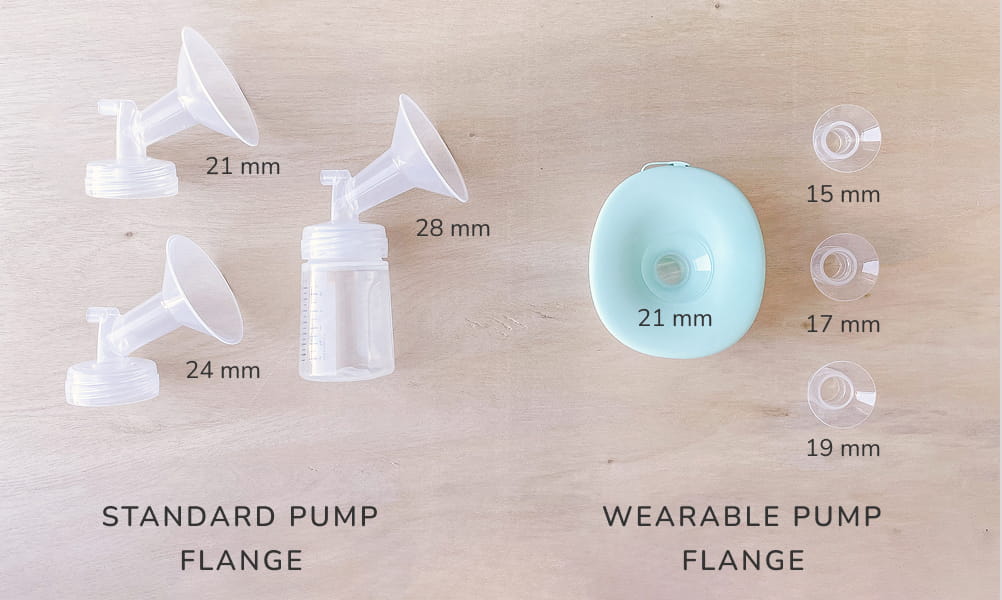
Many pumps come with standard 24mm flanges, but you may find that you need a smaller or larger size based on your nipple measurement and pumping experience.
Breast pump flanges come in a wide range of sizes (typically 10mm–40mm). If the flange size that comes with your pump feels too big, silicone flange inserts can be a helpful alternative. These fit inside a 24 mm flange to gently reduce the diameter, helping you achieve a more comfortable and effective fit without needing a whole new set of parts.
And if your size isn’t offered by your pump’s manufacturer, you still have options—many flanges and inserts are designed to be compatible across brands. One of our lactation consultants can help you sort through those choices and find something that works best with your specific pump.
What if Pumping Still Doesn’t Feel Right?
If pumping still feels uncomfortable or just isn’t working the way you expected, a few small adjustments can make a big difference. While many women find that using a flange size closest to their nipple size works best, some moms find that a slightly larger flange (up to 2–4 mm) feels more comfortable and works better for them.
It’s also very normal to experiment with more than one size or style before finding the right fit. Different materials, like plastic or silicone, can feel quite different during pumping, and what works feels best can vary from person to person. Finding the right flange is rarely a one-and-done process, and it often takes a little practice and patience to figure out what works best for you.
Insurance May Cover Replacement Pump Parts
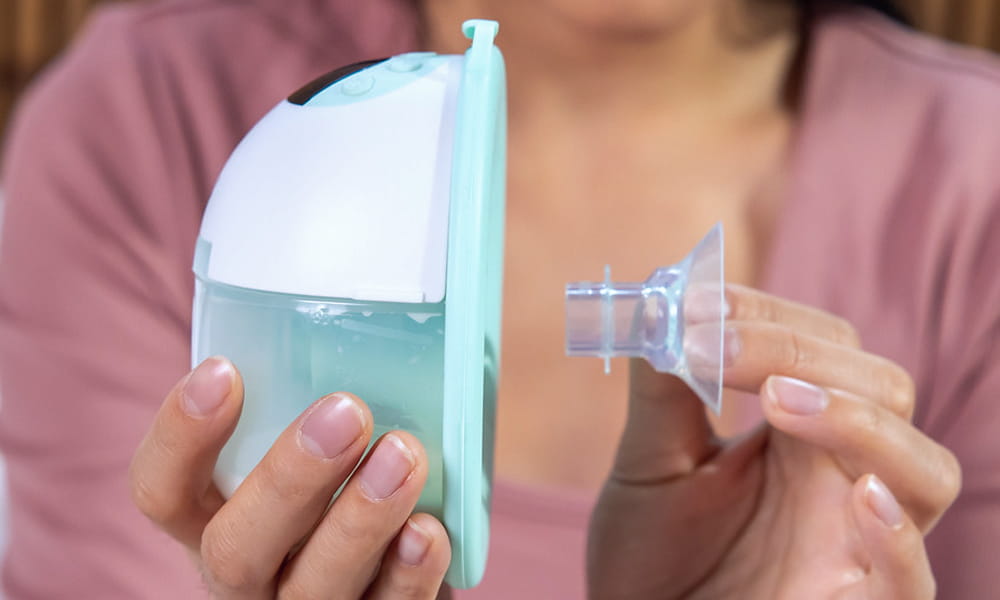
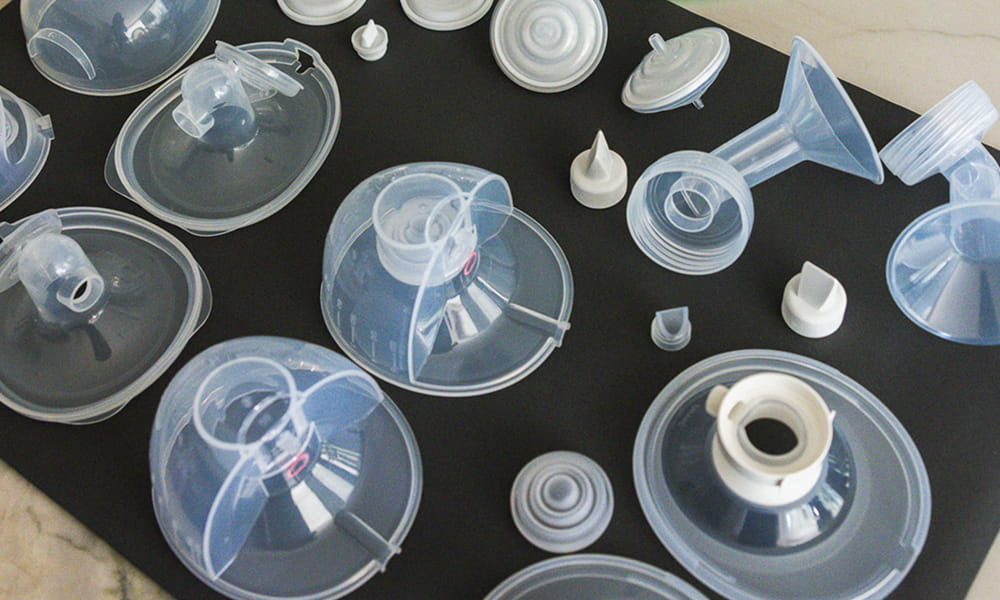
Many insurance plans cover replacement breast pump parts, which can include flanges, valves, membranes, and tubing. These parts naturally wear down over time, and having fresh supplies can help keep your pump working comfortably and effectively.
If you’re noticing changes in fit or comfort, this can be a great time to check your coverage and see what you’re eligible for. Using these benefits can make pumping more comfortable and enable you to adjust your flange size as your body changes.
Additional Pumping & Flange Fit Resources
How to Fit Your Flange Class
A lactation consultant will walk through the process step-by-step. Includes video demonstrations and the opportunity to ask questions.
How to Use a Breast Pump Care Guide
Curious about how to get started using your breast pump? Our lactation consultants have written a detailed guide that covers setup and pumping tips.
Virtual Appointment with a Lactation Consultant
Our lactation consultants are also available to offer personalized, one-on-one guidance to help you find the best fit for your body.
Still Have Questions About Your Flange Fit?
Get guidance from a lactation consultant.
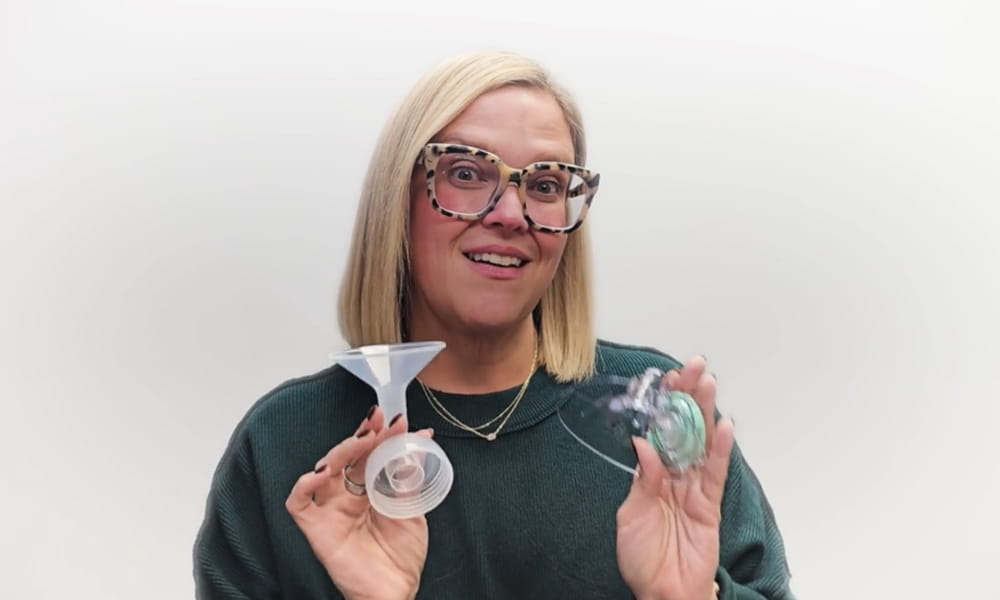
Watch this quick video from one of our LCs, then dive deeper with our How to Fit Your Flange class, taught live by our lactation consultants. The class walks through flange fitting step-by-step, includes video demonstrations, and gives you the opportunity to ask questions.
How to Use a Breast Pump Care Guide
Curious about how to get started using your breast pump? Our lactation consultants have written a detailed guide that covers setup and pumping tips.
Virtual Appointment with a Lactation Consultant
Our lactation consultants are also available to offer personalized, one-on-one guidance to help you find the best fit for your body.
Available Sizes
Flanges and flange inserts (silicone insert that reduces the size of 24mm flanges) are available from 10mm-40mm. Download the chart to find available flange sizes for select pumps. If your flange size isn’t available through your pump’s manufacturer, a lactation provider can guide you in purchasing a flange or sizing insert that is compatible with your pump.
Will My Flange Size Change?
Possibly! Your breasts may change throughout your pregnancy and the postpartum period, so it’s important to check your flange size if your pumping sessions become painful or less effective.
You may qualify for new breast pump supplies through insurance. Be sure to choose the best fitting flange.