Berry Baked Oatmeal for Milk Supply
- By Aeroflow Breastpumps
- Aug 4, 2026
For centuries, many cultures have incorporated traditional foods and herbs into postpartum diets to support recovery, replenish nutrients, and nourish mothers during breastfeeding. Oatmeal has become one of the most popular foods associated with lactation support because it's affordable, widely available, comforting, and nutritious. Many breastfeeding mothers enjoy oatmeal as part of their postpartum eating plan and choose it because of its traditional association with supporting milk production.
Foods that are believed to support breast milk supply are often referred to as galactagogues. Galactagogues are medications, herbs, foods, or other substances believed to help initiate, maintain, or increase milk production. While oatmeal is often considered a food-based galactagogue, scientific evidence has not shown that oats alone increase your milk supply. Interest in galactagogues continues to grow because concerns about low milk supply are one of the most common reasons mothers stop breastfeeding earlier than they planned.
Does Oatmeal Increase Breast Milk Production?
Currently, the Academy of Breastfeeding Medicine states that there is insufficient evidence to recommend any specific galactagogue. Similarly, the American College of Obstetricians and Gynecologists recommends that galactagogues not be used as a first-line approach for breastfeeding challenges.
While no single food has been shown to increase milk supply for everyone, oats remain a common ingredient in many popular breastfeeding recipes. Oats are nutritious, versatile, and can help meet the increased calorie and nutrient needs during breastfeeding, which may help boost supply.
How Much Oatmeal Should I Eat Daily to Support Breastfeeding?
Many mothers search for oatmeal for milk supply when they are looking for ways to support breastfeeding. While there is no specific amount of oatmeal that is guaranteed to increase milk production, including a serving as part of a balanced postpartum diet can be a nutritious way to support your overall health and meet the increased calorie and nutrient demands of breastfeeding. Whether you prefer instant oats, overnight oats, a warm bowl of steel-cut oatmeal, or recipes like this berry baked oatmeal, choose an option that fits your appetite and dietary preferences.
How Quickly Can I Expect to See Results in My Milk Supply After Eating Oatmeal?
Because research has not shown that oatmeal directly increases milk supply, there is no expected timeline for seeing a change after eating oats. Some mothers report a noticeable difference in milk volume within a few days, while others report changes after eating oatmeal consistently for a week or longer. Some mothers do not notice any change in their milk supply at all. These experiences vary and do not necessarily mean that oats were the cause of the change.
Easy Berry Baked Oatmeal for Milk Supply
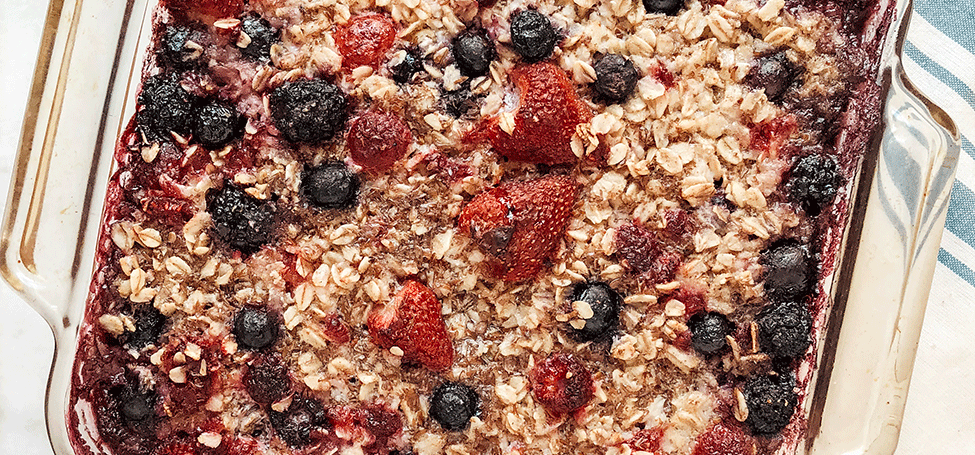
This easy berry baked oatmeal for milk supply is a make-ahead breakfast that fits easily into your daily routine during breastfeeding. This recipe provides a nutritious combination of whole grains, fruit, and other wholesome ingredients. Enjoy it with a cup of milk as a nourishing breakfast food, satisfying snack, or dessert when you're craving something sweet.
Made with ingredients commonly used in lactation cookies and other lactation treats, it’s easy to make, freezer-friendly, and delicious any time of day.
Why You'll Love This Recipe
-
Easy to prepare
-
Make-ahead and freezer-friendly
-
Great for breakfast or snacks
-
Made with nutrient-dense ingredients
-
Satisfies your sweet tooth
-
Customizable with your favorite berries, fresh fruit, nuts, or chia seeds
What You'll Need to Make This Recipe
-
2.5 cups rolled oats
-
2 teaspoons ground cinnamon
-
1 teaspoon baking powder
-
A pinch of salt
-
1/3 cup maple syrup
-
1 tablespoon coconut oil, melted, plus extra to grease the pan
-
2 flax eggs (made with 2 tablespoons ground flaxseed and 5 tablespoons water)
-
2.5 cups milk of your choice (try oat milk for a creamy, dairy-free option)
-
2–3 cups of mixed berries
How To Make Berry Baked Oatmeal for Milk Supply
-
Preheat the oven to 400°F
-
Grease a 9-inch square baking dish with coconut oil
-
In a large measuring cup, whisk together the ground flaxseed and water, then let the mixture sit for about 5 minutes to thicken
-
In a bowl, mix together the oats, cinnamon, baking powder, and salt, then fold in the berries
-
Add the milk, maple syrup, and melted coconut oil to the measuring cup with the flax eggs and whisk until combined
-
Transfer the dry oat mixture to the prepared baking dish and spread it into an even layer
-
Pour the wet ingredients evenly over the oat mixture, gently pressing the oats down with the back of a spoon until they're fully moistened
-
Bake for 30–35 minutes, then let cool slightly
-
Enjoy warm, or refrigerate leftovers within 2 hours in an airtight container for up to 4 days
-
Freeze individual portions for up to 3 months and reheat as desired
Recipe Variations
Optional Additions: For extra flavor, texture, and nutrition, customize each serving with fresh fruit, nuts, chia, or fennel seeds.
-
Add chopped walnuts or pecans for crunch
-
Sprinkle chia seeds on top before serving
-
Stir in ground flaxseed for extra fiber
-
Add ½–1 teaspoon of fennel seeds to the oat mixture or sprinkle on top before baking for a subtle sweet, licorice-like flavor that pairs well with cinnamon and fruit
Why These Ingredients Make This Recipe Nutritious
While each ingredient contributes unique flavor and specific nutrients, it's the combination of whole grains, fruit, healthy fats, and other ingredients that makes this berry baked oatmeal for milk supply a nutritious option.
Oats
There are several types of oats, including whole oat groats, steel-cut oats, rolled oats, and quick oats. Whether you enjoy a serving of oats as a warm bowl of oatmeal, overnight oats, savory oatmeal, or recipes like this berry baked oatmeal, oats are a versatile whole grain. Rich in beta-glucan, a type of soluble fiber, oats may help support healthy cholesterol levels and heart health as part of a balanced diet.
Oats also provide vitamins, minerals, and beneficial plant compounds called phytochemicals, many of which have antioxidant and anti-inflammatory properties. Researchers continue to study how these compounds may contribute to heart, metabolic, immune, and gut health. Because breastfeeding increases calorie and nutrient needs, nutrient-dense whole grains like oats can be a delicious and satisfying choice.
Cinnamon
Cinnamon has been used for centuries in traditional herbal medicine and adds warmth and flavor to baked oatmeal. Although it is typically used in small amounts, it contains minerals such as potassium, magnesium, and calcium, which play important roles in muscle and nerve function, bone health, blood flow, and blood pressure regulation. In this berry baked oatmeal for milk supply recipe, cinnamon adds warm, delicious flavor.
Maple Syrup
Maple syrup contains naturally occurring sugars along with antioxidants, phytochemicals, and small amounts of minerals, vitamins, and amino acids. Compared with refined sugar, it has a lower glycemic index, meaning it generally causes a slower rise in blood sugar when consumed in moderation. In this recipe, a moderate amount of maple syrup provides natural sweetness without overpowering the other wholesome ingredients.
Ground Flaxseed
Ground flaxseed provides omega-3 fatty acids, fiber, vitamins, minerals, and lignans, beneficial plant compounds with antioxidant properties. Ground flaxseed is generally recommended over whole flaxseed because it is easier to digest and absorb. With its mild, nutty flavor, ground flaxseed blends easily into lactation treats like this berry baked oatmeal recipe. It also adds fiber, texture, and nutritional value.
Berries
Berries are rich in fiber, vitamin C, minerals, and phytochemicals. Researchers continue to study their potential role in supporting overall health and reducing the risk of certain chronic illnesses. In this berry baked oatmeal for milk supply recipe, berries add natural sweetness, vibrant color, fiber, valuable nutrients, and delicious flavor.
Together, these simple ingredients create a flavorful, nutrient-dense recipe that's easy to prepare and enjoy throughout the postpartum period. Whether you make it ahead for busy mornings, enjoy it as a satisfying snack, or freeze individual portions for later, this berry baked oatmeal is a delicious way to enjoy the potential lactation benefits.
Why Postpartum Iron Needs Are Important During Breastfeeding
Maintaining healthy iron levels is an important part of postpartum recovery and overall health during your breastfeeding journey. Iron needs increase during pregnancy, and blood loss during and after birth can contribute to lower postpartum iron levels. Low iron levels and iron-deficiency anemia are associated with increased fatigue, which may make breastfeeding or pumping feel more challenging. Research also suggests that maternal anemia may be associated with low milk supply.
Healthy, full-term human babies are typically born with iron stores that can help meet their iron needs for about the first 6 months of life. As your baby grows and begins eating complementary foods, iron-rich foods become an important part of meeting their nutritional needs. For new mothers, addressing low iron levels can support energy, wellbeing, and the ability to care for and feed their babies.
How Food Can Help Support Healthy Iron Levels
Choosing a variety of nutrient-dense foods, with a high iron content, can help support healthy iron levels during the postpartum period. Pairing foods that contain iron with vitamin C-rich foods can help increase iron absorption. This berry baked oatmeal for milk supply recipe combines iron-containing ingredients like oats and ground flaxseed with vitamin C-rich berries, making it a delicious way to include whole grains and nutrients that support a balanced diet during breastfeeding.
-
Iron-Rich Foods: Foods that are a good source of iron include meat, poultry, fish, beans, and lentils.
-
Vitamin C-Rich Foods: Berries, citrus fruits, and leafy greens such as Brussels sprouts, kale, and broccoli are vitamin C-rich foods.
If you are concerned about low iron levels, anemia, fatigue, milk supply, or pumping output, seek medical advice from your healthcare provider. A Registered Dietitian Nutritionist can provide personalized nutritional support to help you identify foods and strategies that meet your individual needs during the postpartum period.
Understanding Breast Milk Production
Milk production begins after your baby is born and the placenta is delivered. It is influenced by hormones, body processes, and how frequently milk is removed by your baby or a breast pump. When milk is removed, nerve signals travel to the brain, prompting the pituitary gland to release prolactin, a milk-making hormone that stimulates the mammary glands. Frequent and effective milk removal helps stimulate your supply by signaling the breast tissue to continue making milk.
What Else Can I Do if I'm Concerned About My Own Milk Supply?
Changes or concerns with milk supply are not always related to a single factor. Feeding patterns, maternal or infant health, and individual circumstances can all affect your production.
Strategies that may help increase milk supply include:
-
Aiming for a deep, comfortable latch
-
Breastfeeding frequently, at least 8-12 times in 24 hours
-
Offering both breasts at each feeding
-
Gently massaging and compressing your breasts during feedings
-
Hand expressing after breastfeeding
-
Pumping after feedings to further stimulate supply
-
Staying hydrated and eating a balanced diet
-
Resting and recovering
The key takeaway is that while nourishing foods like oatmeal can be a healthy addition to your breastfeeding journey, milk production is influenced by many factors. Frequent and effective milk removal plays an important role in supporting your production, and identifying the underlying cause of supply concerns can help you find the right support.
How Lactation Support Can Help
An International Board Certified Lactation Consultant (IBCLC) can evaluate feeding and pumping patterns and help identify factors that may be affecting milk production. Working with an IBCLC who has lactation expertise can help you feel informed, supported, and confident as you make decisions that are right for you and your baby.
Whether you have questions about latch, pumping, milk supply, or your overall breastfeeding experience, our lactation consultants are here to help you understand what is happening and identify next steps that work for you and your baby. Reach out to an Aeroflow lactation consultant for personalized guidance and encouragement on your breastfeeding journey.
Enjoy this berry baked oatmeal as a nourishing addition during this special time. The time, care, and effort you put into feeding and nurturing your baby matter. Whether you breastfeed, pump, supplement, or combine approaches, you are doing an amazing job—and every drop counts.