Your First Prenatal Visit: What to Expect and Questions to Ask
- By Dr. Jessica Madden , Alyssa McPherson
- Aug 4, 2026
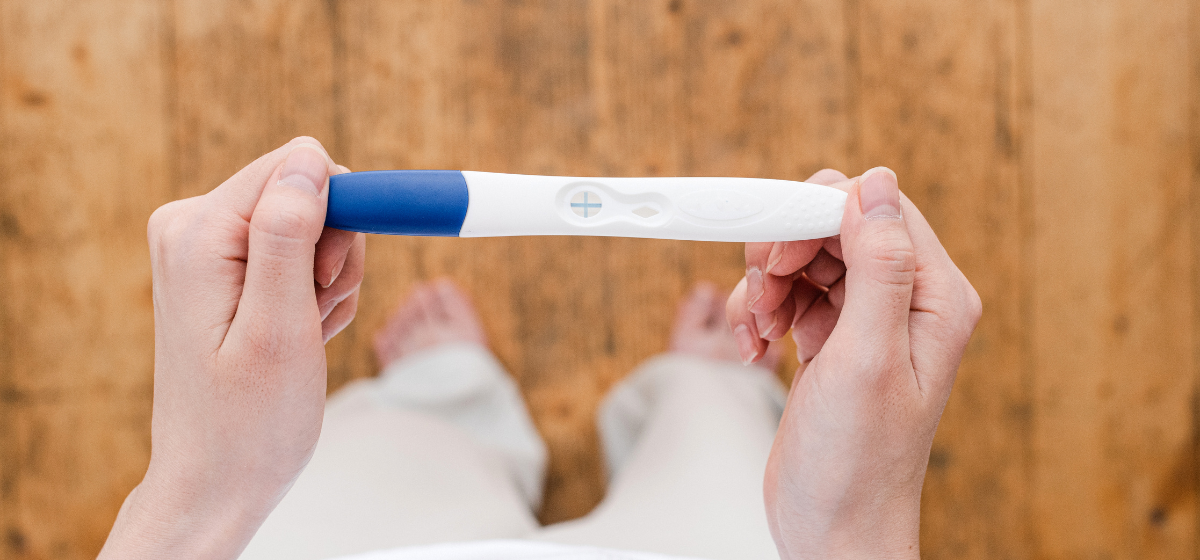
Congratulations on your pregnancy! One of the first steps after a positive pregnancy test is scheduling your first prenatal appointment. This visit is your opportunity to begin prenatal care, learn more about your baby's development, and start building a relationship with your healthcare provider. Here's what you can expect and some helpful questions to ask at your first prenatal visit.
IN THIS ARTICLE:
What to Expect at Your First Prenatal Appointment
How Will My Due Date Be Calculated?
What Other Tests are Done During the First Prenatal Visit?
What Should I Bring to My First Pregnancy Exam?
What Questions Should I Be Prepared to Answer During My First Prenatal Visit?
What is a List of Questions that I Should Be Prepared with to Ask During My First Prenatal Visit?
What to Expect at Your First Prenatal Appointment
The first prenatal visit, which is typically scheduled during your first trimester (between 6 and 8 weeks of pregnancy), is the first of many appointments with your obstetrician/gynecologist (OB/GYN) or midwife.
During this visit, your provider will confirm your pregnancy, estimate your due date, review your medical, family, and pregnancy history, order routine blood work, perform a physical exam, and answer any questions you may have. This is also an opportunity to get to know your healthcare provider and begin creating a personalized care plan for your pregnancy.
It's best to schedule your first prenatal appointment soon after getting a positive home pregnancy test. You're welcome to bring a partner or support person to the appointment for encouragement, to help ask questions, and to share in this exciting milestone.
Confirming Your Pregnancy
During your first appointment, your provider will confirm your pregnancy with an in-office urine test and blood work that measures your hCG level. This hormone rises during early pregnancy and provides information about how your pregnancy is progressing. If your results don't match how far along you appear to be, your provider may recommend repeat testing or an ultrasound.
Estimating Your Due Date
One of the most exciting parts of your first prenatal visit is estimating your due date. Your due date is based on the first day of your last menstrual period (LMP). If you know the date your last period started, your provider can estimate your due date by adding 7 days to your LMP and then subtracting 3 months. For example, if your period started on 2/14, your estimated due date would be 11/21 (2/14 + 7 days = 2/21 and 2/21 – 3 months = 11/21).
If you're unsure of the date of your last period, your OB/GYN or midwife may use an early ultrasound to help determine your due date.
Knowing your estimated due date helps your healthcare provider monitor your baby's growth and development throughout each stage of your pregnancy. While only a small percentage of babies are born on their exact due date, having an accurate estimate helps guide recommended testing and prenatal care.
Your Physical Exam
During your first prenatal visit, your healthcare provider will perform a physical exam that may include checking your heart, lungs, breasts, and abdomen. In many cases, a pelvic exam will also be performed. If you are due for a Pap smear, this may be completed during the same appointment.
Your provider will also check your blood pressure and weight. Monitoring blood pressure throughout pregnancy helps identify any concerns early, and tracking your weight gain helps ensure you are gaining an appropriate amount based on your pre-pregnancy weight and individual needs.
Most pregnancy weight gain occurs during the second and third trimesters, so many women are close to their pre-pregnancy weight during their first prenatal visit. Recommended weight gain varies based on your pre-pregnancy weight:
-
Average weight: 25–35 lbs.
-
Underweight: 28–40 lbs.
-
Overweight: 15–25 lbs.
-
Obesity: 11–20 lbs.
Weight gain recommendations are higher for multiple pregnancies, such as twins or triplets, and your healthcare provider can help determine the appropriate range for your individual pregnancy.
Prenatal Testing and Blood Work
Blood Work at Your First Visit
Your first prenatal visit will include routine blood work to check important information about your health and pregnancy. This may include blood and Rh typing, hemoglobin and hematocrit levels to screen for anemia, and testing for infections that may impact pregnancy, including hepatitis B, rubella, syphilis, gonorrhea, chlamydia, varicella (chickenpox), and HIV.
Your provider will review your results with you and discuss any follow-up care or additional recommendations based on your individual needs.
Tests Later In Pregnancy
Throughout your pregnancy, your healthcare provider will recommend additional screenings to monitor your health and your baby's growth and development. During your first prenatal visit, you can discuss the timing of future ultrasounds and other routine tests.
Prenatal tests later in pregnancy may include:
-
Oral glucose tolerance test: A screening test for gestational diabetes, typically done near the end of the second trimester.
-
Group B strep (GBS) screening: A vaginal swab to test for Group B Streptococcus, a common bacteria, typically performed during the third trimester.
Your provider will let you know which tests are recommended and when they will be performed based on your stage of pregnancy and health history.
Genetic Screening Options
Depending on your age, family history, medical history, and personal preferences, your provider may discuss options for genetic screening during early pregnancy. These screening tests can provide information about your baby’s chance of having certain genetic conditions, but they cannot diagnose a condition. If a screening result suggests an increased chance, your healthcare provider can discuss additional testing options with you.
Your healthcare provider can explain your options, discuss any risk factors, and help you decide which tests, if any, are right for your individual needs.
What Should I Bring With Me to My First Prenatal Appointment?
Preparing for your first prenatal appointment ahead of time can help everything go more smoothly. Consider bringing:
-
Insurance card and photo ID
-
List of medications, vitamins, and supplements
-
Date of your last menstrual period (if you know it)
-
Previous medical records (if applicable)
-
Any questions you'd like to ask your healthcare provider
If you have recently changed providers or have relevant medical records, ask your healthcare provider’s office if they would like you to bring copies before your appointment.
Questions Your Provider May Ask During Your First Prenatal Visit
An important part of your first prenatal visit is sharing information that helps your healthcare provider understand your health history and provide personalized care throughout your pregnancy. Your provider will ask about your medical and surgical history, previous pregnancies, gynecologic history, medications and supplements, family medical history, vaccination history, blood type, and any current or past mental health concerns.
You may also be asked about lifestyle habits, including alcohol use, tobacco use, or other substances, as well as any safety concerns or experiences with domestic violence. These questions are asked to help your care team provide support, connect you with helpful resources, and make sure you receive the care that best meets your needs.
Your provider may recommend lifestyle changes during pregnancy, such as avoiding alcohol, limiting caffeine, stopping tobacco use, following food safety recommendations, or modifying certain activities.
The information you share helps your healthcare provider create a personalized care plan that supports both your health and your baby’s health throughout your pregnancy journey.
Questions To Ask at Your First Prenatal Visit
It’s completely normal to have many questions during your first prenatal appointment, especially if this is your first pregnancy. Every pregnancy is unique, so don't hesitate to ask anything that is on your mind. The following are some common questions many women ask during early pregnancy:
Pregnancy Symptoms
-
What can I do to relieve morning sickness and other pregnancy discomforts?
-
What symptoms or signs should I report to my healthcare provider during pregnancy?
-
How much weight should I gain?
Diet & Lifestyle
-
What prenatal vitamins or supplements do I need to take (such as folic acid)?
-
What medications and supplements should I avoid while pregnant?
-
Do I need to stop drinking coffee?
-
Can I continue to exercise, or do I need to modify my physical activity?
-
Can I keep getting my hair dyed or highlighted?
Baby & Prenatal Care
-
When will I be able to hear my baby’s heartbeat?
-
When will I be able to find out my baby’s sex?
-
Will I see the same healthcare provider for every prenatal visit?
-
Who will deliver my baby?
Prepare for Baby's Arrival
Your first prenatal appointment is just the beginning of your journey to welcoming your baby. Most prenatal visits are scheduled every four weeks during the first and second trimesters, then become more frequent as your due date approaches. Throughout pregnancy, your care team will monitor your baby’s growth, discuss nutrition and healthy weight gain, review blood work, and support you as you prepare for labor, birth, and postpartum recovery.
Each prenatal visit is an opportunity to ask questions, share any new symptoms or concerns, and feel more confident about the next stage of your pregnancy. As your due date gets closer, you may also begin discussing your birth plan and preferences for labor, delivery, and postpartum care. Staying informed and communicating openly with your care team can help you make decisions that are right for you and provide greater peace of mind.
Lactation Support From Aeroflow
As you prepare to welcome your baby, you may also be thinking about how you’d like to feed your baby. Whether you plan to breastfeed, pump, combine breast milk and formula, or are still exploring your options, having support before your baby arrives can help you feel more prepared.
Aeroflow offers birth, breastfeeding, pumping, nutrition, and parenting classes, along with one-on-one lactation consultations, to help you learn what to expect and feel more confident as you begin your feeding journey. You can also check your eligibility for an insurance-covered breast pump before delivery, so you have the tools and resources you need when your baby arrives.
Preparing ahead of time can make the transition into the postpartum period feel a little less overwhelming. Remember, you don’t have to have every answer before your baby is born—your care team and support resources are here to help you along the way.
About the Author

Jessica Madden, MD, is the Medical Director at Aeroflow Breastpumps. Dr. Madden has been a board-certified pediatrician and neonatologist for over 15 years. She's currently on staff in the neonatal intensive care unit (NICU) at Rainbow Babies and Children’s Hospital in Cleveland, OH. She previously worked in the Boston and Cleveland Clinic Children’s Hospitals. In 2018 she started Primrose Newborn Care to provide in-home newborn medicine and lactation support. She also enjoys traveling, yoga, reading, and spending time with her children.
Information provided in blogs should not be used as a substitute for medical care or consultation.