Can I Get a Tattoo While Pregnant?
- By Aeroflow Breastpumps
- Apr 24, 2025

Hey mama! Thinking about getting a tattoo while pregnant? Whether you already had an appointment booked before finding out you were expecting or you're considering a meaningful piece to commemorate this chapter of life, it’s completely understandable to have questions.
Pregnancy comes with lots of changes, decisions, and emotions—and if body art is on your mind, you’re not alone. Let’s walk through what you should know about tattoos during pregnancy, including potential risks, safety considerations, and some pregnancy-friendly alternatives to consider while you wait.
Understanding the Risks of Getting Tattoos While Pregnant
When it comes to getting a tattoo during pregnancy, most medical professionals recommend waiting until after your baby arrives. If you’re a mama who’s looking forward to getting some new ink to celebrate your pregnancy, we know that this might not be the news you were hoping for. While there isn't an ironclad rule against tattooing during pregnancy, there are important safety considerations and good reasons why waiting is the preferred recommendation.
The main concern is protecting both you and your baby during a time when your body is already doing an incredible amount of work. Here are the key risks to understand:
Tattoo Ink Safety During Pregnancy
One of the biggest unknowns is tattoo ink safety during pregnancy. There is very limited research on how tattoo pigments may affect a developing baby, which is why guidance is so cautious.
During the tattooing process, ink is deposited into the dermis layer of your skin that contains blood vessels, nerve endings, and connective tissue. Because of this, some components of tattoo ink—including certain dyes and heavy metals sometimes found in pigments—have the potential to enter the bloodstream in small amounts, both during and after the procedure as the skin heals.
While there is no clear evidence showing harm to fetal development from tattoo ink exposure, the lack of comprehensive studies or safety data are the key reasons most healthcare providers recommend avoiding unnecessary exposure during pregnancy.
Increased Infection Risk
Pregnancy naturally brings changes to the immune system that help protect both you and your baby during pregnancy. As a result, your body may respond differently to infection compared to non-pregnant times.
Because the tattooing process involves thousands of tiny skin punctures that create open micro-wounds, it does carry a risk of infection while healing. Even with excellent studio hygiene and sterilized equipment, any break in the skin introduces a small but real risk of serious infections—something most providers recommend avoiding when possible during pregnancy.
Signs of infection can include increasing redness, warmth, swelling, pain, or discharge from the tattoo site.
Bloodborne Disease Concerns
Even in clean, professional tattoo studios, there is still an increased risk of exposure to bloodborne infections such as hepatitis B, hepatitis C, HIV, and other viruses if sterilization practices are not followed correctly.
While this risk is generally low in reputable studios, pregnancy is a time when healthcare providers tend to be more cautious about avoiding any preventable exposure. The potential consequences, while rare, can be serious, which is why many providers recommend postponing tattoos until after pregnancy.
Professional Medical Guidance

Most healthcare providers and professional tattoo artists take a clear, consistent stance when it comes to getting tattoos during pregnancy: It's best to wait.
That recommendation isn’t about limiting your choices, it’s about prioritizing your safety and your baby’s well-being while your body is already working hard to support pregnancy.
In fact, many licensed tattoo artists have formal policies in place against tattooing pregnant women. This is not only for liability reasons, but also reflects a professional commitment to safety standards and best practices within the industry. Simply put, most reputable artists prefer to avoid any situation where there may be added health risk, even if that risk is low.
And the reassuring part? You don’t have to miss out forever. Tattoos can absolutely wait until after pregnancy, when your body has had time to recover and you can enjoy the experience more comfortably.
If you are considering a tattoo while pregnant, your first step should always be a conversation with your healthcare provider. They can look at your individual health history, your stage of pregnancy, and any specific considerations, and help you make an informed decision that’s right for you. Your provider is there to help you weigh the potential risks and support you in making the safest decision for you and your baby.
Body Changes and Existing Tattoo Considerations
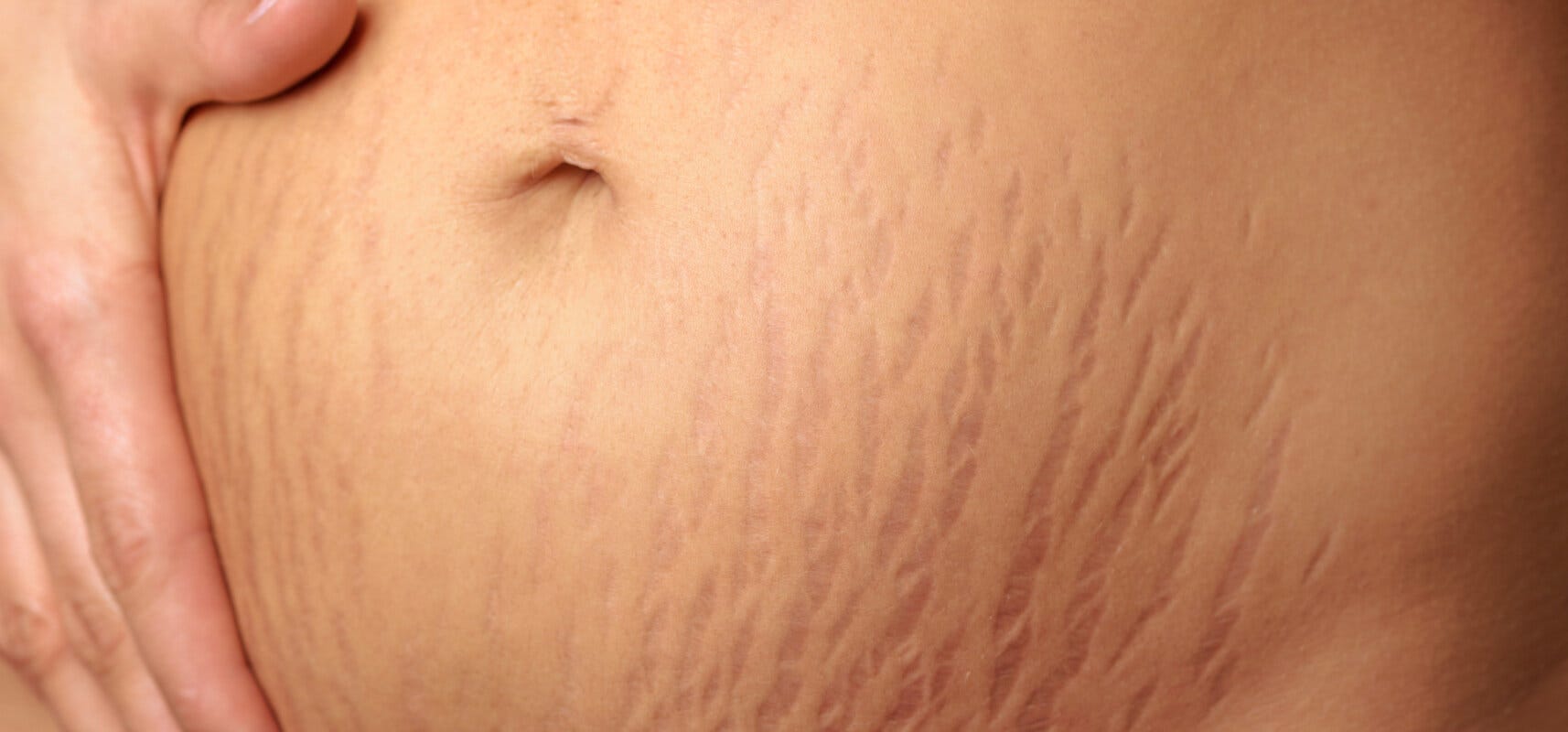
Pregnancy transforms your body in amazing ways, and these changes can naturally affect body art—both new and existing. Here's what you need to know:
Changes to Existing Tattoos
As your body grows and changes during pregnancy, your skin stretches most noticeably around your pregnant belly, growing breasts, and hips.
This can affect tattoos in those areas and may lead to:
-
Distortion of the design
-
Color fading or slight changes in appearance
-
Stretch marks developing through or around the tattoo
And while those changes can feel unexpected, many moms find that their tattoos become part of their story—a visual reminder of everything their body has done during pregnancy. These shifts don’t “ruin” a tattoo so much as they reflect a season of change. And if you ever want to refine or restore the design later on, touch-ups are always an option once your body has settled postpartum.
What If I Already Got a Tattoo Before I Knew I Was Pregnant?
If you got tattooed before finding out you were pregnant, try not to panic. It happens more often than people realize.
Many women don’t realize they’re pregnant right away, and a single tattoo does not automatically mean something harmful will happen. The most important thing is to monitor healing, watch for signs of infection, and keep your healthcare provider informed if you have concerns.
Pregnancy hormones can make your skin more sensitive than usual, which may affect how your body responds during the healing process.
This can sometimes look like:
-
Slower healing than expected
-
Increased skin sensitivity or reactivity
-
More intense itching as the tattoo heals
If you notice anything unusual during healing or you’re unsure about what you’re experiencing, it’s always okay to check in with your healthcare provider for reassurance.
Temporary Tattoo Alternatives During Pregnancy
Instead of getting a permanent tattoo during pregnancy, you might consider temporary alternatives. These can be a fun way to test out a design or simply enjoy a bit of body art during pregnancy, without the long-term commitment.
Henna Tattoos
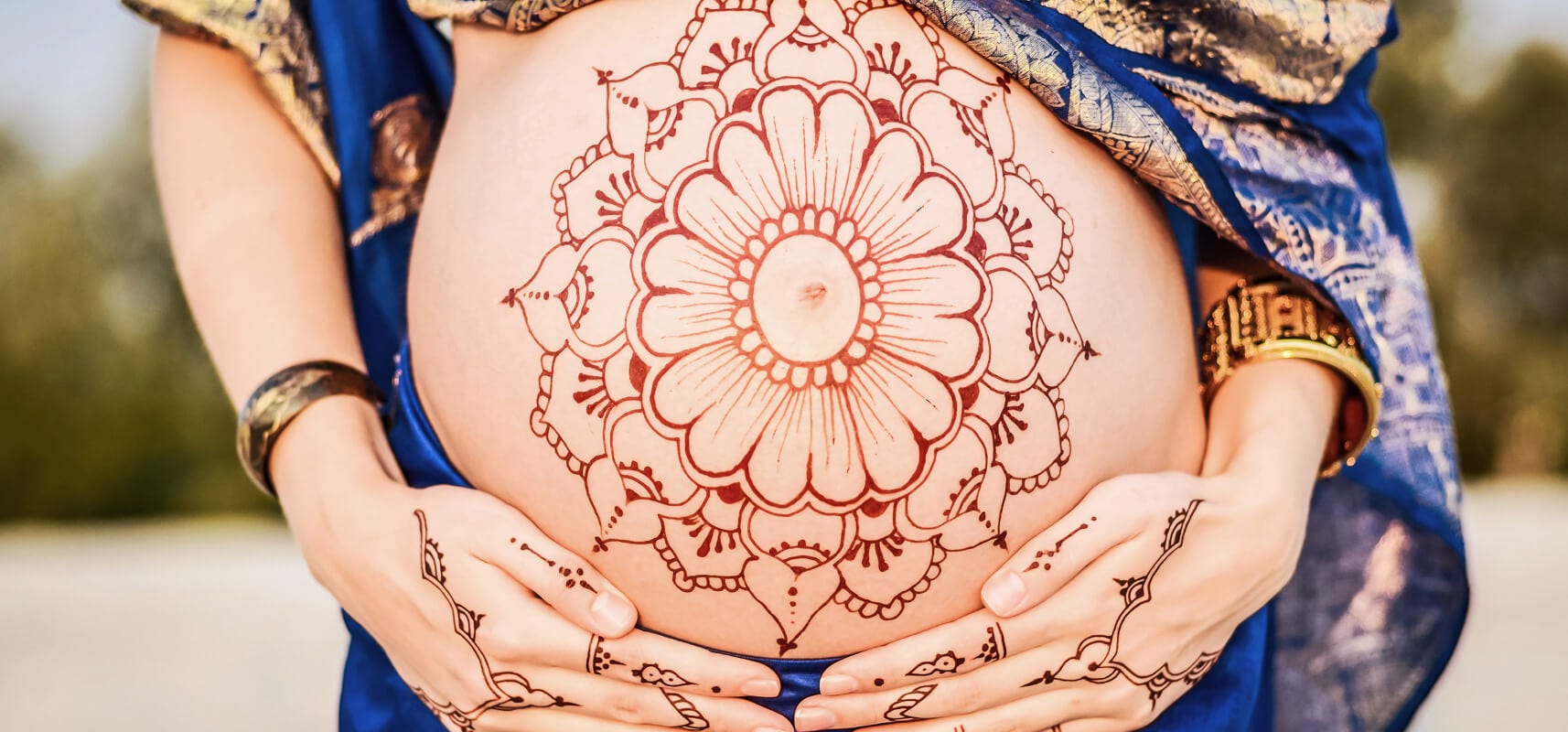
Henna is a plant-based dye that stains the skin a brownish-orange color, and designs can last up to about four weeks. These henna skin dyes have been used for centuries in cultural traditions around the world, including pregnancy rituals and belly art. Because it sits on the surface of the skin and does not involve the same tattooing process as permanent ink, many people consider henna a safe option for pregnant mamas.
If henna is something you’re considering, there are a few important safety points to keep in mind:
-
Make sure it is natural, pure henna only—real henna is never black.
-
Avoid “black henna,” which is not true henna and may contain paraphenylenediamine (PPD), a chemical linked to skin burns, blistering, and allergic reactions. This is not considered safe for pregnancy (or for the general population).
-
While uncommon, henna allergies can still happen with natural henna, so it’s a good idea to check in with your healthcare provider if you’ve never used it before or have sensitive skin.
Even though reactions are rare, pregnancy can sometimes make skin more reactive, which is why a little extra caution is always worthwhile.
Are Jagua Tattoos Safe During Pregnancy?
Jagua is a plant-based dye derived from a fruit native to South America. “Hengua” typically refers to mixtures of henna and jagua. Jagua creates a darker blue-black stain, which can look more similar to a permanent tattoo—which is why it can be appealing.
However, jagua is less well-studied in the medical literature, especially during pregnancy. It can also be difficult to distinguish reputable jagua products from unsafe “black henna” mixtures. Some people may experience skin reactions, including irritation or longer-lasting pigmentation changes after use.
Because of the limited research and higher uncertainty, many healthcare providers recommend avoiding jagua during pregnancy as a precaution.
Decal or Press-On Tattoos
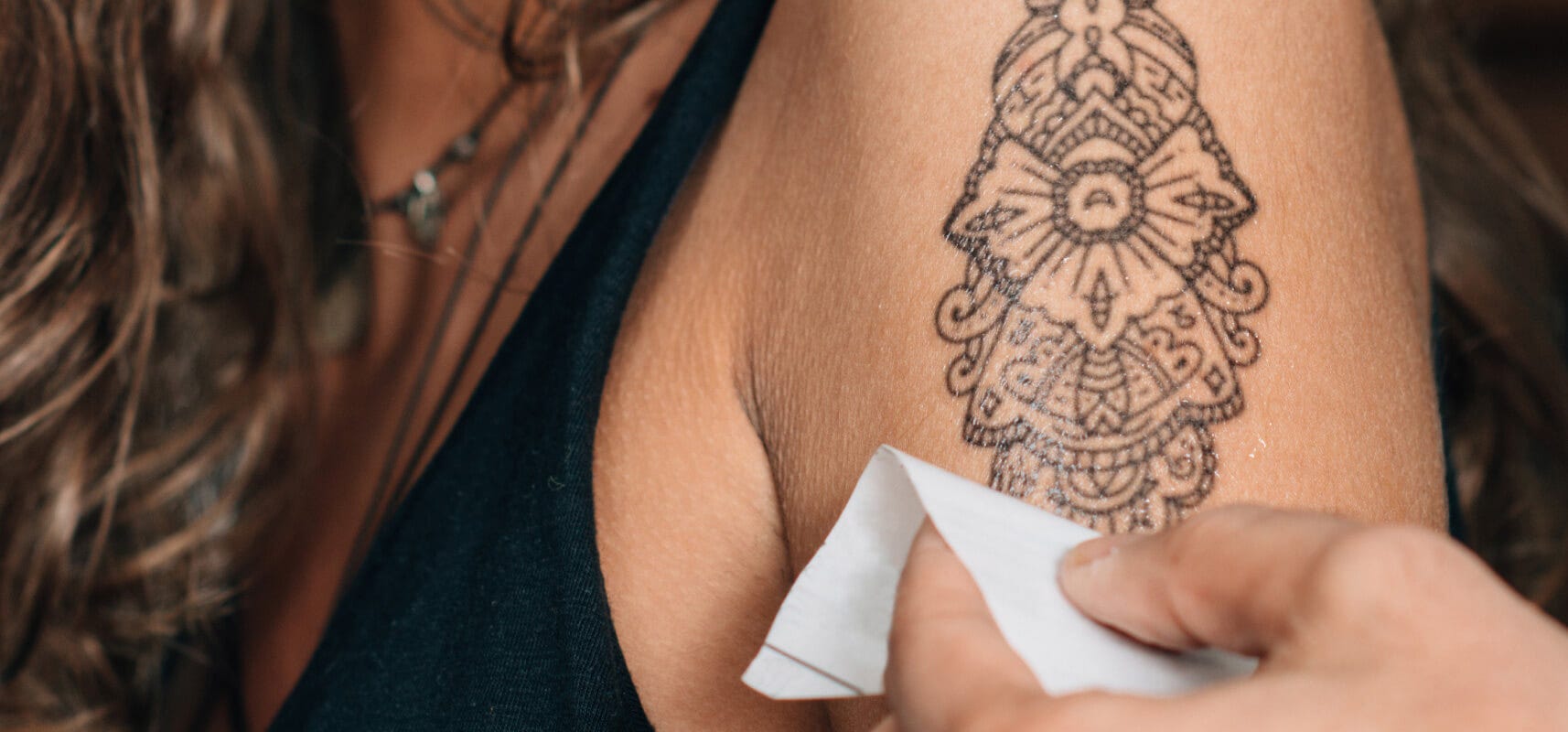
Temporary water-transfer tattoos are another simple, pregnancy-friendly option. They sit on the surface of the skin and do not penetrate it, and reputable brands typically use cosmetic-grade, non-toxic ingredients and approved color additives.
They can be a fun, low-commitment way to enjoy body art during pregnancy without any healing time or aftercare concerns. They may be the right option for moms-to-be who still want the look of body art while avoiding the tattooing process altogether.
Planning a Tattoo After Pregnancy
If temporary tattoos aren’t really your thing, pregnancy can actually be a great time to slow down and thoughtfully plan for the tattoo you do want later. Instead of rushing the decision, you can use this season to prepare for a well-designed and meaningful tattoo.
-
Research tattoo artists and styles that align with your vision
-
Create a meaningful design—some even choose to incorporate elements of pregnancy, birth, or motherhood
-
Save and budget so you can invest in a higher-quality piece
-
Think about placement and how it may be affected by future body changes or pregnancies
-
Consider timing so you can schedule your appointment when you’re fully ready for the healing process
This kind of intentional planning often leads to a more meaningful experience overall, and a tattoo you’ll feel truly connected to for years to come.
When Can You Get a Tattoo After Pregnancy?
When you’re ready to move forward postpartum, a little patience goes a long way in supporting a smoother experience and better healing.
A few general guidelines many professionals suggest include:
-
Waiting until your body feels physically recovered after pregnancy and birth
-
Allowing time for skin changes and postpartum adjustments to settle
-
If you had a cesarean section, making sure the scar is fully healed before tattooing near the area
-
Choosing a time when you feel rested enough to care for a new tattoo properly during healing
-
Giving yourself space to adjust to postpartum life before adding something new that requires care and attention
Many professionals suggested waiting at least 9–12 months after birth, when your baby is no longer dependent on breast milk alone, before getting a tattoo. This allows time for postpartum recovery, stabilizing hormonal shifts, and a more comfortable healing experience.
Your patience during this season can help ensure a safer, more comfortable tattoo experience and better long-term results once you’re ready.
Prioritizing Your Health and Your Baby’s Safety

While we completely understand the desire to express yourself through body art during this special time, it's important to remember that postponing a tattoo isn’t a “no forever”—it’s simply a “not right now.” Pregnancy is already asking so much of your body, and giving yourself permission to wait can be an act of care for both you and your baby.
Your tattoo idea, your inspiration, and your story will still be there when the timing feels right. If you're excited about getting a new tattoo, use this time to scout out a highly rated tattoo parlor, perfect your design, and plan for a safer and more comfortable experience once your body has had time to recover after pregnancy.
And if you have questions about tattoos, breastfeeding, postpartum healing, or anything else along your pregnancy journey, don’t hesitate to reach out to your trusted healthcare provider or lactation consultant. Our specialists are here for you through pregnancy and beyond. You can call us at 844-867-9890 or contact us anytime.