Postpartum Nutrition: What Your Body Needs for Healing, Hormones, and Milk Production
-
 By
Theresa Moutafis
By
Theresa Moutafis
- Jun 29, 2026

The early postpartum period—often called the fourth trimester—is a time of major transition. While you’re getting to know your baby and settling into a new rhythm, your body is also doing significant work behind-the-scenes.
You’re healing from pregnancy and birth. Your hormones are shifting quickly. If you’re breastfeeding, your body is producing milk day and night. And if your energy, appetite, and routine feel unpredictable right now, that's completely normal.
The good news? You don’t need a perfect plan to support your body. With a few simple, consistent habits, you can give it what it needs to heal, feel more balanced, and support your postpartum recovery in a realistic, sustainable way.
As a Registered Dietitian and International Board Certified Lactation Consultant, my focus has always been on providing practical, realistic guidance that meets mothers where they are—because postpartum nutrition and recovery don’t happen under perfect conditions, and support should reflect that.
IN THIS ARTICLE:
Why Postpartum Nutrition Matters
Supporting Your Body’s Physical Healing
Supporting Hormones & Mood Through Nutrition
Supporting Recovery Beyond Nutrition
Nutrition and Milk Supply: What Actually Helps
When Eating Well Feels Hard in the Postpartum Period
Easy Postpartum Meal Ideas for Busy New Moms
Simple Strategies to Make Postpartum Nutrition More Doable
What About Postnatal Vitamins?
Why Postpartum Nutrition Matters
After birth, your body is balancing several important processes at once. Understanding what’s happening can help make sense of why postpartum nutrition plays such a key role in how you feel day to day.
Physical Healing and Recovery
Your body is actively repairing tissue—whether from vaginal delivery or a cesarean birth—while restoring blood volume and reducing inflammation. Balanced, nutrient-dense meals and snacks support that process and help recovery feel steadier.
Hormonal Shifts
After delivery, estrogen and progesterone levels drop quickly, while hormones involved in milk production rise. These shifts can affect your mood, appetite, and mental clarity. Postpartum brain fog, hot flashes, and emotional sensitivity are very common—and for most women, they begin to improve in the first few weeks as hormones stabilize.
Increased Energy Needs
If you’re breastfeeding, your body requires additional calories to support milk production. Many women notice increased hunger, though appetite can sometimes feel inconsistent depending on sleep, recovery, and overall energy levels.
Supporting Your Body’s Physical Healing
There’s no need to overhaul your diet—just focus on a few key nutrients that help support your recovery and healing over time.
Protein
Protein supports tissue repair and helps you maintain strength in the postpartum period. Including a source of protein with meals and snacks can help support healing and recovery over time. Foods like eggs, yogurt, chicken, beans, and nut butter can help support your protein intake throughout the day.
Iron
Iron helps replenish what was lost during birth and supports healthy energy levels. Low iron can show up as fatigue, dizziness, or difficulty concentrating. Red meat, lentils, spinach, and fortified cereals are all helpful sources of this vital nutrient.
Hydration
Staying hydrated can make a noticeable difference in how you feel. Fluids support circulation, digestion, and milk production. Keep a water bottle nearby and sip throughout the day—especially during feedings. Pale yellow urine is a reliable sign you're well hydrated.
Supporting Hormones & Mood Through Nutrition
If things feel a little off emotionally or mentally, you’re not imagining it. Between hormonal shifts and sleep disruption, your body is adjusting in big ways.
Healthy Fats
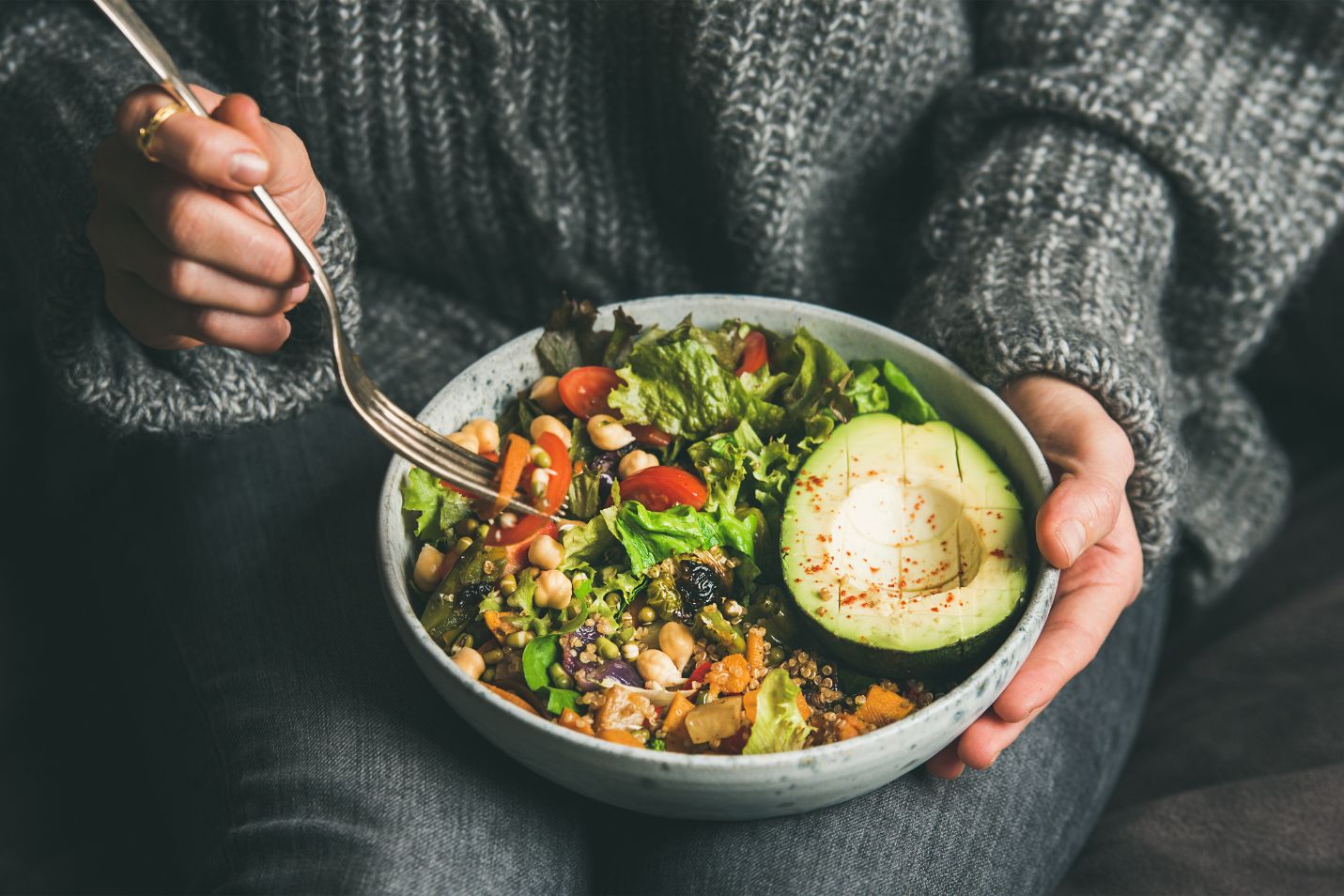
Fats—especially omega-3 fatty acids—support brain function and mood stability during this transition. Foods like salmon, chia seeds, flaxseed, and walnuts are simple ways to include them in your diet.
Carbohydrates
Carbohydrates provide steady energy and help stabilize blood sugar levels. Skipping meals or under-eating carbs can worsen postpartum fatigue and irritability. Oats, whole grain bread, brown rice, and sweet potatoes help keep energy more consistent throughout the day.
Magnesium
Magnesium supports muscle relaxation and nervous system regulation, which is especially helpful when your body is under both increased physical and emotional demand. You can find it in foods like leafy greens, nuts, seeds, and even dark chocolate.
Supporting Recovery Beyond Nutrition
Nutrition provides the foundation for healing, other forms of support matter too. Gentle movement, rest, and pelvic floor recovery all play a role in helping your body heal and regain strength over time.
In the early postpartum weeks, regular naps, short walks outside, and accepting help with meals and household tasks can support both physical recovery and mental health. Some women also benefit from pelvic floor physical therapy to help improve comfort, coordination, and core support after pregnancy and birth.

Nutrition and Milk Supply: What Actually Helps
Many mothers wonder if certain foods will increase milk supply—especially with so much information circulating online. Here's what the evidence actually supports.
The Foundation Comes First
Milk production is primarily driven by three things: frequent and effective milk removal, adequate calories, and consistent hydration. These factors have the greatest impact on establishing and maintaining supply.
Calories Needed for Breastfeeding
Breastfeeding increases your energy needs, and it’s common to feel hungrier than usual. Listening to your hunger cues and eating regularly throughout the day supports both your energy and your milk supply.
Galactagogues: Do They Work?
Foods and supplements marketed as lactation “superfoods” (called galactagogues) are popular—but the research on their effectiveness in increasing milk supply is mixed. Because herbal and dietary supplements aren’t regulated in the same way as medications, product quality and potency vary, which means results aren’t always consistent.
Some mothers notice a difference. Many don’t. In most cases, feeding frequency, effective milk removal, adequate calories, and hydration has a greater impact than any specific products.
If you’re concerned about your milk supply—or unsure about whether a supplement is right for you—a lactation consultant can help you look at the bigger picture and identify what may actually support your individual situation.
Do You Need to Avoid Certain Foods?
Most babies tolerate a wide variety of foods in their mother’s diet. If you notice consistent symptoms—ongoing fussiness, skin reactions or rashes, or blood in stool—check with your baby’s healthcare provider or a lactation consultant before making significant dietary changes or eliminating entire food groups.
When Eating Well Feels Hard in the Postpartum Period
Even with the best intentions, meeting your postpartum nutrition needs can feel challenging in real life. You might be running on very little sleep, feeding your baby around the clock, feeling very hungry — or not hungry at all — and adjusting to a completely new routine with limited support.
If this sounds familiar, you’re not doing anything wrong.
Instead of aiming for perfect meals, it can help to focus on small, realistic ways to stay nourished throughout the day.
Easy Postpartum Meal Ideas for Busy New Moms
When energy is low, simple is best. These meals include a mix of protein, carbohydrates, and healthy fats—without requiring much prep, cleanup, or decision-making.
Quick, balanced meal ideas:
-
Plain greek yogurt + granola + fruit
-
Eggs + whole-grain toast + avocado
-
Rotisserie chicken + microwave brown rice + veggies
-
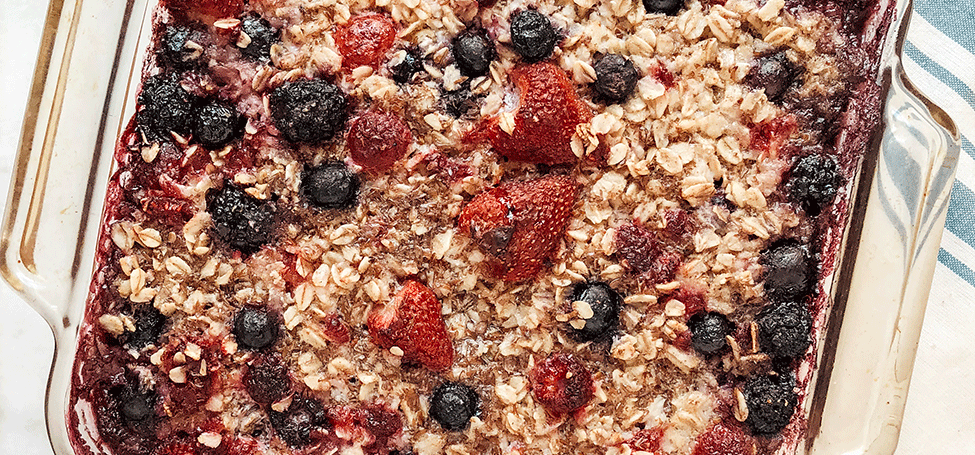
Oatmeal with nut butter and berries
-
Sandwich with turkey, cheese, and fruit
Easy Snacks for Breastfeeding Moms
Having simple, one-handed snacks within reach can make it easier to stay fueled during feedings.
Some quick options include:
-
Protein bars
-
Trail mix or nuts
-
Hard-boiled eggs
-
Hummus with veggies
-
Apple slices with peanut butter
-
Cheese sticks with whole-grain crackers
Think of these as “bridge foods” between meals—not something extra you have to plan—they just need to be accessible.
Simple Strategies to Make Postpartum Nutrition More Doable
Small, flexible habits can go a long way. Even using just one or two of them consistently can make a real difference.
Keep Meals Simple
Include protein, carbohydrates, and healthy fats when you can, but don’t worry about making every meal “perfect.” Some days, simple is exactly what your body needs and all you have time for.
Keep Food Visible
Out of sight often means out of mind in the postpartum period. Keep snacks where you spend most of your time.
Pair Eating with Feeding
Try to eat and drink something each time you feed your baby. It doesn’t have to be a full meal—just a snack or a few bites can keep your energy steady throughout the day.
Use Convenient Options
Pre-cut produce, meal kits, rotisserie chicken, and frozen meals are not shortcuts—they're what makes nourishment possible during this season.
Double What You Make
If you’re already cooking, make extra. On low-energy days, having something already made can take the pressure off figuring out what to eat at the moment.
What About Postnatal Vitamins?
A postnatal vitamin can help fill nutritional gaps, especially on days when meals feel less consistent or may be lacking in certain nutrients. However, it’s important to remember: vitamins are meant to support your nutrition—not replace it. Food remains the foundation for energy, recovery, and postpartum wellness.
Tips and Tricks to Keep Up with Hydration
Your body needs more fluids postpartum—especially if you’re breastfeeding. Even mild dehydration can look a lot like common postpartum symptoms: fatigue, headaches, irritability, and even increased hunger. This is part of why staying on top of hydration can make such a noticeable difference in how you feel day to day.
Signs You’re Likely Well Hydrated
While there’s no need to obsess over exact amounts, your body does give helpful cues. You may be well hydrated if you notice:
-
Light yellow or pale urine
-
Regular thirst cues (without feeling overly thirsty or “behind”)
-
Steadier energy throughout the day
-
Fewer headaches or “afternoon crashes”
Simple Ways to Stay Hydrated
In the postpartum period, hydration works best when it’s simple and automatic.
-
Keep a water bottle in every place you regularly feed your baby
-
Take a few sips every time you sit (or lay down) down for a feeding
-
Pair hydration with snacks so both needs are met together
If plain water feels hard to keep up with, that's okay. Soups, broths, herbal teas, and water-rich foods like fruits and vegetables all count. Some women also find it helpful to add electrolytes occasionally, but these are not necessary for normal daily hydration.
A Gentle Reminder
Postpartum nutrition isn’t something you have to figure out all at once, and it’s not a short-term project. It unfolds gradually over months—and for many women, even years—as your body continues to recover, adjust, and find its new rhythm.
There’s no perfect starting point and no “too late” moment. Whether you’re in the early newborn days or further along in your postpartum journey, small, supportive choices still matter and can be incorporated whenever you’re ready.
Some days that looks like balanced meals and plenty of hydration. Other days it looks like eating something nourishing when you can and giving yourself permission to rest. Both are enough.
Small, steady choices— eating when you can, staying hydrated, keeping simple foods on hand— make a meaningful difference over time. And even when it doesn't feel like much, it still counts.
You’re Not Alone in This
If you need additional support, Aeroflow Breastpumps offers lactation consultants and registered dietitians who can help you find an approach that fits your recovery, your routine, and your goals. We also invite you to join us for one of our breastfeeding, nutrition, or parenting classes—or schedule a one-on-one appointment for more personalized support.
Your body has been through a lot, and it’s continuing to do important work every day. With time, support, and gentle care, things will begin to feel more manageable. Not all at once—but gradually, over time. And you don't have to figure it out alone.