A Guide to Nursing Bras or Tanks
- By Aeroflow Breastpumps
- Dec 11, 2025
Key Takeaways:
-
Nursing bras come in different styles. Having 3-4 nursing bras can help ensure you always have a clean one on hand
-
Look for adjustable straps, easy-to-use clips, and breathable fabric for maximum comfort
-
Avoid rigid underwire and anything too tight that could affect milk supply
-
While nursing bras are not covered by insurance, breast pumps and lactation support often are. In addition, breast pumps and supplies that assist lactation (including pumping bras!) are considered medical expenses and are reimbursable under FSA/HSA accounts
In the newborn days you might be breastfeeding 8-12 times a day. Having the right nursing bra or tank can make a huge difference when it comes to your comfort, confidence, and convenience.
Nursing bras and tanks are specifically designed to support your changing body, provide easy nursing access, and keep you comfortable during those first few weeks and beyond. In this guide, we'll walk you through everything you need to know about choosing the right nursing bra or tank for your body and lifestyle.
What Are Nursing Bras and Tanks, and Why Do You Need Them?
Nursing bras and tanks are designed with quick and easy access to the breast, allowing you to feed your baby with ease. They come in a few main styles:
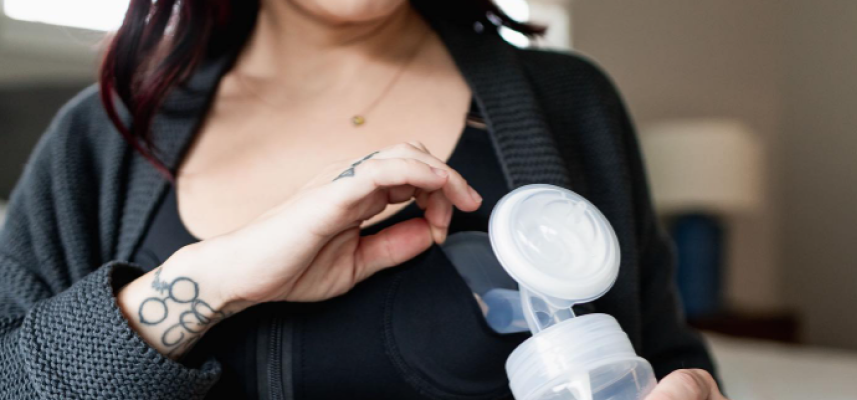
Nursing bras with drop-down cups have a clasp feature that lets you unhook the fabric covering your breast. The fabric can then be pulled down, providing easy access for breastfeeding. When you're feeding 8-12 times a day, that one-handed convenience becomes essential.
Nursing bras with deep V's are usually made of stretchy material that allows you to pull the fabric to the side for easy breastfeeding.
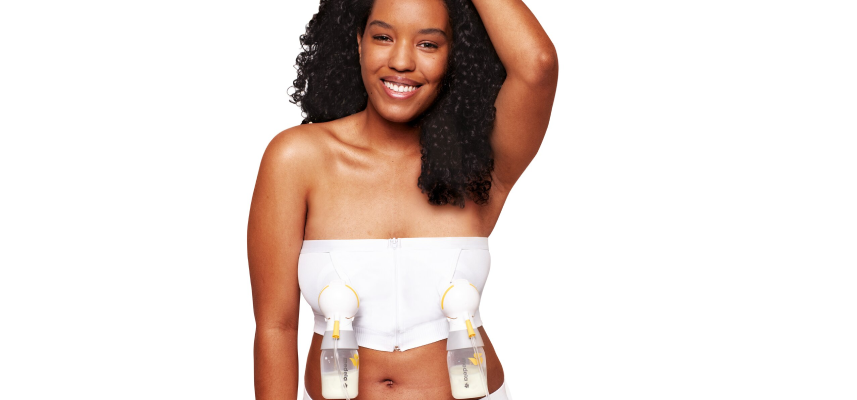
Hands-free pumping bras do exactly what they say and hold your wearable breast pump cups or flanges in place so that you have more flexibility to move around! These bras are ideal for pumping on the go and give you the freedom to pump while multitasking.
Nursing tanks function like your regular tank tops and camisoles but with drop-down straps. They can be worn on their own or layered under sweaters, tops, and jackets and can often accommodate wearable breast pumps. Many moms find that nursing tanks provide coverage of the torso, which can make them feel more confident breastfeeding in public or around family and friends.
Beyond providing easy access, these bras and tanks accommodate the significant changes your breasts go through. During pregnancy and breastfeeding, your breast size can fluctuate dramatically, sometimes even changing between morning and evening. Most nursing bras have stretchy material, adjustable bands, and flexible support to handle these changes.
The soft material and breathable fabric of nursing bras and tanks help with sensitive breasts and nipples during the postpartum period.
Choosing the Right Style
When shopping for nursing bras and tanks, consider what you'll need for different activities and times of day.
-
Nursing sleep bras: Ultra-soft with light support for nighttime, perfect for holding nursing pads
-
Everyday nursing bras: Supportive bras should also be comfortable enough for all-day wear with easy-to-use clips
-
Nursing sports bras: Provide decent support for exercise while allowing easy access to your breasts. Like a regular sports bra, look for options that align with your activity level
-
Nursing tanks: Nursing moms like these for the coverage and ability to be worn alone or layered, perfect for breastfeeding discreetly
-
Hands-free pumping bras: Essential if you pump regularly, especially with wearable breast pumps
How to Pick the Best Nursing Bra for You
Choosing the best nursing bra can feel overwhelming, especially when considering all the options available. Focusing on these key features will help:
Prioritize Comfort and Fit. The ideal nursing bra is supportive but comfortable and not too tight. A bra that's too tight can compress breast tissue and potentially affect your milk supply. Look for adjustable straps, stretchy material, a supportive band that doesn't dig in, and breathable fabric like cotton. The band should fit snugly on the loosest hook setting, with room to adjust as your body changes.
Many nursing bras have sizing charts specific to their products, and sizing can be inconsistent from brand to brand, so review these charts carefully before purchasing. You may need to reassess your bra size as time goes on, especially around the time your milk supply regulates.
Consider Your Body Shape. If you have large breasts, look for extra supportive bands, wider straps, multiple hook-and-eye closures, and underwire bras made for nursing. If you're smaller-chested, wireless bras with light support and removable padding work well.
Additional Items to Consider
-
Pumping ability: Some nursing bras can double as a pumping bra by holding flanges in place, allowing you to pump hands-free. If you have a wearable pump such as a Willow or Momcozy, make sure the bra can accommodate these pumps while still being supportive.
-
Price point: There are bras available at many different price points. It's worth it to shop around and find what works best for you! Splurging on a nice nursing bra can enhance your breastfeeding experience, but it's also okay to opt for a more budget-friendly option.
-
Clips and fabric: Look for easy-to-use clips you can operate one-handed while holding your baby. And choose machine-washable fabrics that are soft on sensitive nipples. You won't have time for complicated care instructions in the fourth trimester.
-
Between sizes: Bras shouldn't leave deep marks or feel restrictive. If you're between sizes, size up! You can always adjust as needed.
What Is the "3 Bra Rule" and How Many Should You Actually Own?
Not exclusive to nursing bras, the "3 bra rule" is a recommendation for the number of bras you should always have on hand: one to wear, one in the wash, and one in a drawer. For breastfeeding and pumping moms, this is just another way to ensure you always have a clean one available.
Leaks happen, spit-up is inevitable, and sometimes you just can't get around to doing laundry. You don't need exactly three nursing bras, but having multiple bras means you’ll always have an extra on hand.
When building your nursing bra wardrobe, consider these different styles:
-
1-2 everyday nursing bras with easy-to-use clips for daytime wear
-
1-2 nursing sleep bras for nighttime comfort and easy night feeds
-
1 nursing sports bra for exercise or active days
-
1-3 nursing tanks that can seamlessly fit in with the rest of your wardrobe
Mom shopping tip: Keep in mind your breasts will likely change throughout pregnancy, the early postpartum period, and when your milk supply regulates around 6-12 weeks. Since this impacts cup size, some moms buy one or two bras before birth, then purchase other nursing bras once their size stabilizes. If you're purchasing a nursing bra during pregnancy, it's recommended to purchase one size larger than your size in pregnancy to accommodate changes after birth.

Popular Pumping Bra Options
If you're planning to pump regularly, having a dedicated pumping bra can be a game-changer for multitasking during pumping sessions:
Motif Hands-Free Pumping Bra
A favorite with moms, the Motif Hands-Free Pumping Bra is comfortable to wear and gives you the freedom to move around while pumping. The straps are easy to adjust, and the front zipper makes one-handed pumping a breeze.
Medela Easy Expression Hands-Free Pumping Bustier
The Easy Expression Bustier from Medela is ideal for nursing mothers on the go. The comfortable bustier is easy to wash and made from 93% cotton. With its soft, stretchy fabric, this bra is a convenient choice for moms who need to pump hands-free.
Is a Nursing Bra Covered by Insurance?
While nursing bras are not covered by insurance, breast pumps and supplies that assist lactation (including pumping bras!) are considered medical expenses and are reimbursable under FSA/HSA accounts.
Breast pumping items that are often covered by insurance and are considered medically necessary for milk expression include breast pumps, replacement parts, milk storage bags, lactation consultant appointments, and educational classes.
At Aeroflow Breastpumps, we help moms navigate insurance coverage for breast pumps and supplies. Fill out the Qualify Through Insurance form on our website, and we'll verify your coverage, help you choose from the best breast pumps available, and get everything delivered to your door. We also have a selection of pumping bras and accessories available for purchase!
Is a Nursing Bra Covered by Insurance?
While nursing bras are not covered by insurance, breast pumps and supplies that assist lactation (including pumping bras!) are considered medical expenses and are reimbursable under FSA/HSA accounts.
Breast pumping items that are often covered by insurance and are considered medically necessary for milk expression include breast pumps, replacement parts, milk storage bags, lactation consultant appointments, and educational classes.
At Aeroflow Breastpumps, we help moms navigate insurance coverage for breast pumps and supplies. Fill out the Qualify Through Insurance form on our website, and we'll verify your coverage, help you choose from the best breast pumps available, and get everything delivered to your door. We also have a selection of pumping bras and accessories available for purchase!
Finding What Works for You
What works for one mom might not work for you. Your breast size, body shape, sensitivity level, and lifestyle all play a role in which nursing bra or tank will feel best. Don't be discouraged if the first nursing bra you try isn't perfect. You deserve to find the best nursing bras that work for you!
The goal is finding the most supportive bra that feels comfortable, makes feedings easier, and helps you feel good throughout your breastfeeding journey. Use nursing pads to manage leaks, adjust straps and bands as your body changes, and don't skip a comfortable sleep bra for nighttime feeds.
Reach out to our team today if you have additional questions about breastfeeding, pumping, or the fourth trimester. We're here to help!