Breast Pump Recycling
- By Aeroflow Breastpumps
- Dec 2, 2025
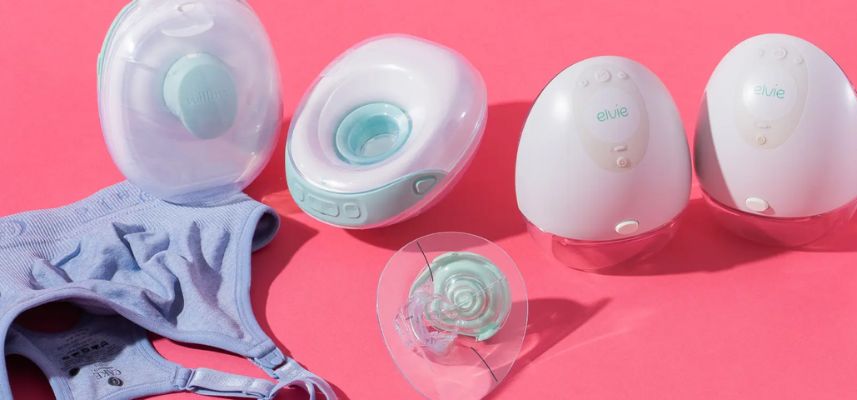
Key Takeaways:
-
Most personal breast pumps are single-user devices and shouldn't be shared, sold, or donated due to contamination risks
-
Electronic components of breast pumps require special recycling. Check with manufacturers or local e-waste facilities for breast pump recycling programs
-
Some plastic pump parts can go in your home recycling bin, but silicone parts need to be thrown out
-
Consider keeping your current pump as a backup if you're upgrading or trying a different model
Your pumping journey is coming to an end, or maybe you're ready to try a different pump model. Either way, you might be staring at your old pump wondering: what now? Can you pass it along to your pregnant friend? Sell it in that local mom group? Donate it to help another family?
We understand it feels wasteful to throw out an old pump when it still works. Plus, your pump helped you feed your baby through late nights and early mornings, and it can be hard to let it go. But there are several good reasons to think twice before tossing your pump or giving it away.
In this guide, we'll talk about what you can (and can't) safely do with your old breast pump.
The Truth About Sharing Used Breast Pumps
If you're thinking about helping another mom out by donating or selling your old pump at a reduced rate, your heart is in the right place. However, personal breast pumps are considered single-user devices by the FDA. It's not recommended to share personal breast pumps even if you clean every part until it shines, have a closed-system pump, or want to give it to your sister or best friend.
We know this might be disappointing, especially when you see pumps being sold in online marketplaces all the time. But your old breast pump can harbor bacteria and mold in places you can't see or clean, like inside the motor or in tiny crevices. Cracked nipples (which happen to many moms) can also leave traces of blood that create contamination risks. No amount of sanitizing at home can guarantee complete safety for the next user.
Multi-user pumps (sometimes referred to as hospital-grade pumps) are the exception. These pumps are specifically designed for multiple users and are typically kept in a hospital setting to minimize contamination risks. But the personal pump used at home is just meant for you.
Mom shopping tip: When looking for a new pump, you might see the terms "hospital-grade" or "hospital-strength" used to describe the pump. It's important to note these are marketing terms that mostly pertain to the pump's suction level, not its ability to replace a hospital rental pump or to be considered safe for multiple users.
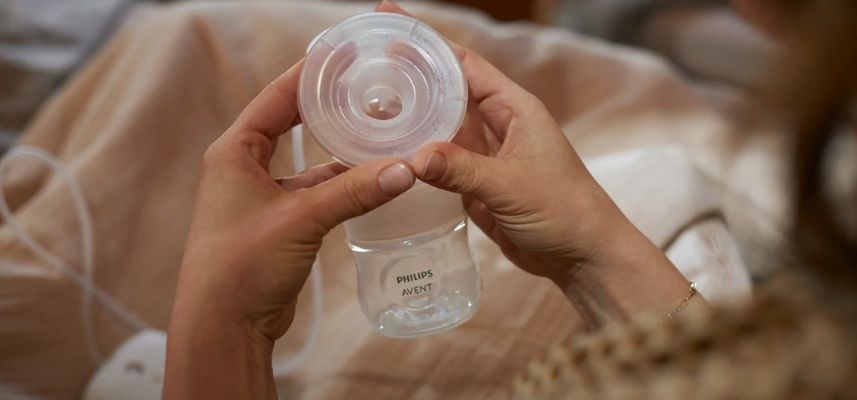
Smart Options for Your Old Breast Pump
Keep It as a Backup
If you're upgrading or trying a different model, keep your current pump as a backup! Technology fails, parts break, and having a spare pump can be a lifesaver when you're too tired to troubleshoot your new pump at 2 AM.
Recycle It Responsibly
Your breast pump contains electronic components and batteries that shouldn't go in your regular trash, but many breast pump parts can be recycled!
For the pump motor:
-
Check if your pump manufacturer has a take-back program or pump recycling program (some do!)
-
Find a local e-waste recycling center
-
Look for community recycling events focused on collecting electronic devices
-
Ask appliance stores if they accept small electronics
For pump parts:
-
Plastic flanges, bottles, and valves: Check for recycling symbols and toss them in your home recycling if your local center accepts those numbers
-
Silicone parts (like cushions and membranes): Unfortunately, these need to go in the regular trash
And be sure to give everything a good wash before recycling.
Can You Donate Used Breast Pumps?
We understand the urge to look into breast pump donation—it feels good to help! If you want to support other moms, consider these alternatives:
-
Donate a NEW, unopened pump to women's shelters or pregnancy resource centers
-
Share information about insurance coverage (most plans cover a new pump!)
-
Donate pumping supplies like unopened storage bags or nursing pads
-
Support organizations that provide new pumps to moms in need
If You're Looking to Get a New Personal Pump
If you're considering getting a used pump to save some money, your insurance can help! Most insurance plans are required to cover a new breast pump for each new pregnancy under the Affordable Care Act.
At Aeroflow Breastpumps, we help moms navigate insurance coverage every day. It takes a few minutes to check if you qualify for a free pump, accessories, classes, and other resources through your insurance. We also offer appointments with our lactation consultants to provide individualized support.

A Quick Note About All Those Online Listings
Searching "used breast pumps" will yield an endless amount of results about people selling or donating their used pumps, with many moms claiming it's okay as long as your old breast pump has a closed-system or you've made sure the pump has been cleaned thoroughly. Although all FDA-approved multiple-user pumps have a closed system, not all closed-system pumps are approved for use by more than one person.
A lot of people don't know about the contamination risks but now that you do, you can make informed choices for your family's safety. If friends offer you their used pump, thank them for their generosity and let them know you're checking what your insurance covers. Most people understand when you explain it's a safety issue and not about being picky or ungrateful.
"Moms often feel guilty about not passing along expensive baby items, but breast pumps are different from cribs or high chairs," explains our Aeroflow Breastpumps expert, Liz Truesdale. "Think of it like sharing a toothbrush; some things are just meant for one person. The good news is that with insurance coverage, most moms can get a brand new pump without the financial burden."
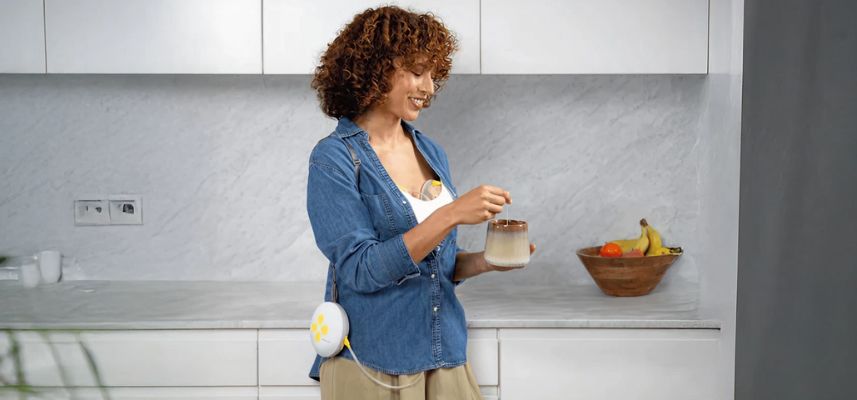
Making the Right Choice for Your Family
Your pumping journey is unique, and however it ends, you should feel proud of what you've accomplished. Now that you know how to safely handle your old pump, you can close this chapter without guilt or worry.
Remember:
-
Recycling your pump motor and plastic parts properly helps the environment
-
Keeping your old pump as a backup provides peace of mind and convenience
-
Getting a new pump through insurance keeps you and baby safe
-
Your intention to help others can be channeled into sharing resources and information
Whether you're just starting your pumping journey, switching pumps, or ready to say goodbye to pumping altogether, our team at Aeroflow Breastpumps is here to support you. We believe every drop counts, every journey matters, and every mom deserves safe, accessible feeding options for her baby.
Have questions about getting a new pump through insurance or need replacement parts for your current pump? Reach out today! We'd love to help you through this process.