Household Activities to Avoid During Pregnancy
- By Aeroflow Breastpumps
- Dec 22, 2025
Key Takeaways:
-
Avoid exposure to harsh cleaning chemicals, lead paint, pesticides, and used cat litter during pregnancy
-
Many everyday household chores are perfectly safe with simple modifications
-
Heavy lifting and prolonged standing can strain your changing body. Ask for help with these tasks
-
When in doubt about any activity, check with your healthcare provider
Pregnancy comes with its share of lifestyle adjustments, and you've probably already heard about avoiding certain foods and activities. But what about all the regular household work that needs to get done? Between cleaning, organizing, and preparing for your baby's arrival, it's perfectly normal to wonder what's actually safe and what you should skip.
The good news is that most basic household tasks are perfectly fine to continue during pregnancy! You just need to know which activities pose risks and how to modify others to keep you and your baby safe. Let's walk through what to avoid, what requires extra caution, and when to ask for help.
What Activities Are Not Safe During Pregnancy?
The activities you should avoid during pregnancy generally fall into a few categories:
-
Those involving exposure to harmful chemicals or substances
-
Tasks requiring heavy lifting or awkward positioning that could strain your body
-
Activities that increase your risk of falls or injury as your center of gravity shifts
Understanding which household activities to avoid and where to make adjustments helps you stay safe while still maintaining your home and a healthy pregnancy.
Activities to Avoid While Pregnant
Don't feel guilty about asking for help! Protecting yourself and your developing baby is the priority. Avoid or ask for help with these household activities:
Cleaning the Cat Litter Box
Cat litter can contain a parasite that causes an infection called toxoplasmosis, which could affect your developing baby. The risk drops with indoor-only cats, but it's still a good idea to ask your partner or another loved one to take over litter box duty for the next nine months. If you absolutely must handle cat litter yourself, wear disposable gloves and wash your hands thoroughly afterward. Daily cleaning helps reduce risk since transmission increases after several days.
Using Harsh Cleaning Chemicals
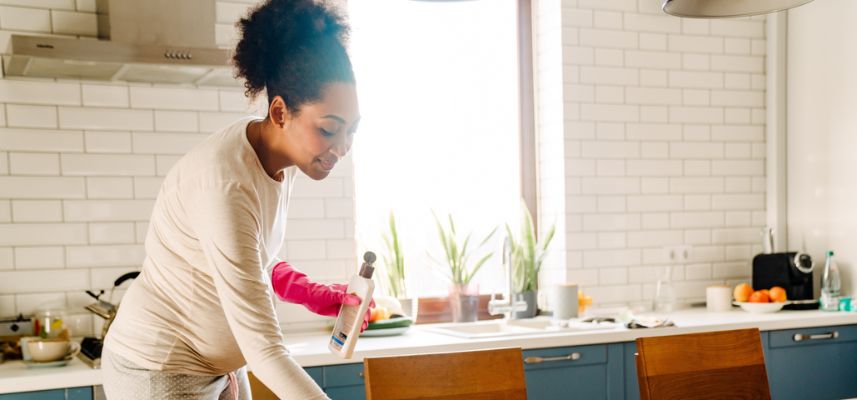
Many cleaning products are considered safe to use while pregnant, but it may be safer to avoid certain products. Limit exposure to glycol ethers (oven cleaner), phthalates (fragrances and air fresheners), chlorine, and ammonia (spray and aerosol cleaners).
Look for certified green products or DIY with some natural cleaning products by using vinegar, baking soda, or lemon. In general, it's a good idea to wear gloves and a mask when cleaning and make sure the room is well-ventilated.
Working with Lead Paint
If your home was built before 1978, lead may be present in the paint, pipes, and other areas. Lead is highly toxic to unborn babies and can cause serious developmental issues. Pregnant women and young children should avoid any home remodeling, paint removal, or wallpaper removal projects in older homes. Even seemingly harmless tasks like dry dusting can stir up lead dust particles.
If you do have an older home, dust and sweep with a wet cloth to contain lead dust particles more effectively. Never try to remove lead paint yourself, regardless of pregnancy status. Call the National Lead Information Center at 1-800-424-LEAD to learn about safe lead abatement in your home.
Pesticides and Toxic Substances
Skip the bug sprays, flea treatments, and pest control products during pregnancy. Working with these substances could impact your reproductive health and baby's development. If you have a pest problem, have someone else handle applications and stay away from treated areas for the recommended time. You can also look for pregnancy-safe alternatives for common household pests.
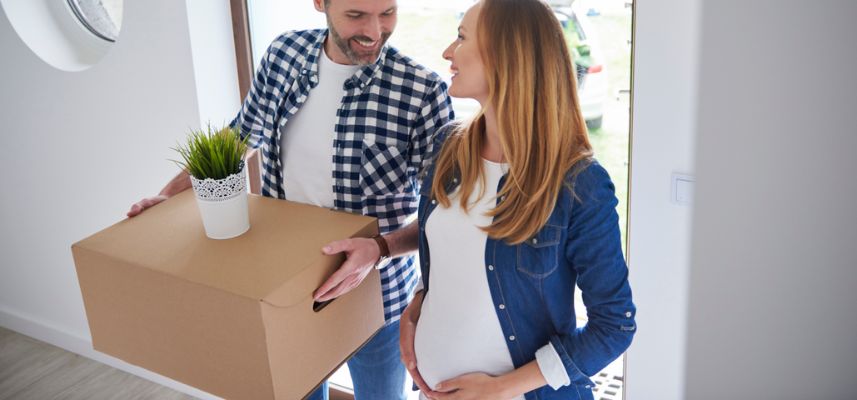
Climbing Ladders or Step Stools
There are hormonal, body, and physiologic changes that occur during pregnancy that shift the center of gravity and increase the risk of falling. The American College of Obstetricians and Gynecologists (ACOG) recommends accommodations to minimize fall or injury risk. So let someone else change those lightbulbs and grab items from high shelves. Use a reacher tool for everyday items, or simply ask for help. It's not worth the risk, and most people are happy to assist!
Make a Few Adjustments to These Activities
These household tasks aren't completely off-limits for pregnant people, but they do require modifications and awareness to keep you and your growing baby safe.
Painting Projects
Want to help prepare the nursery? You can! Just choose paints labeled "Low-VOC" or "water-based," keep windows open and fans running, and take frequent breaks for fresh air.
Heavy Lifting
As your pregnancy progresses and your body changes, you'll naturally want to be mindful about what you lift. Ask for help with heavy items like furniture, large laundry baskets, or grocery bags. When you do need to lift something, bend at your knees (not your waist), keep items close to your body, and avoid twisting. Your healthcare provider can give you specific guidance based on your pregnancy.
Prolonged Standing and Repetitive Bending
Pregnancy increases the risk of blood clots, and standing too long, especially during the third trimester, can contribute to low back discomfort and lower limb circulation issues like deep vein thrombosis. Repetitive strain from bending can also lead to back pain as your pregnancy progresses and your center of gravity shifts.
Stay healthy by taking frequent breaks when doing tasks that require standing or bending. Sit down when possible and wear compression socks to help with circulation during activities. Your insurance might even cover them!
Handling Certain Foods
You can still eat and cook a lot of your favorite foods while pregnant, but riskier food choices include undercooked or raw meat, seafood, eggs, or sprouts, unpasteurized dairy products or juices, unwashed produce, unheated hot dogs, deli meats and cold cuts, fermented or dry sausages, and high-mercury fish like shark, swordfish, king mackerel, or tilefish.
Keep your space clean and sanitized when handling these foods, and practice proper handwashing and proper food prep and storage techniques. Be sure to cook foods thoroughly and store them at the right temperature by keeping your refrigerator at 40° F and the freezer at 0° F. Avoid drinking alcohol since there is no amount of alcohol consumption that is considered safe for pregnant individuals.
Safer Activities You Can Still Do
Most daily household chores are safe to do while pregnant, including:
Cleaning: Regular dusting, wiping counters, and basic tidying are fine. Just use pregnancy-safe cleaning products and take breaks as needed.
Laundry: Washing and folding clothes is safe, though you might want help carrying heavy baskets and containers.
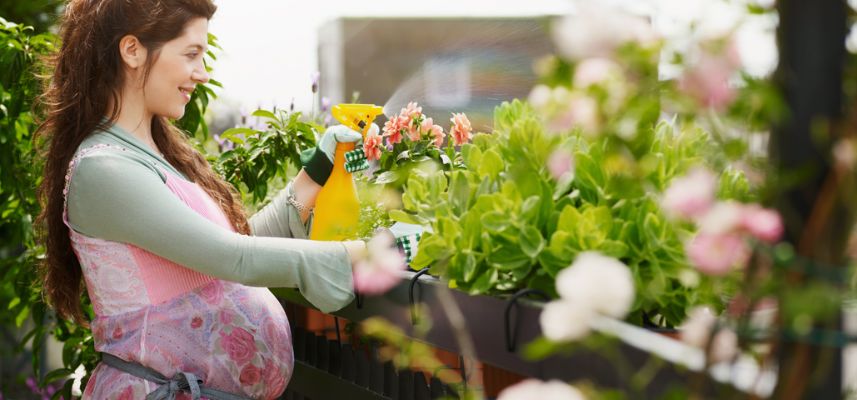
Yard work: Gentle gardening is okay if you wear gloves and avoid pesticides. Skip tasks that require prolonged bending or kneeling if they become uncomfortable, work when it's cooler out, and remember to wear SPF!
Organizing: The urge to nest while pregnant is real! Go ahead and organize those closets and precious baby items. Just don't overdo the physical activity. Take frequent breaks and ask for help with painting or moving anything heavy.

When to Ask for Help
Don't be afraid to delegate tasks or take breaks, especially when something is physically demanding. Pacing yourself is essential to keeping you and your baby healthy during pregnancy. Here are some situations where you should ask for help:
-
When a task involves chemicals, pesticides, or other harmful substances
-
When you need to lift heavy objects or move furniture
-
When you're feeling fatigued, dizzy, or unwell, especially in the first trimester when morning sickness symptoms typically peak
-
When a task requires climbing, awkward positioning, or prolonged standing
-
When your healthcare provider has put you on modified activity or bed rest
Staying Comfortable During Household Activities
Whether you're tackling a big project, prepping baby's nursery, or simply keeping up with housework, our team at Aeroflow Breastpumps is here to help! Our educational classes share information about proper hydration and nutrition during pregnancy to help make sure you're drinking plenty of water and maintaining energy levels with a balanced diet.
We also provide support items like compression socks and abdominal or lumbar support garments that can help keep you comfortable during household activities. Fill out our Qualify Through Insurance form to check your eligibility and see what pregnancy support items you qualify for!
And remember, asking for help with household activities isn't a burden. Your safety is the priority. Take care of yourself and your baby, and don't hesitate to reach out to your healthcare provider with any concerns.