Dr. Caitlyn Tivy is a doctor of physical therapy specializing in pelvic health for people of all ages and genders. She has completed advanced training in women’s health and the pre- and postpartum periods, and she writes extensively on pelvic and women’s health topics.
Whether it's lifting a stroller without back pain, returning to workout routines, or having symptom-free, fun sex again, there’s often a gap between expectation and reality. Our culture puts a lot of pressure on people to "bounce back" after having a baby. Fitness influencers and professional athletes make ultra-fast recovery look like the norm. But remember: recovery is literally their job. Many have entire teams dedicated to getting them back to their pre-baby baseline.
After birth, going to the bathroom can be scary. We are here to support you and help you prepare for what to expect. From pain and constipation to everything in between, here’s our guide to help you survive that first postpartum poop.
Many postpartum people struggle with pelvic floor complications, including prolapse symptoms, after delivery. If you’re postpartum and struggling with symptoms of prolapse or other pelvic floor disorders, know that you aren't alone. Postpartum pelvic floor problems are common, but this doesn’t mean they have to become your new normal. There are treatment options that can help you heal your pelvic floor and reduce those symptoms. Let’s explore the importance of pelvic floor health for people living with postpartum prolapse and discuss the strategies you can use to regain and maintain optimal pelvic floor function.
In most cases, you can safely run throughout your pregnancy. Running can also confer considerable health benefits to you and your baby. In this article, we’ll discuss the benefits of running while pregnant, and we’ll debunk some common myths on the topic. We’ll cover current recommendations for staying safe as a pregnant runner, including gear choices and injury prevention tactics.
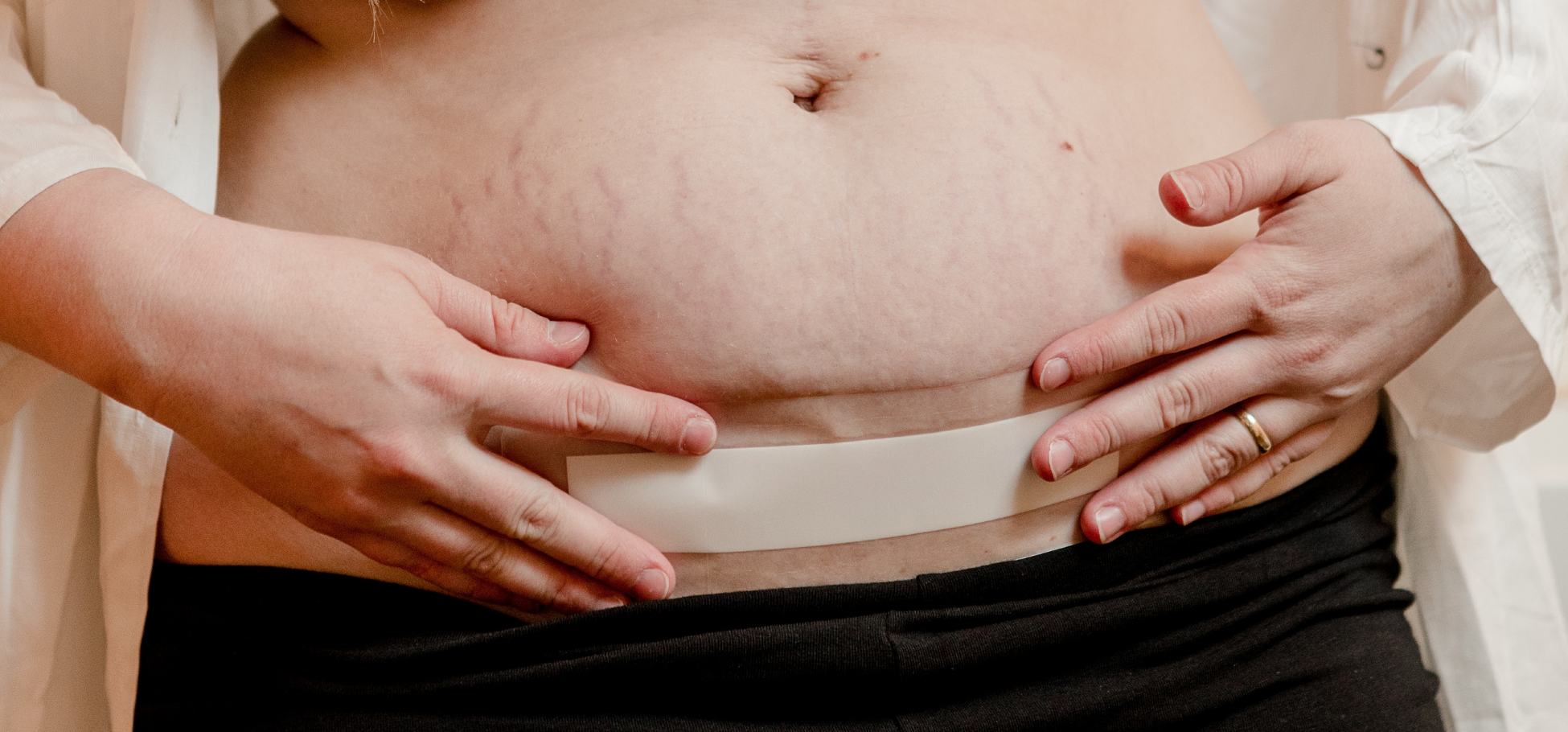
A c-section can be an amazing, essential, and even life-saving delivery option, and in many cases, they improve the safety and wellbeing of women and babies. With the right tools in your recovery kit, you can protect your incision site wound, encourage healing, and minimize your scar tissue with a simple bandage system as you navigate life with a newborn.